
Last updated November 16, 2026
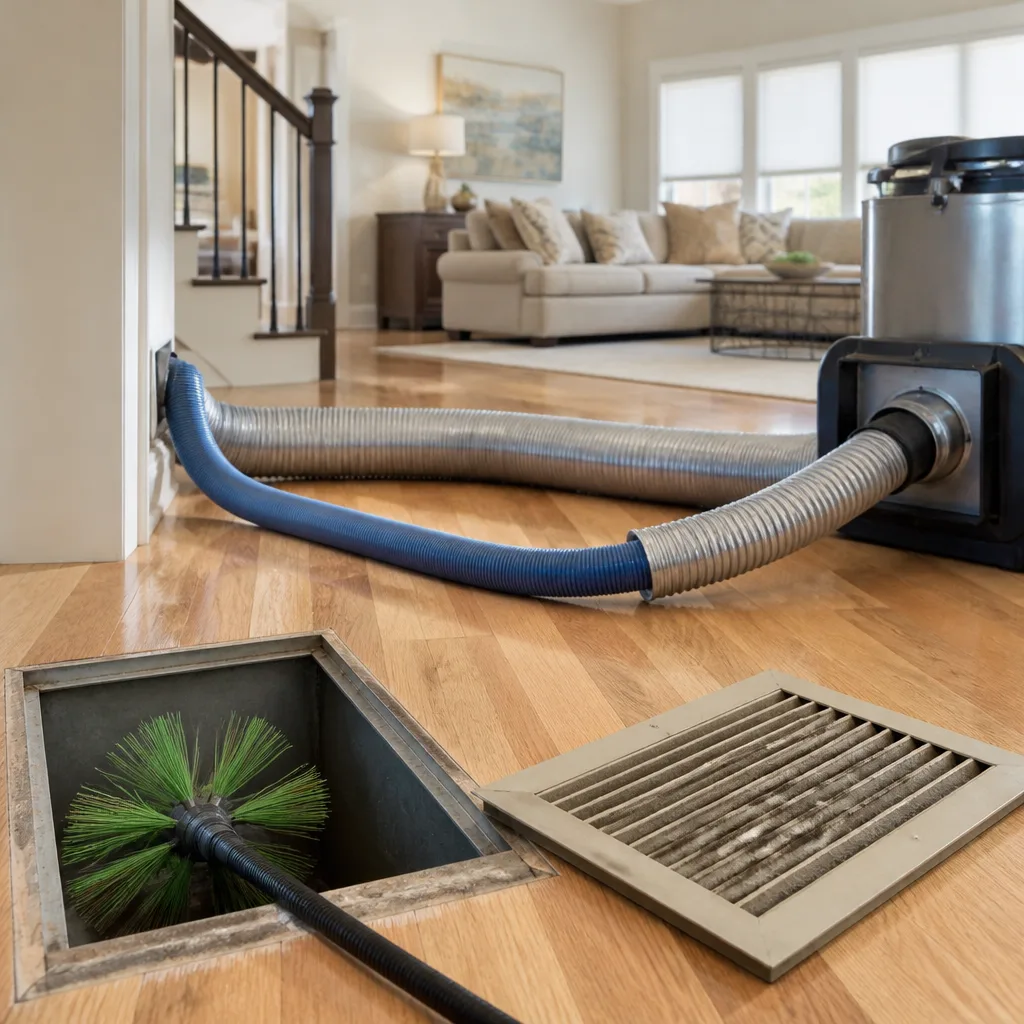 Whole-home duct cleaning
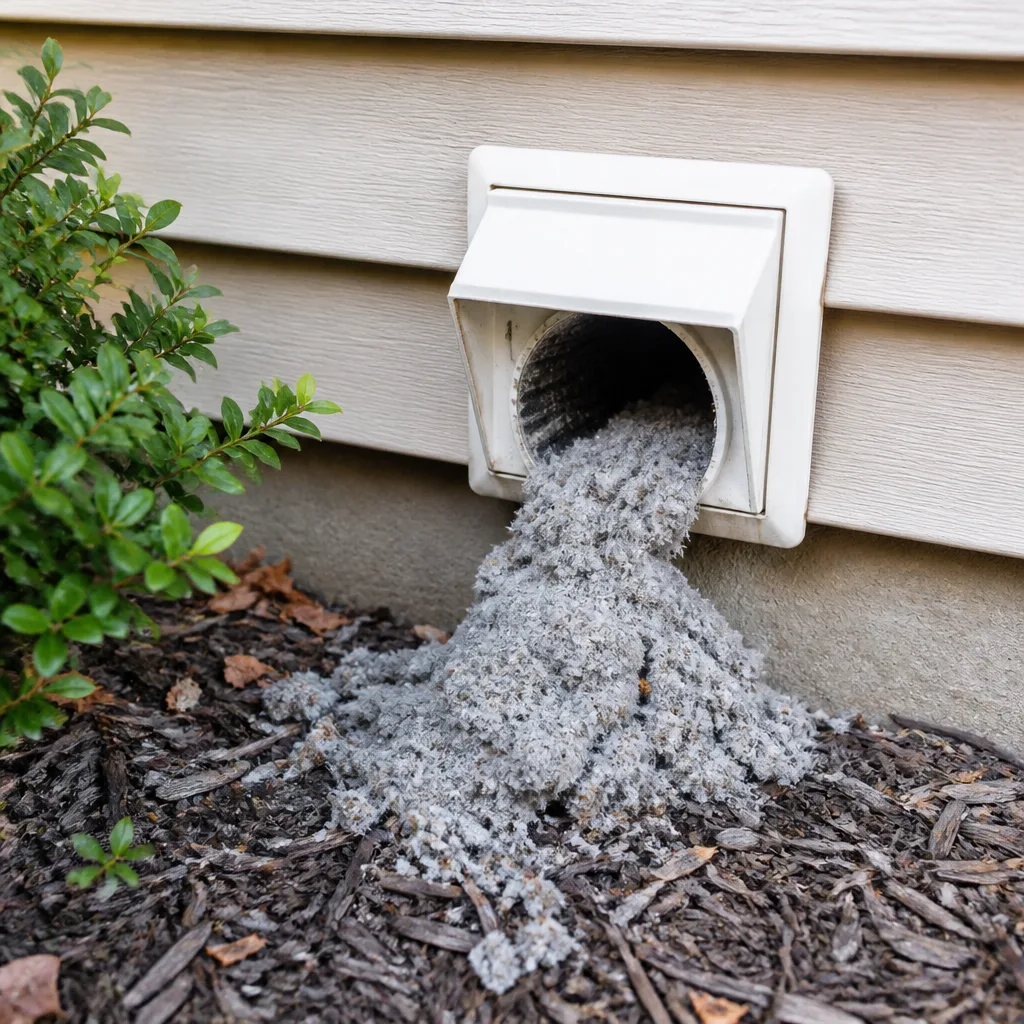 Dryer vent cleaning
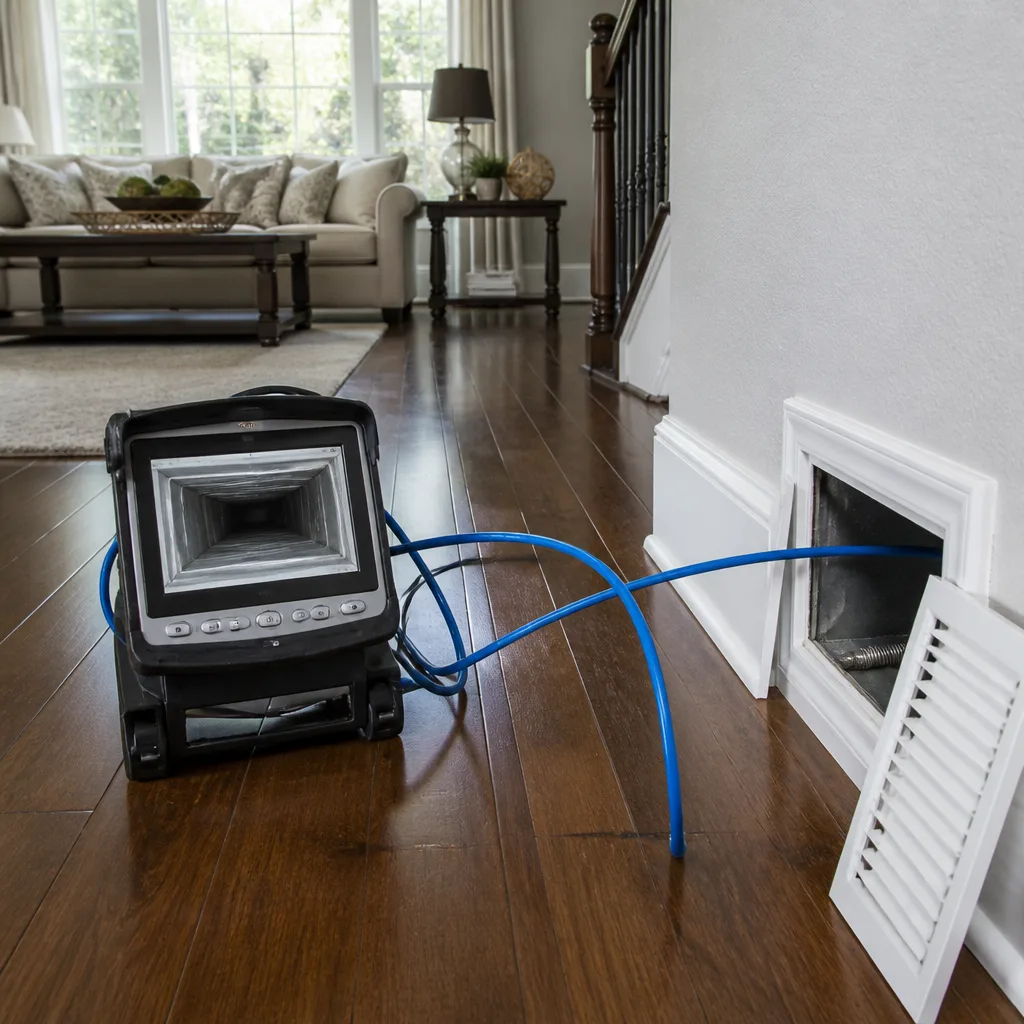 Camera inspection
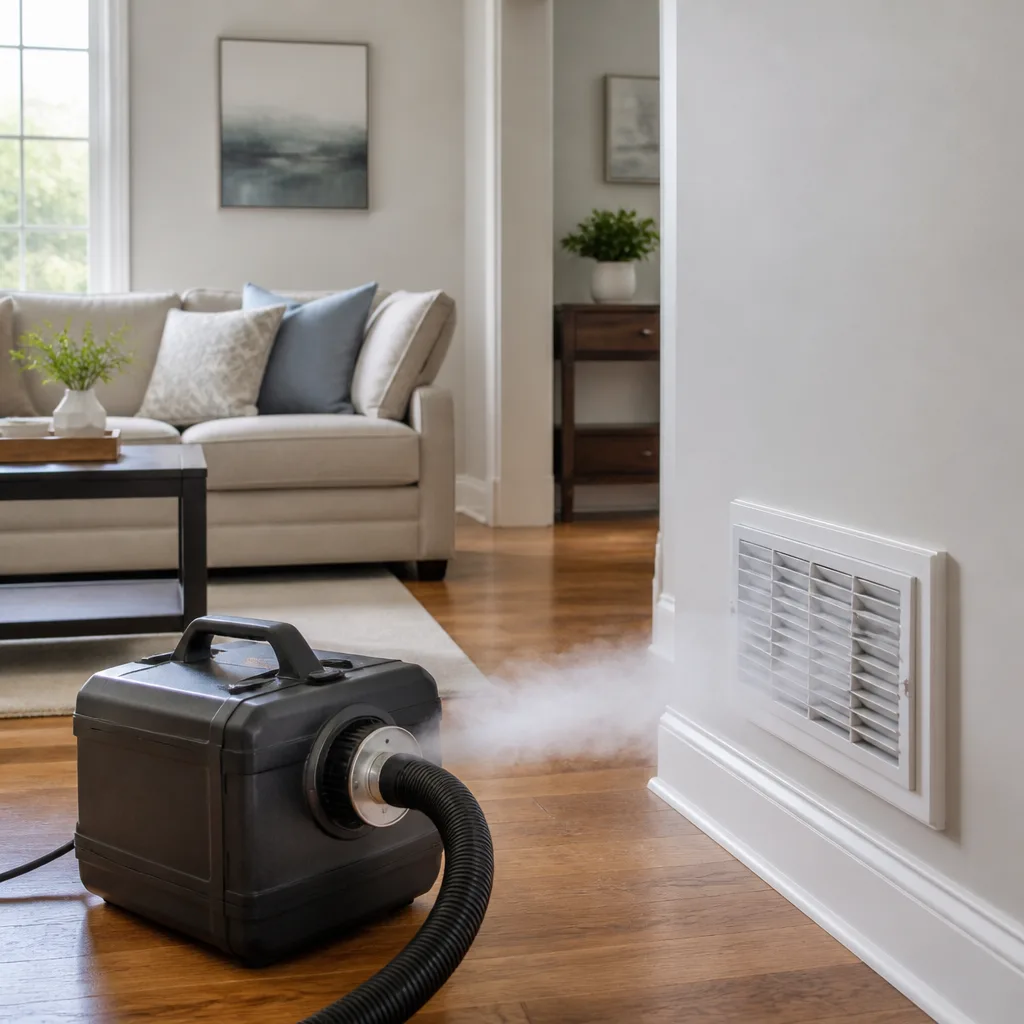 Sanitizing & deodorizing
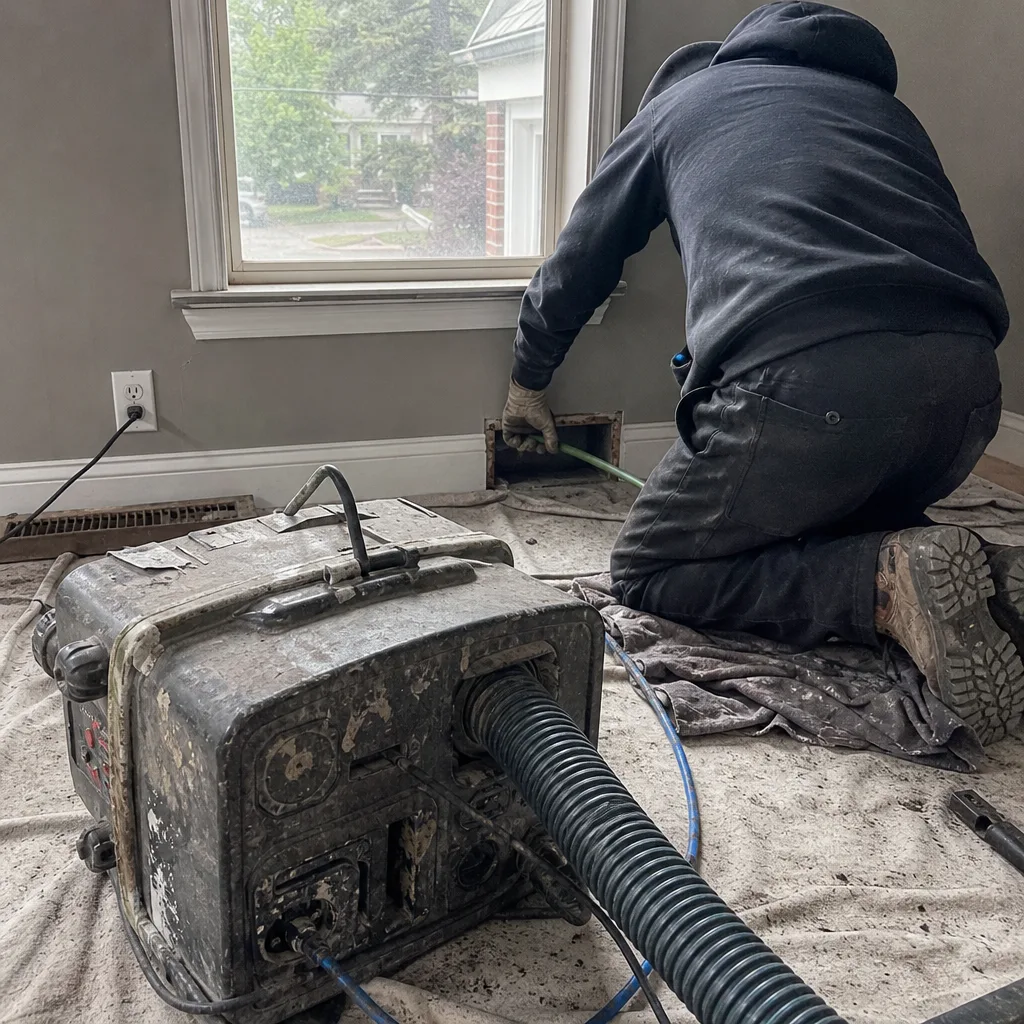
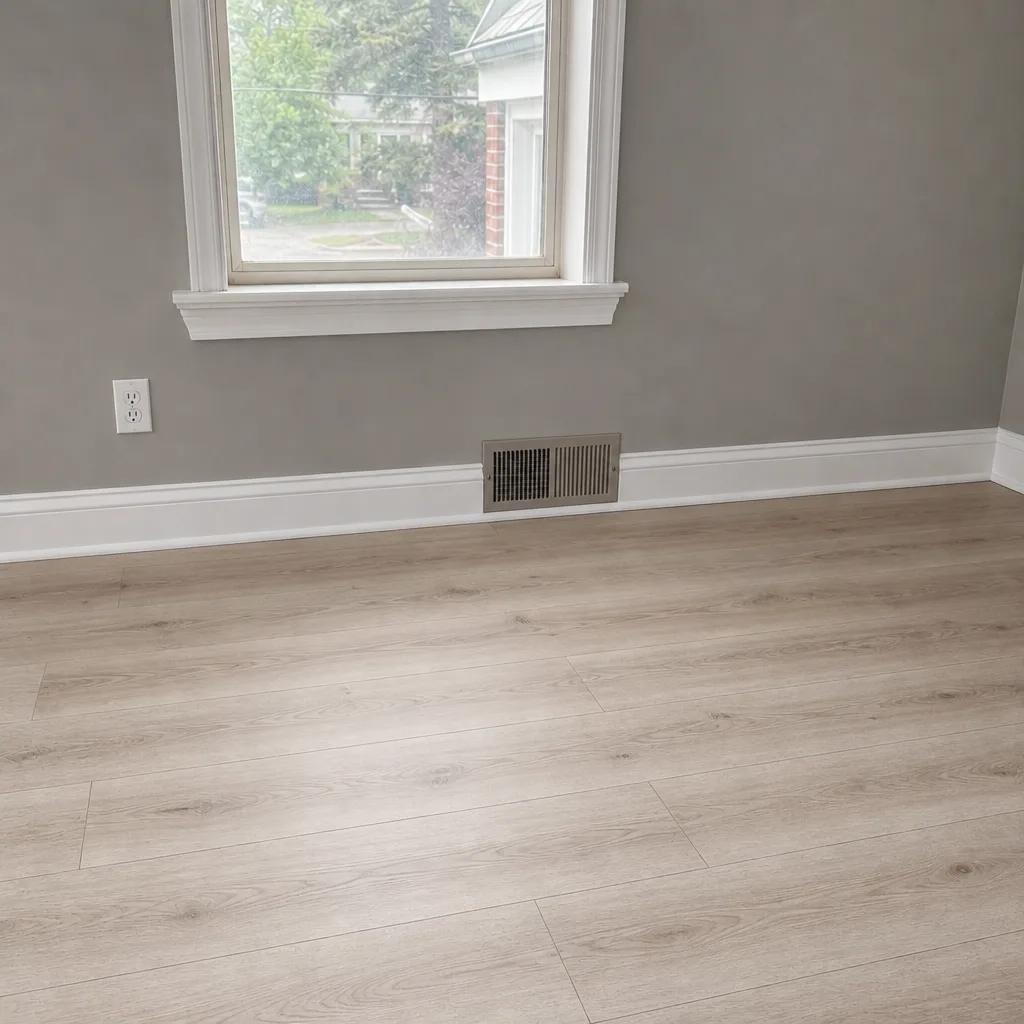
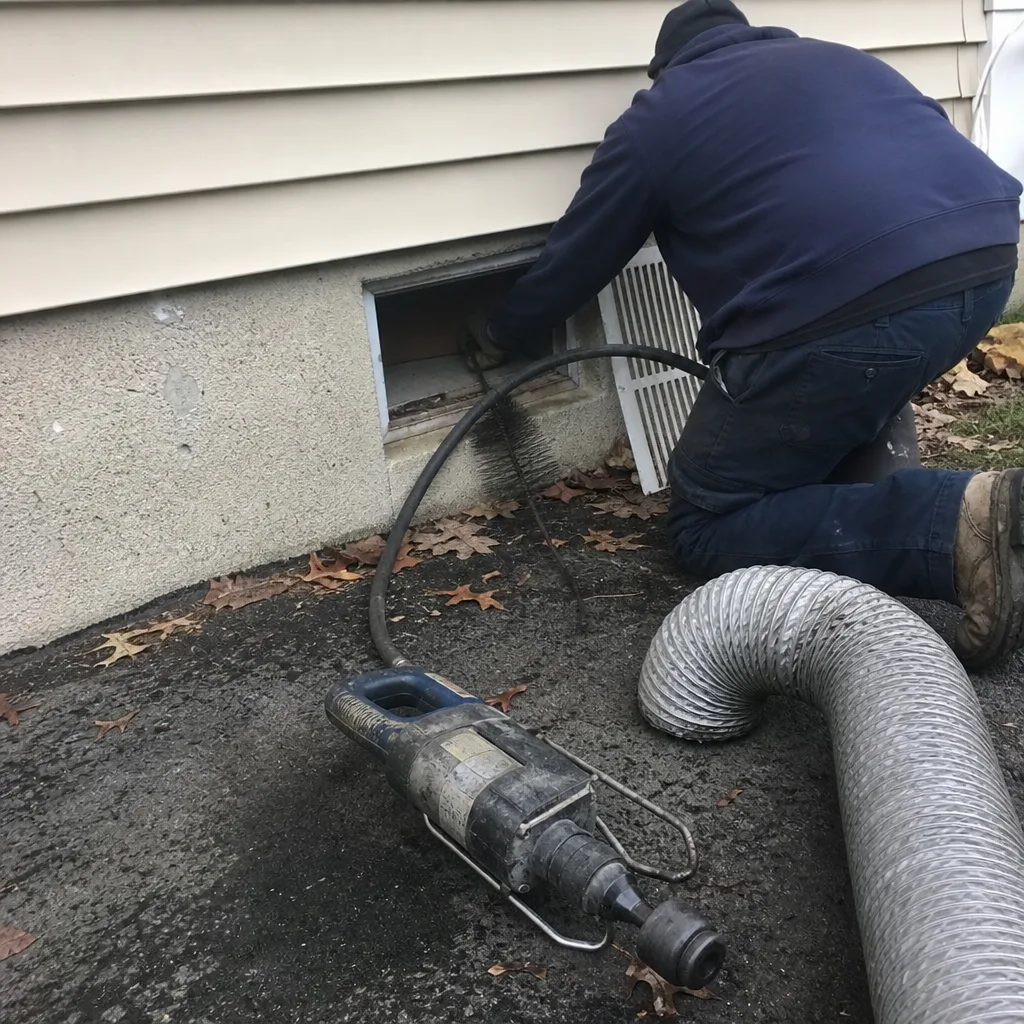
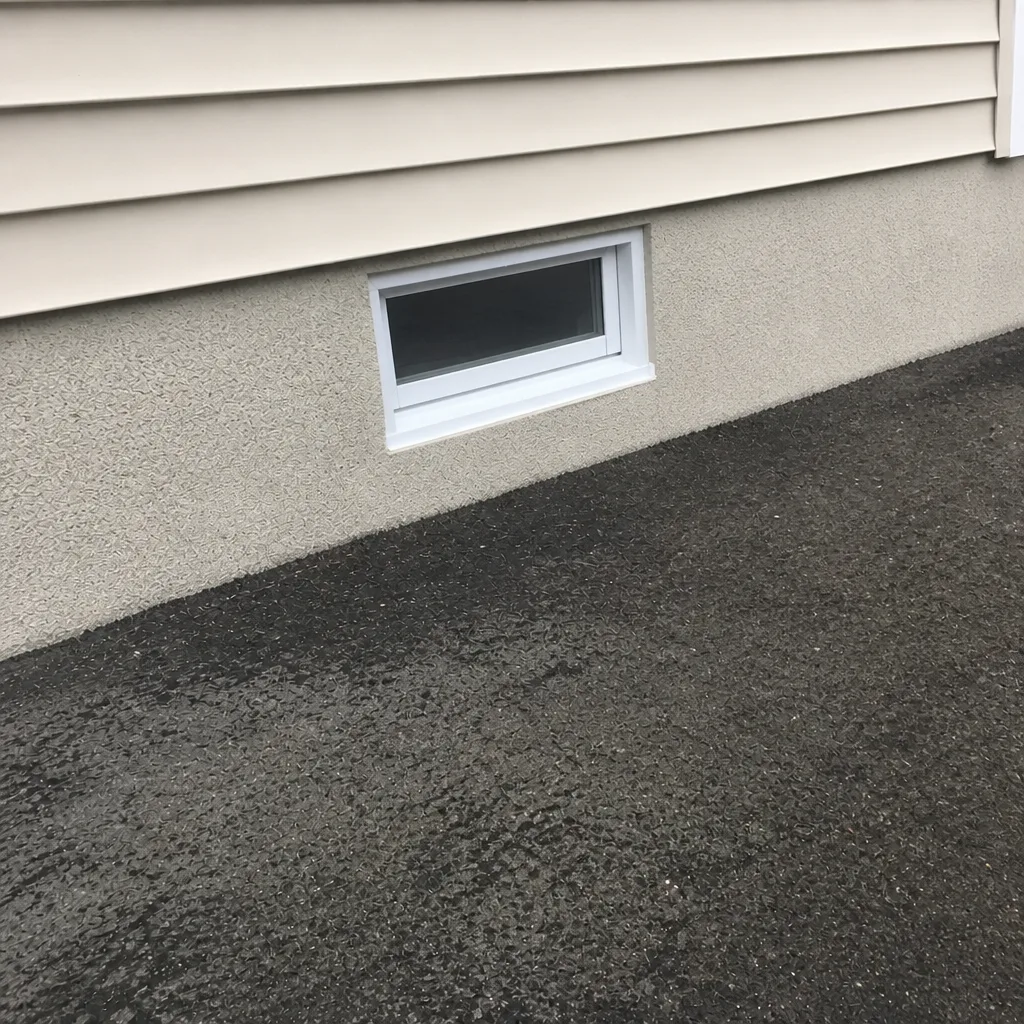
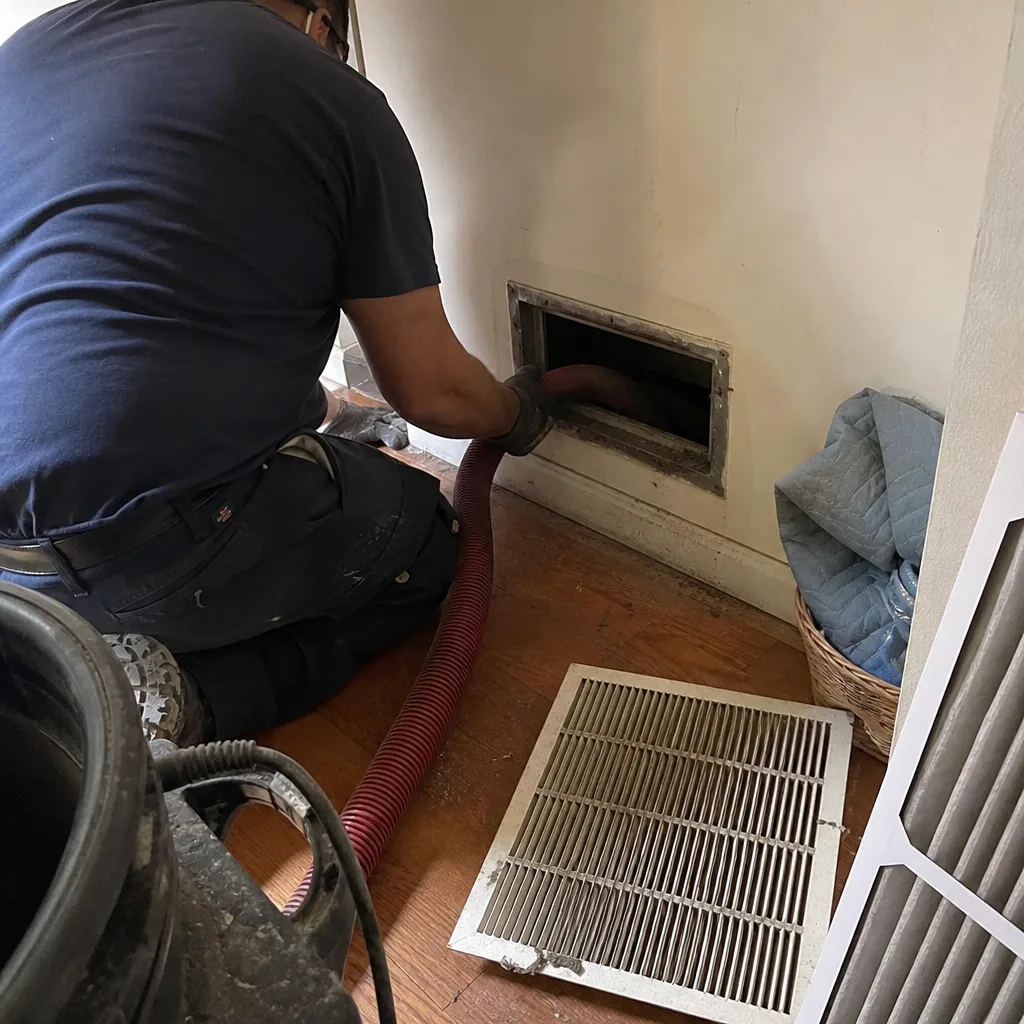
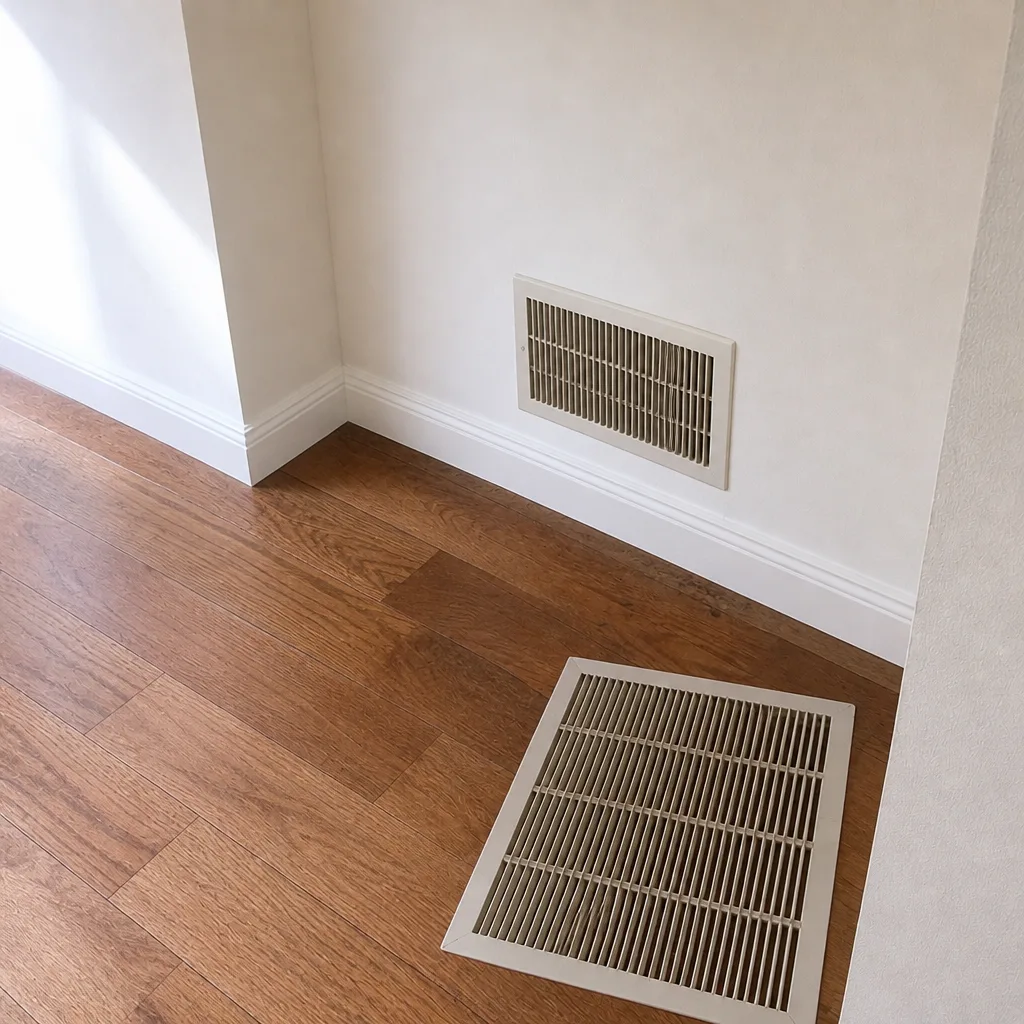
Whole-system duct and dryer vent check with before-and-after photos - you see exactly what came out of your vents
That "$99 whole-house special" is a bait ad - the real number appears once they are in your hallway, or the "clean" is a shop-vac at the register. We photograph the inside of your ducts before and after instead.
Air Duct Cleaning Warning Signs: A Waterbury Homeowner’s Reference Guide
Visible dust on your registers is the last warning sign to show up, not the first. By the time you can see a grey film on the vents, your filter has been passing fine particles for multiple heating and cooling cycles, and the duct lining has been collecting the overflow. The earlier signals are subtler: a room that never heats evenly, a musty smell that shows up only when the blower kicks on, black streaking near a supply grille. Each one points to a different root cause, and each one calls for a different response. This guide walks through the signals Waterbury homeowners most often misread, how to tell a duct problem from a furnace problem, and when cleaning alone won’t fix what you’re seeing.
Styles & brands we work with
- Whole-home duct cleaning
- Dryer vent cleaning
- Camera inspection
- Sanitizing & deodorizing
Quick Answer
The clearest air duct cleaning warning signs are musty odors that appear when the blower runs, visible black streaks around registers, uneven room temperatures, allergy symptoms concentrated in one room, and rising dust after a filter change. In Waterbury’s older housing stock, add corroded galvanized duct runs and evidence of rodent activity in basement ducts. If you notice any of these, get the system inspected before you book a cleaning, because a compromised duct needs repair, not just a vacuum.
Table of Contents
- A Symptom-to-Cause Map: What Each Warning Sign Actually Means
- Musty Odors When the Heat Kicks On
- Black Streaks Near Registers: A Late-Stage Sign
- Uneven Room Temperatures and the Blockage Behind Them
- Allergy Symptoms Concentrated in One Room
- How to Tell a Duct Problem from a Furnace Problem
- Warning Signs Specific to Waterbury’s Older Housing Stock
- Dryer Vent Warning Signs Most Homeowners Miss
- When the Warning Signs Mean Repair, Not Just Cleaning
- Common Mistakes to Avoid
- When to Call a Professional
- Frequently Asked Questions
- The Bottom Line
A Symptom-to-Cause Map: What Each Warning Sign Actually Means
Most homeowners lump every duct complaint under “the air feels dusty,” and that’s the first mistake. Household air that feels dirty can come from a filter that’s overdue, a blower pulling debris off a dirty coil, or a supply run that’s been collecting debris for years. The fix is different in each case, and the wrong service call wastes money without solving the problem. Here’s a working map of the signals we look for and what each one typically indicates.
- Musty odor when the blower starts: moisture intrusion or microbial growth inside a duct run, often where a run passes through an unconditioned space.
- Visible black streaks around a register: filtration failure combined with fine particle buildup, usually meaning the filter has been undersized or overrun for several seasons.
- One room that never heats or cools like the others: a blockage, a crushed flex run, or a disconnected duct segment behind a wall or in a crawlspace.
- Allergy symptoms concentrated in one room: localized debris, pest intrusion, or a return grille pulling from a damp basement.
- Rising dust within days of a filter change: debris in the duct lining itself, not the filter, is the source.
- Rattling or whistling at a register: a joint that has separated or a damper that’s been blocked open or shut.
The value of mapping symptoms this way is that it stops the guessing. A homeowner in Waterbury who calls about a musty smell and one who calls about an uneven bedroom are describing two different jobs. Getting the diagnosis right before the truck rolls is the difference between a cleaning that solves the problem and a cleaning that doesn’t. Our technicians have up to 9 years of experience reading exactly this kind of symptom pattern, and we’d rather spend ten minutes confirming the cause than sell a service that doesn’t match it.
Musty Odors When the Heat Kicks On
A musty smell that appears only when the blower starts, and fades when the system shuts off, is almost always moisture inside the duct system. The smell is carried on the moving air, which is why it appears on cue. The source is usually one of a handful of places, and identifying which one matters more than the smell itself.
Common sources of musty duct odors:
- Condensation on a cool duct run. A supply run passing through an unconditioned basement or crawlspace can sweat in humid months, and that moisture feeds microbial growth on the duct lining.
- Water intrusion at the air handler. A clogged condensate line or a pan that’s overflowed can wet the plenum and the first several feet of ductwork.
- Humid basement air pulled into a return. A return grille drawing from a damp basement will move that smell through the whole house.
- Microbial growth on the evaporator coil. This one sits at the boundary between duct and equipment, and the fix is different from a duct cleaning.
In Waterbury’s climate, the shoulder seasons are the hardest on duct systems. Spring and fall bring wide swings between warm afternoons and cool nights, and a system that runs intermittently can leave condensation on duct surfaces without ever drying out fully. We contain the work area before we move any debris, using Abatement Technologies filtration equipment to hold negative pressure so that anything disturbed during the cleaning stays in the work zone, not in your living room. If a smell has been building for a while, cleaning alone may not be enough: we look for the moisture source first, because a duct that stays wet will smell again.
Black Streaks Near Registers: A Late-Stage Sign
Black streaking around the edges of a supply or return grille is one of the most reliable late-stage indicators of a duct problem. The streaks form when fine particles pass through the filter, ride the airstream, and settle at the edges of the register where airflow slows. That pattern builds up over seasons, not weeks, which is why it belongs on the “late” side of the warning list.
What the streaking tells you:
- The filter has been undersized or overrun. A filter running past its rated life passes progressively finer particles.
- The duct lining is holding debris. Streaks at the register often mirror what’s accumulated further back in the run.
- The blower is pulling harder than it should. Restricted airflow forces the system to work against resistance, which spreads the particle load.
One thing to watch for: not every dark streak is dust. Around older registers in Waterbury homes, a dark stain can also be a sign of moisture wicking through the surrounding wall material. If the streak has a soft, damp edge, that’s a moisture question before it’s a cleaning question, and it’s worth flagging to whoever inspects the system.
If you’ve confirmed the streaks are dry particle buildup, that’s the point to schedule air duct cleaning. The cleaning removes the debris that’s feeding the streaks, but the streaks themselves are a symptom: keep the filter schedule tight and the streaks don’t return. Our professional-grade Rotobrush and Nikro equipment reaches the duct lining itself, not just the first few feet behind the grille.
Uneven Room Temperatures and the Blockage Behind Them
A single room that runs too cold in winter and too warm in summer, while the rest of the house feels fine, points to a delivery problem. The furnace or air handler is producing enough conditioned air; the ductwork isn’t delivering it evenly. That distinction is the whole diagnosis, and it changes what the fix looks like.
- Check the register first. Confirm the damper at that room’s register is open and the grille isn’t blocked by furniture or a rug.
- Confirm airflow at the register. Hold a tissue up to the grille. Weak or no movement suggests a blockage or a disconnected run, not a closed register.
- Look for a crushed flex run. In finished basements and crawlspaces, a flex duct can get pinched behind a stud or under a stored box.
- Check for a disconnected segment. A joint that has pulled apart at a trunk line will dump conditioned air into the basement instead of the room.
- Rule out a damper left closed. Manual dampers at the trunk are sometimes adjusted and forgotten.
In Waterbury homes, the basement and crawlspace are where most of these get found. Older homes in the neighborhoods around the downtown and along the hillsides often have duct runs that were added or rerouted over the years, and a rerouted run is more prone to a crushed or disconnected segment than original work. If the room temperature problem is tied to one part of the house and not the whole house, the duct is the suspect. A whole-house temperature complaint that’s more even but persistent points elsewhere, usually to equipment sizing or a failing blower.
Allergy Symptoms Concentrated in One Room
Allergy symptoms that flare in one room and not the others, or that get worse shortly after the system starts running, are a localized signal. Whole-house air quality problems tend to affect the whole house. A single-room problem points to the duct path serving that room, or to what’s being pulled into the return that feeds it.
Signals worth taking seriously:
- Morning congestion that clears after leaving the bedroom. If the bedroom has a return grille drawing from a basement or crawlspace, that’s the first place to look.
- Symptoms that spike after a filter change. Disturbing the system can release debris that had settled, which is why cleaning a dirty system shouldn’t be a DIY project.
- Visible debris around a return grille. Fine material caught on the grille face means something’s being drawn from close by.
- Signs of pest activity near a duct run. Droppings, nesting material, or damage around a grille or basement run point to intrusion, and that’s a cleaning and repair job, not a filter job.
We don’t claim duct cleaning resolves medical conditions, and we’d never phrase it that way. What we can say is that debris and pest material in a duct system is a source of airborne particles in that room, and removing the source is the first practical step. If a room is consistently worse than the rest of the house, an inspection will tell you whether the duct path is the cause. Call (844) 619-2446 for a free estimate; we answer 24/7 and fast dispatch runs 7am to 7pm, Sunday through Friday.
How to Tell a Duct Problem from a Furnace Problem
This is where most homeowners get stuck, because the symptoms overlap. Weak airflow, dust, uneven heating, and odd smells can all come from either the duct system or the equipment. The cost of diagnosing it wrong is real: a duct cleaning won’t fix a failing blower, and a furnace repair won’t fix a disconnected duct run. Here’s how to separate them.
- A duct problem is usually room-specific or zone-specific. One side of the house is off, or one room. Equipment problems tend to be house-wide.
- A duct problem often shows up as a pattern tied to a run. The same room, the same register, the same symptom every cycle. An equipment problem can be intermittent.
- A furnace problem usually comes with a sound or a code. Short cycling, a repeating igniter click, a blower that won’t start, or a fault light. Those are equipment signals.
- Dust that returns quickly after a cleaning. If a professional cleaning is followed by a fast return of dust, check the filter and the duct joints; equipment-related dust usually comes from a failing blower or a dirty coil, not the ducts.
- Smells that track the blower. A smell that appears only with airflow can come from a coil or a wet duct; a smell that appears with burner operation is a combustion question and should be treated as a safety matter.
The safety caveat matters here. If you suspect a gas leak, a cracked heat exchanger, or combustion odor, stop diagnosing and call a licensed HVAC or gas professional immediately. Duct work and gas equipment are not the same trade, and a duct specialist shouldn’t be the person evaluating a combustion problem. Our scope is duct systems: cleaning, dryer vents, and structural duct repair. We say so plainly because misattributing a symptom is how people end up paying for the wrong work twice.
Warning Signs Specific to Waterbury’s Older Housing Stock
Waterbury’s neighborhoods were built across many decades, and that shows up in duct systems. A substantial share of the city’s housing predates the widespread use of modern flex duct, which means a lot of what’s behind the grilles is older galvanized steel or mix-and-match ductwork pieced together over several remodel cycles. Three warning signs are particular to that older stock, and all three are worth a professional inspection.
Asbestos-wrapped duct insulation. Some older duct systems were wrapped or taped with materials that can contain asbestos. You cannot identify it by eye, and you shouldn’t disturb it to find out. If you see a fibrous wrap that’s crumbling, loose, or taped at the joints in a home from that era, leave it alone and get it evaluated before any cleaning work touches it. This is a case where disturbing material is worse than leaving it in place.
Corrosion on original galvanized steel. Galvanized duct runs can corrode at the joints and seams over decades, particularly in basements and crawlspaces exposed to humidity. Corrosion weakens the seam, which allows debris to escape into the cavity and moisture to enter the duct. A duct that’s corroded past a certain point needs repair before cleaning will do anything useful.
Evidence of rodent infiltration in basement duct runs. Old duct systems have lots of penetrations, and a basement or crawlspace run with any gap in it is an entry point. Droppings near a duct, gnaw marks, or nesting material are warning signs that a cleaning alone won’t address; the intrusion point has to be sealed.
If you live in one of Waterbury’s older neighborhoods and you’re noticing any of these, an inspection is the right first step. Our technicians have up to 9 years of experience with duct systems in houses of this vintage, and we bring the equipment to handle what we find: Rotobrush and Nikro for cleaning, Abatement Technologies for containment.
Dryer Vent Warning Signs Most Homeowners Miss
Dryer vent warning signs are the ones most often ignored, and the ones with the highest stakes. A clogged dryer vent traps heat and lint behind the dryer, and the signs are gradual enough that homeowners adjust their habits instead of their vent. Here are the ones to watch.
- Dry times that keep getting longer. A load that used to finish in one cycle now needs two. That’s the most common early sign, and it’s easy to write off as the dryer aging.
- The exterior vent flap doesn’t open fully. Step outside while the dryer is running and watch the flap. A flap that barely lifts or flutters means airflow is blocked.
- The laundry room gets noticeably hot. Excess heat around the dryer is trapped air, not a normal operating condition.
- Lint accumulates around the dryer’s exterior. Lint on the outside of the vent, or on the wall around the flap, means lint is escaping where it shouldn’t.
- A burning or scorched smell during a cycle. This is the sign that should stop the cycle immediately. Unplug the dryer and don’t run it again until the vent is cleared.
Dryer vent cleaning is a separate job from air duct cleaning, and it deserves its own schedule. A dryer vent that’s clear also saves energy, because the dryer doesn’t have to run as long. If you haven’t had yours serviced in a while, or you’re noticing any of the signs above, book dryer vent cleaning before you book anything else. It’s the one item on this list where the risk of waiting is genuinely high.
When the Warning Signs Mean Repair, Not Just Cleaning
Some warning signs mean the duct system has a structural problem, and cleaning a structurally damaged duct is wasted money. The cleaning removes debris from a system that will just collect it again from the breach, and if there’s a disconnected segment, the cleaning may not even reach the debris in the first place. Repairing first, then cleaning, is the only order that makes sense.
Signs that repair should come before or alongside cleaning:
- A disconnected duct segment. If a joint has pulled apart, the run has to be reconnected and sealed before it can be cleaned effectively.
- A crushed or collapsed flex run. A run that’s crushed restricts airflow and traps debris at the pinch point; replacing the run resolves both.
- Corroded galvanized seams. A seam that’s rusted through has to be repaired, not cleaned around.
- Pest damage or intrusion points. Sealing the entry point is part of the repair, and it’s the only way to keep the problem from returning.
- Missing or damaged insulation on a duct run. A run that’s lost its insulation will sweat and feed moisture problems; reinstalling it belongs in the repair scope.
This is where our scope matters. Some companies clean ducts and hand off the repair to another contractor, which means a second appointment, a second diagnosis, and a longer window without a working system. Duct repair is a standalone service for us, which means we can close the loop: repair what’s broken, clean what’s been affected, and leave the system in a condition that stays clean. When we find a repair situation, we say so in the written estimate and price it per job, so you know before work starts exactly what’s being done and why.
Common Mistakes to Avoid
- Booking a cleaning off the first symptom you notice. A musty smell and a cold bedroom need different responses. Get the cause identified first so you’re not paying for work that doesn’t match the problem.
- Hiring based on the lowest quote. A low quote often reflects consumer-grade equipment like a shop vac, not a professional-grade vacuum and brush system. Cheap equipment moves debris around rather than containing and removing it, which can make indoor air quality worse in the short term.
- Ignoring the dryer vent because the dryer still works. A dryer that takes two cycles is telling you the vent is restricted. Waiting on that sign is the mistake that matters most.
- Cleaning a structurally compromised duct. Cleaning a disconnected or corroded run without repairing it first means the debris returns and the cleaning money is wasted.
- Skipping the containment question. Ask any contractor how they contain the debris during cleaning. Proper negative-pressure containment with equipment like what Abatement Technologies makes is the difference between a clean house and a dusty one after the job.
- Disturbing suspected asbestos wrap. In a Waterbury home of a certain age, don’t poke, brush, or vacuum fibrous duct wrap yourself. Have it evaluated first.
- Trusting an “it’s clean” report without photos. Ask to see before-and-after photos of your own ducts at every register. A written description isn’t verification; photos of your actual system are.
When to Call a Professional
Call a duct professional when the warning signs point to something you can’t safely or fully address yourself: a musty smell that returns after filter changes, streaks that recur near the same register, a room that’s consistently off, pest evidence near a duct, or a dryer that takes more than one cycle to dry a load. Call sooner if you see a dryer vent flap that won’t open, or a burning smell during a dryer cycle; stop using the dryer until the vent is cleared. And call before any work on duct wrap in an older home, because the safest first step is an evaluation, not a cleaning.
If you’re in Waterbury and any of these match what you’re seeing, Duct Cleaning Waterbury offers free estimates. Call (844) 619-2446. We answer 24/7 and fast dispatch runs 7am to 7pm, Sunday through Friday. We’ll look at the symptom, tell you what it points to, and quote the work per job in writing before anything starts.
Frequently Asked Questions
There’s no universal interval; it depends on the system, the filter discipline, and the house. A well-maintained system with a tight filter schedule can go years between cleanings, while a system with ongoing filter neglect, moisture issues, or pest exposure may need attention sooner. Watch the signs rather than a calendar: recurring dust, musty odor with the blower, or a room that won’t warm evenly are better cues than a fixed number of years. Call (844) 619-2446 for a free estimate if you’re unsure, and we’ll tell you what the signs suggest.
A very low quote often reflects consumer-grade equipment, no containment, and pricing that gets adjusted once the technician is on site. Professional cleaning uses a truck-mounted or high-volume vacuum with a rotary brush system, and it includes containment so the debris you disturb doesn’t end up in your living room. We give one flat price per system, agreed before work starts, with before-and-after photos of your own ducts so you can see what changed. Call (844) 619-2446 for a free estimate and a written price.
Ask for before-and-after photos of your own duct runs, at every register touched, and don’t accept a generic description in place of them. A professional cleaning is verifiable because the work is visual: the duct interior is photographed before the brush and vacuum go in, and again after. Confirm the contractor uses professional-grade equipment, not a shop vac, and that containment is part of the process. Call (844) 619-2446 to book a free estimate and see what the process looks like for your system.
It depends on the source. If the smell is microbial growth or debris inside the duct system, cleaning removes the source and the smell improves. If the smell is coming from a wet coil, a condensate overflow, or a return pulling humid basement air, cleaning alone won’t fix it because the moisture is still there. The right first step is identifying where the moisture is coming from. Call (844) 619-2446 for a free estimate; we’ll help you sort out which cause you’re dealing with.
Don’t touch it. Leave it in place and get it evaluated by a qualified professional before any cleaning or repair work disturbs it. Older homes in Waterbury can have duct wrap or joint tape from materials that are now recognized as a health concern, and you can’t identify it by sight. This is a case where the safest move is the least active one, and it’s a question for an asbestos professional, not a duct cleaning company. Call (844) 619-2446 for a free estimate on the duct work itself once the wrap has been evaluated.
Repair usually comes before or alongside cleaning, never after. Cleaning a disconnected, crushed, or corroded duct is wasted money because the debris returns as soon as the system runs again, and a breached run may not even be cleanable until it’s sealed. A written estimate should specify which comes first and why. Call (844) 619-2446 for a free estimate; we’ll assess the duct system and tell you plainly which order applies to your house.
The Bottom Line
Air duct warning signs aren’t a single “dusty air” complaint: each one points to a different cause, and matching the cause to the right service is the whole game. Musty odor means moisture, streaks mean filtration failure, uneven rooms mean a delivery problem, and one-room allergy flare-ups mean localized debris or pest intrusion. In Waterbury’s older housing stock, add asbestos-wrapped duct insulation, corroded galvanized seams, and basement runs vulnerable to rodent entry to the list of things worth an inspection. Watch the dryer vent for the signs most homeowners miss, and repair before cleaning when the duct itself is compromised. Better air starts with the right diagnosis, the right tools, and the right team. Call (844) 619-2446 for a free estimate. We answer 24/7 and fast dispatch runs 7am to 7pm, Sunday through Friday. For the full range of what we do, start with duct cleaning in Waterbury, and if you’re ready to book, head to air duct cleaning or dryer vent cleaning to see how each service works.
Written by the team at Duct Cleaning Waterbury.
See the difference
 Before
 After
 Before
 After
 Before
 After