
Last updated November 16, 2026
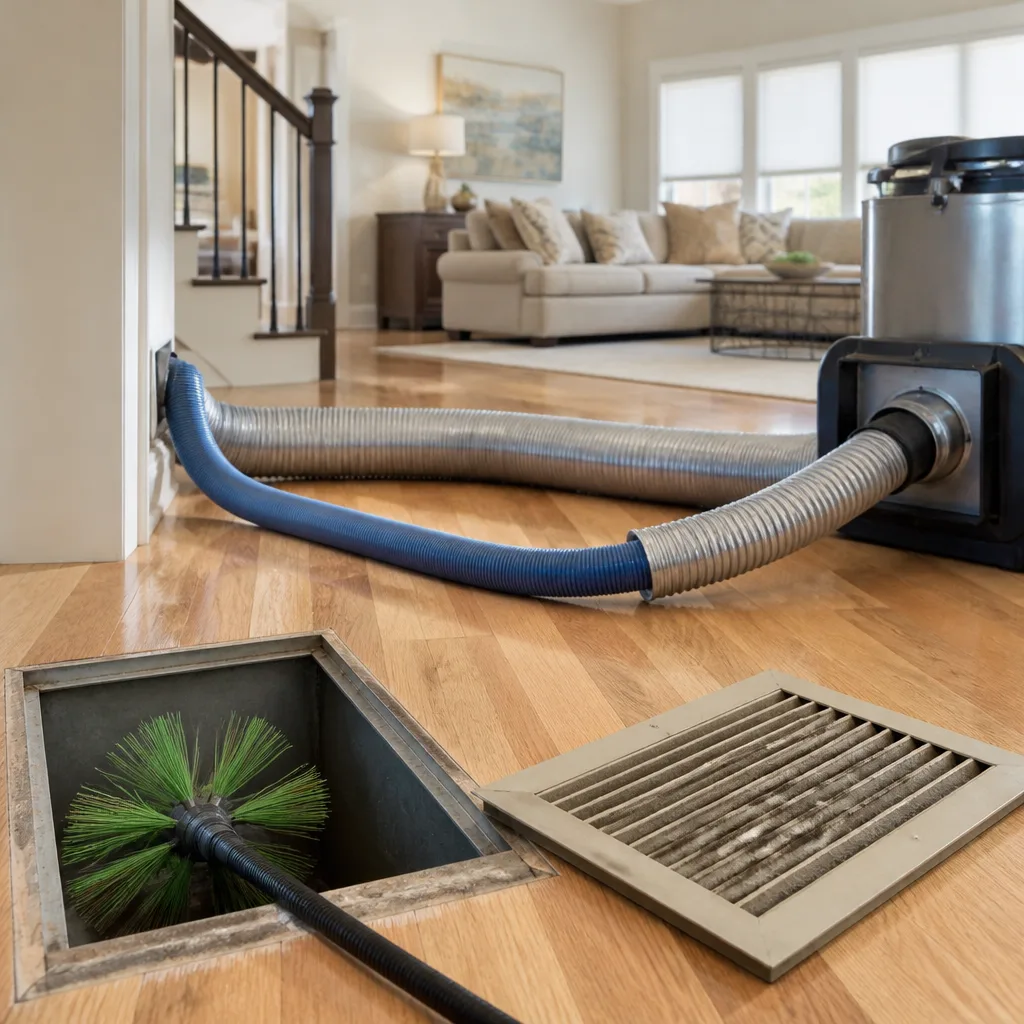 Whole-home duct cleaning
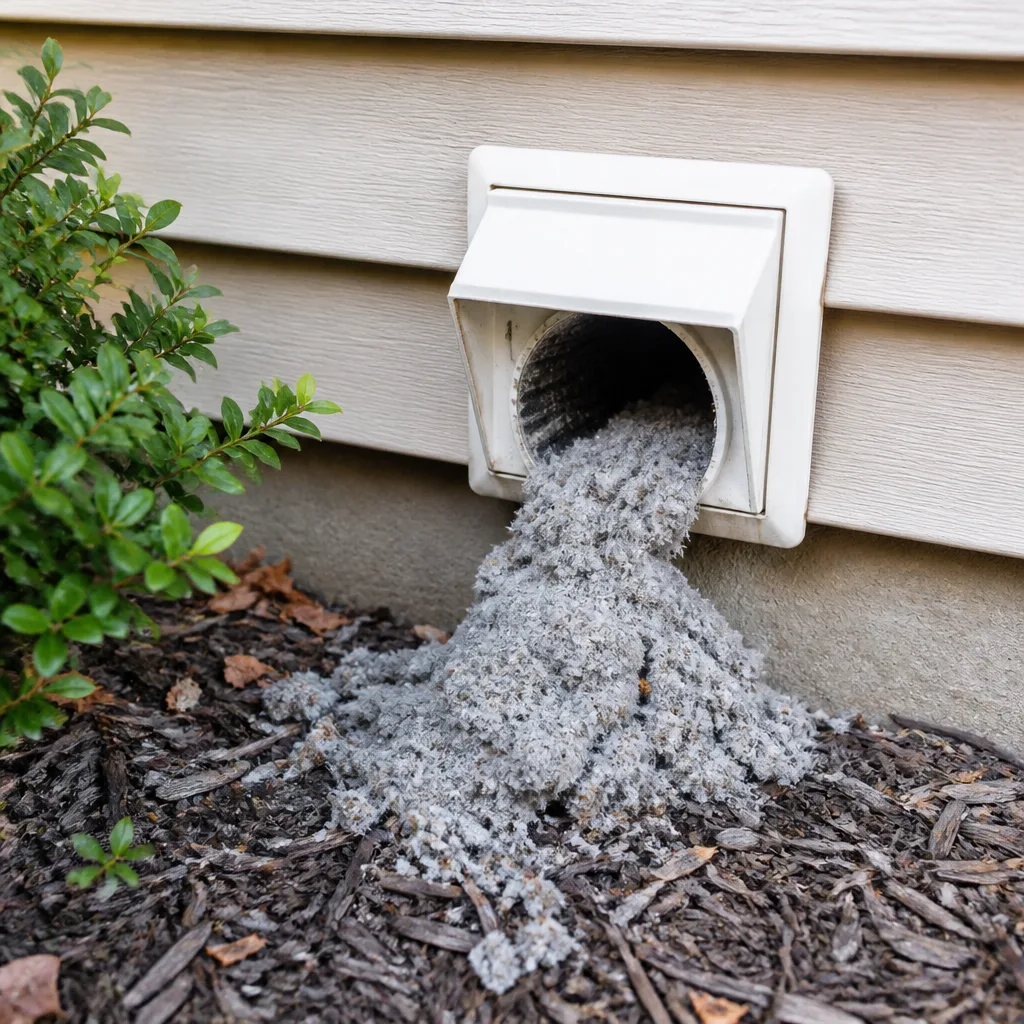 Dryer vent cleaning
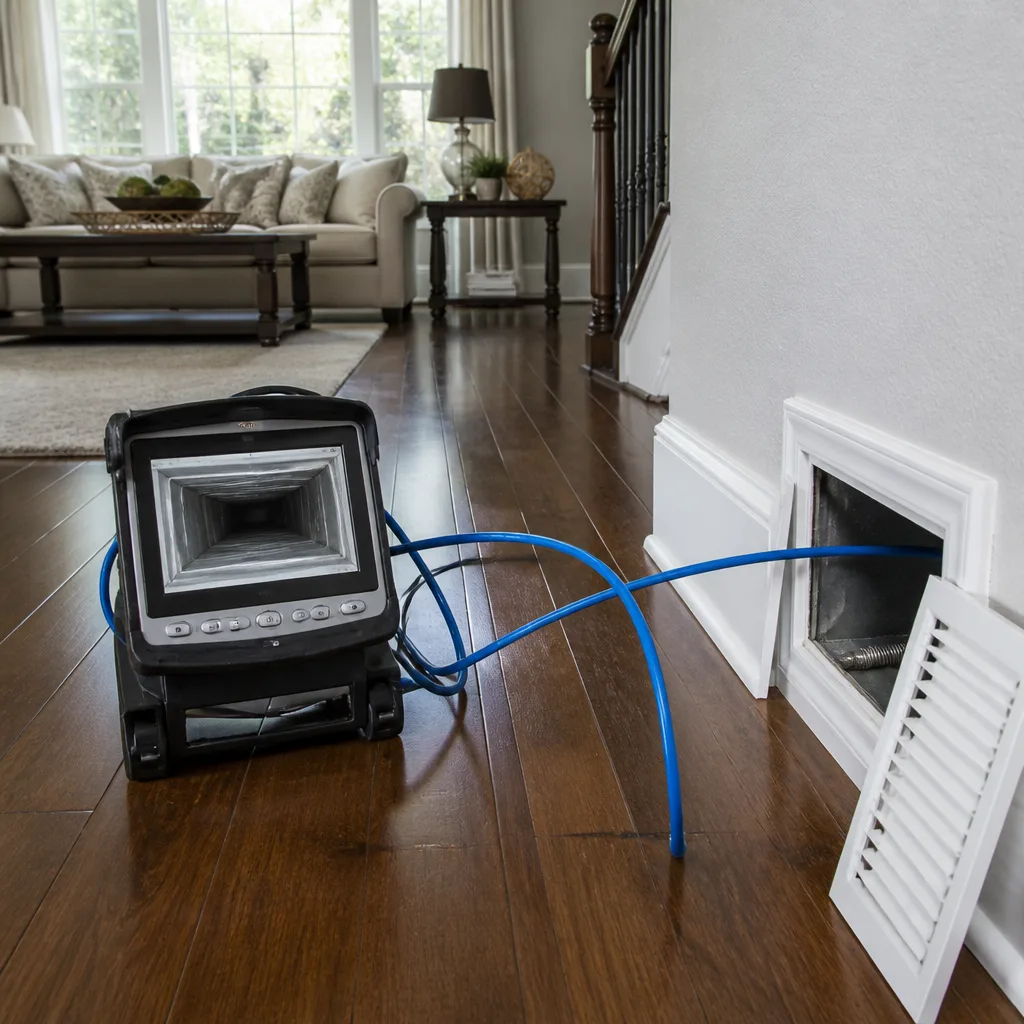 Camera inspection
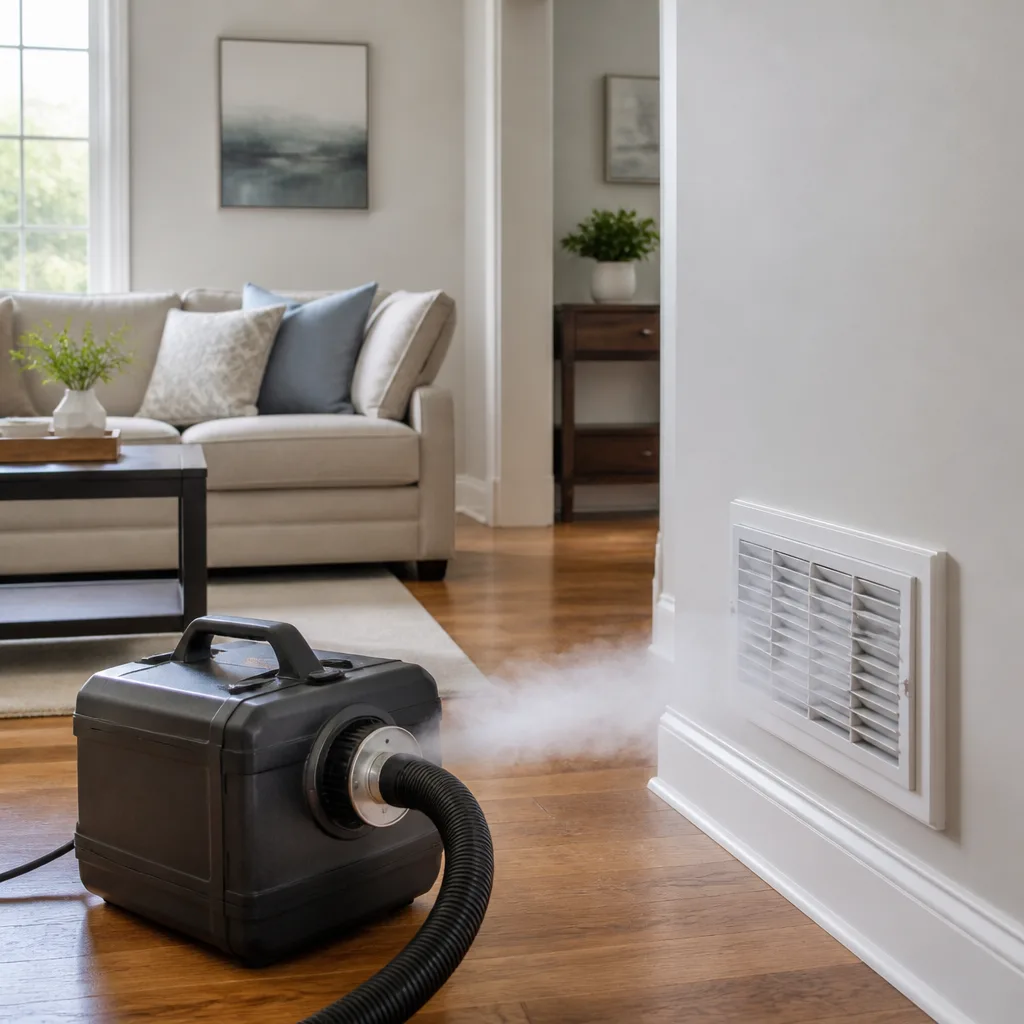 Sanitizing & deodorizing
Whole-system duct and dryer vent check with before-and-after photos - you see exactly what came out of your vents
That "$99 whole-house special" is a bait ad - the real number appears once they are in your hallway, or the "clean" is a shop-vac at the register. We photograph the inside of your ducts before and after instead.
DIY vs Professional Air Duct Cleaning: The Waterbury Homeowner’s Decision Guide
Every “DIY duct cleaning” tutorial online involves a shop vac and a brush. That combination cleans roughly the first 18 inches of a duct run. Your system extends 40 to 80 linear feet. The gap between those two numbers is the real story, and it isn’t about skill. It’s about physics. A consumer vacuum can’t build the negative pressure needed to pull settled debris off duct walls, so the comparison between DIY and professional cleaning has never been a fair one. This guide breaks down what duct cleaning actually involves, what you can reasonably do yourself, what you shouldn’t, and how to decide for your Waterbury home.
Quick Answer
DIY duct cleaning only works for surface-level maintenance like register cleaning and filter changes. Actual duct cleaning requires professional-grade negative pressure and brush systems, because consumer vacuums can’t extract the decades of settled debris that builds up on duct walls in a Waterbury home. For anything beyond routine upkeep, professional cleaning is the only approach that actually removes the contamination instead of stirring it up.
Styles & brands we work with
- Whole-home duct cleaning
- Dryer vent cleaning
- Camera inspection
- Sanitizing & deodorizing
Table of Contents
- The Physics Behind Duct Cleaning: Why Equipment Matters
- What You Can Legitimately Do Yourself
- When DIY Makes the Problem Worse
- The Real Cost of a DIY Mistake in a Waterbury Home
- The Situations Where Professional Cleaning Is Non-Negotiable
- What Professional Equipment Actually Does Differently
- How to Judge a Duct Cleaning Quote in Waterbury
- How Often Ducts Really Need Professional Attention
The Physics Behind Duct Cleaning: Why Equipment Matters
Duct cleaning is a negative-pressure job. What that means in plain language: you’re trying to grab particles that have settled against the inside walls of a duct, and you need airflow in the opposite direction of the normal airflow to lift them free and carry them away. The measurement that matters is cubic feet per minute (CFM) combined with the static pressure the vacuum can maintain while pulling through a duct run. A shop vac might advertise big peak numbers, but once you connect it to 40-plus feet of ductwork with a brush head in the way, the effective suction collapses.
Professional duct cleaning rigs are built differently. The Duct Cleaning Waterbury team runs Rotobrush brush systems paired with Nikro vacuum units, which are designed from the ground up to maintain high CFM at the working end of a long duct run. In practical terms, that’s a difference of roughly 10x the suction compared to a consumer vacuum trying to pull through the same distance. It’s not the same task done with better tools. It’s a different task altogether.
There’s a second physics problem too: containment. When you disturb settled dust, hair, dander, and construction residue inside a duct, all of it has to go somewhere. Professional setups use negative-pressure containment so debris moves from the duct into the vacuum, not into the room. Abatement Technologies containment equipment is what our technicians use to keep the mess inside the system until it’s captured. A shop vac blows the fine particulate back into the room as you work. That’s not a cleaning. It’s a redistribution.
If your thinking about duct cleaning has been shaped by the idea that “it’s just dust, how hard can it be,” the answer is that dust is exactly why this is hard. Fine particles don’t sit still. They go airborne the moment airflow is disturbed, and then they settle elsewhere: on upholstery, in carpet, on the ceiling fan blades, into the return air grille.
What You Can Legitimately Do Yourself
There’s real value in homeowner-level duct maintenance. It’s not nothing. It’s just not duct cleaning. Here’s what you can do correctly, and how to do each one:
- Clean the supply and return registers. Remove each grille with a screwdriver, wash it in the sink with warm soapy water, dry it fully, and reinstall. Wipe the immediate duct opening with a damp cloth. This is safe, useful maintenance, and it takes about 10 minutes per register. It also keeps visible dust from getting pulled into your ducts every time the system cycles.
- Replace air filters on schedule. Check the filter once a month and replace it when it’s visibly loaded. Standard 1-inch filters should be swapped every 1 to 3 months depending on household size, pets, and how much the system runs. Choose a filter that matches what your blower is designed to pull; overly restrictive “allergen” filters on an old blower can reduce airflow and cause other problems.
- Inspect the dryer vent exterior flapper. From outside the house, check that the vent flap opens freely when the dryer runs. Clear lint from the exterior opening. If airflow feels weak or the flap barely lifts, stop using the dryer until the vent is cleaned, because that’s a fire risk rather than a maintenance issue.
- Vacuum visible dust from accessible floor vents and returns. A handheld vacuum at the register face helps, but stop at the register. Once you’re past the grille into the actual duct run, home equipment no longer has the reach or suction to do useful work.
Those steps are worth doing. They won’t fix a system that’s overdue for real cleaning, but they reduce the load between services and help you spot problems early. A Waterbury homeowner who keeps up with registers and filters will notice slower accumulation than one who doesn’t.
When DIY Makes the Problem Worse
Not all DIY duct attempts are neutral. Some actively create a worse situation than if you’d left the ducts alone. The pattern is consistent.
- Disturbing settled debris without sufficient suction. If you agitate dust and hair inside a duct with a shop vac or a homemade brush extension, but you can’t pull it out, you’ve just moved contamination from a stable, dormant position into the air stream. That ends up on every surface in the house over the next few weeks.
- Brushing mold growth without containment. This is the riskiest DIY situation. Mold spores are microscopic, and brushing anything moldy scatters spores into the air before you can capture them. In a home with confirmed mold growth in the ducts, that’s not a cleaning problem anymore. It’s a health exposure that a professional with proper containment has to handle.
- Using shop vacuums rated for wet pickup on dry dust. Many shop vacs have filters designed for liquid pickup. Running them dry with fine dust clogs them fast, and once they’re clogged they recirculate exhaust air straight into the room.
- Spraying “duct sanitizer” from a hardware store into the ductwork. Without seeing what’s actually in the ducts, you’re guessing at the problem and putting moisture into a system that may already have issues.
- Pushing a brush past a flexible duct junction. Flexible duct has a wire coil inside. Snagging that coil tears the liner, and then you’re dealing with repair instead of cleaning.
- Removing insulation or registers you can’t reseat correctly. Air-sealing is part of duct health. A register reinstalled with a gap leaks conditioned air into the wall cavity, which is exactly the kind of hidden problem that takes a repair visit to find.
If your ducts currently have a light dust load, DIY attempts may do no real harm and no real good. If they have heavy buildup, oil residue, or any moisture involvement, DIY is a mistake that professional remediation has to clean up after.
The Real Cost of a DIY Mistake in a Waterbury Home
Waterbury has a lot of older housing stock, and that matters for duct cleaning decisions. Rehabbed 1920s to 1950s homes in neighborhoods like Brooklyn, the South End, and Waterville often still carry original duct runs, and some carry residue from old oil heating systems that predate the current furnace. That residue is oily, sticky, and holds onto dust in a way that new system dust doesn’t. Trying to DIY-clean oily duct residue with a shop vac doesn’t remove it. It spreads it into a thin film across nearby duct sections, which then has to be professionally cleaned along with the original problem.
What actually costs money after a bad DIY attempt:
- Professional remediation of the debris that was spread but not captured, which is a larger cleaning job than the original problem
- Containment and air scrubbing if a mold situation was disturbed, which requires the Abatement Technologies-style equipment we bring to those jobs
- Duct repair if a brush snagged and tore flexible duct or damaged a joint
- Possible air-quality product additions afterward, like a Honeywell or Aprilaire filtration upgrade, if the dust disruption made allergy symptoms noticeably worse (this isn’t a guarantee, just a likely next step)
Clean ducts. Safe dryer vents. Repaired ductwork. One call. That’s the difference between a job that ends with a cleaner system and a job that ends with a repair list. In our experience, the homeowner who calls us for a real duct cleaning is almost always ahead of the homeowner who tried DIY first and then had to call us anyway.
The Situations Where Professional Cleaning Is Non-Negotiable
Some duct conditions should not be a DIY conversation at all. The health stakes take DIY off the table. If you see any of the following, schedule professional cleaning before running the system again.
- Post-renovation debris. Drywall dust, sawdust, insulation fibers, and small construction fragments end up in the ducts during a remodel. That material is abrasive and can coat the blower wheel and the evaporator coil. It takes real negative pressure and containment to pull it out, and doing it wrong sends drywall dust through the entire house.
- Rodent intrusion. Droppings, nesting material, and urine residue inside ducts are a health hazard, not a housekeeping issue. Cleaning this requires containment from start to finish, plus proper disposal, and should never be a homeowner project. If you suspect rodents in the ducts, call a professional. Running the system before it’s cleaned will spread contamination into every room.
- Confirmed mold growth. Visible mold inside a duct, or a musty smell that returns quickly after any cleaning attempt, is a professional job. Brushing mold spores without containment means those spores end up in your air and on every surface. Cleaning mold from ducts safely requires proper equipment and containment, and if the moisture source isn’t fixed first, the mold will return.
- Multiple allergy or respiratory complaints in the household that line up with the HVAC cycle. If symptoms flare when the system runs, that’s a signal the ducts aren’t just dusty; they’re actively contributing to the air quality. That’s a professional situation.
- A dryer vent that’s visibly clogged or moving weak airflow. This is one of the most serious duct problems in any home. Lint buildup in a dryer vent is a fire risk, and the dryer vent cleaning that resolves it requires specialized equipment to do safely.
None of these are situations where a shop vac and a YouTube video belong in the picture. They’re situations where the right equipment and the right containment protocols are the only safe approach.
What Professional Equipment Actually Does Differently
Because people often ask what the professional difference actually looks like, here’s the honest breakdown. It comes down to four pieces of the process that a shop vac can’t replicate.
Negative pressure and CFM. This is the big one. Professional rigs like air duct cleaning systems built around Rotobrush and Nikro maintain high suction at the far end of long duct runs. That’s the physics we covered at the top. A consumer vacuum’s CFM collapses over 15 feet of duct. A professional system’s doesn’t.
Brush agitation combined with suction. Dust compacted onto a duct wall doesn’t lift off on suction alone. It has to be agitated, then pulled. Rotobrush’s brush head system is designed so the agitation and the extraction happen in the same motion, which means debris goes into the vacuum instead of into the room. A consumer vacuum with a brush wand is the same idea with a fraction of the suction.
Containment. Abatement Technologies equipment is what keeps the working environment sealed so nothing escapes into the room while the ducts are being cleaned. It’s the difference between “cleaning” and “moving dust around.” Not every duct cleaning company brings this. Ours does.
Post-cleaning air-quality options. Cleaning the ducts solves the existing problem. Air-quality upgrades solve the ongoing load. That’s where we work with the Honeywell and Aprilaire product lines: filtration and humidity-control options installed at the same appointment, so you’re not calling a separate contractor. This step isn’t required after cleaning. It’s an option for homes where ongoing dust or moisture has been part of the problem.
One more piece of professional difference worth mentioning: air duct repair. Most duct cleaning companies hand off repair work to another contractor. We offer it as a standalone service so a torn flexible duct, a separated joint, or a register that isn’t sealing properly gets fixed by the same visit, not by a phone call to somebody else.
How to Judge a Duct Cleaning Quote in Waterbury
Duct cleaning has a legitimate reputation problem in Waterbury and everywhere else, because the industry has low-priced coupon operators who arrive, do a surface pass, and leave. A fair quote should make sense when you look at what’s actually included. Here’s what to look for.
- Equipment named in the quote. “Truck-mounted vacuum” and “professional equipment” are vague. If the company can’t name the system, that’s worth asking about. We work with Rotobrush and Nikro, and it’s fine to ask any company what they’ll bring.
- Whole-system pricing, not per-vent. A reasonable quote covers the system as a whole. Per-vent pricing creates an incentive to keep adding vents to the invoice. That’s the bait-and-switch pattern to watch for.
- Before-and-after photos. Any professional should be able to take photos inside the ducts before cleaning and after. Ask for them. Photos are the most direct confirmation that the work happened.
- A written estimate that sets the final price. If the price is “starting at” and can grow once the technician is on site, that’s not really a quote. A real estimate commits to a number before work starts.
- Willingness to talk about repair. If duct cleaning reveals a problem (separated joint, torn liner, damaged register), the company should be able to fix it or clearly explain what needs to happen next. If they only clean, you’ll need to know who handles the repair.
If you’re searching for duct cleaning in Waterbury and every quote is $99 with an asterisk, the asterisk is the thing to read. Fair pricing for a real cleaning job reflects the equipment and time required. Estimates are free, so it costs nothing to compare a couple of quotes and see which one names what it will actually do.
How Often Ducts Really Need Professional Attention
There’s no single answer that fits every Waterbury home, but there is a sensible way to think about it. For most homes, professional duct cleaning every 3 to 5 years is reasonable, but the right interval depends on what’s actually in the system. Change the math for these factors:
- Pets in the home. Dander and hair load ducts faster. Homes with multiple pets typically need cleaning on the shorter end of that range.
- Recent renovation. Any remodel that involved cutting into walls or ceilings leaves construction dust in the ducts. That’s a “clean now” moment, not a “clean on schedule” one.
- Smokers or wood-burning stoves in the home. Smoke residue behaves like oil residue: it holds dust, and it’s harder to remove once it’s established.
- Personal health context. Anyone in the household with asthma, allergies, or another respiratory condition has a lower tolerance for baseline dust. Clean more often if that’s the case.
- Visible dust plumes from registers. If you can see dust coming out of a register when the system kicks on, the ducts are overdue regardless of last-cleaning date.
Between professional cleanings, the register and filter routine from the earlier section keeps the load down. If you’re not sure whether your system is due, that’s a fine reason to call for a free estimate and let a professional actually look at the duct interior rather than guess.
Common Mistakes to Avoid
- Using a shop vac as though it were a duct cleaning system. It’s not, because the suction collapses over long runs. A shop vac has its place in the garage, not in the middle of a duct run.
- Trusting a very low per-vent price. Every duct cleaning company in Waterbury has access to the same market, and if one quote is dramatically lower than the others, something in the job has been left out. Ask specifically what’s included and what triggers an increase.
- Cleaning ducts when the moisture problem is still active. If your Waterbury home has a basement humidity issue feeding into the ducts, cleaning without addressing moisture just resets the clock. Fix the source first.
- Skipping the dryer vent because it “seems fine.” The dryer vent is one of the highest-risk parts of a home’s duct system for reasons unrelated to comfort. If it hasn’t been cleaned in recent memory, get it checked.
- Assuming a general HVAC contractor will do a proper duct cleaning. Duct systems are a specialty, and the equipment to do it right isn’t standard in a heating-and-cooling van. A company that lists duct cleaning as a sideline among 15 other services may not bring the same tools as a duct-focused shop.
- Not asking for before-and-after photos. Photos are the single most effective defense against a job that isn’t done properly. If the company can’t or won’t take them, that’s information.
- Ignoring a musty smell that keeps coming back. A recurring musty smell after cleaning usually means moisture or mold is still active in the system. It needs proper remediation, not a second round of the same DIY approach.
See the difference
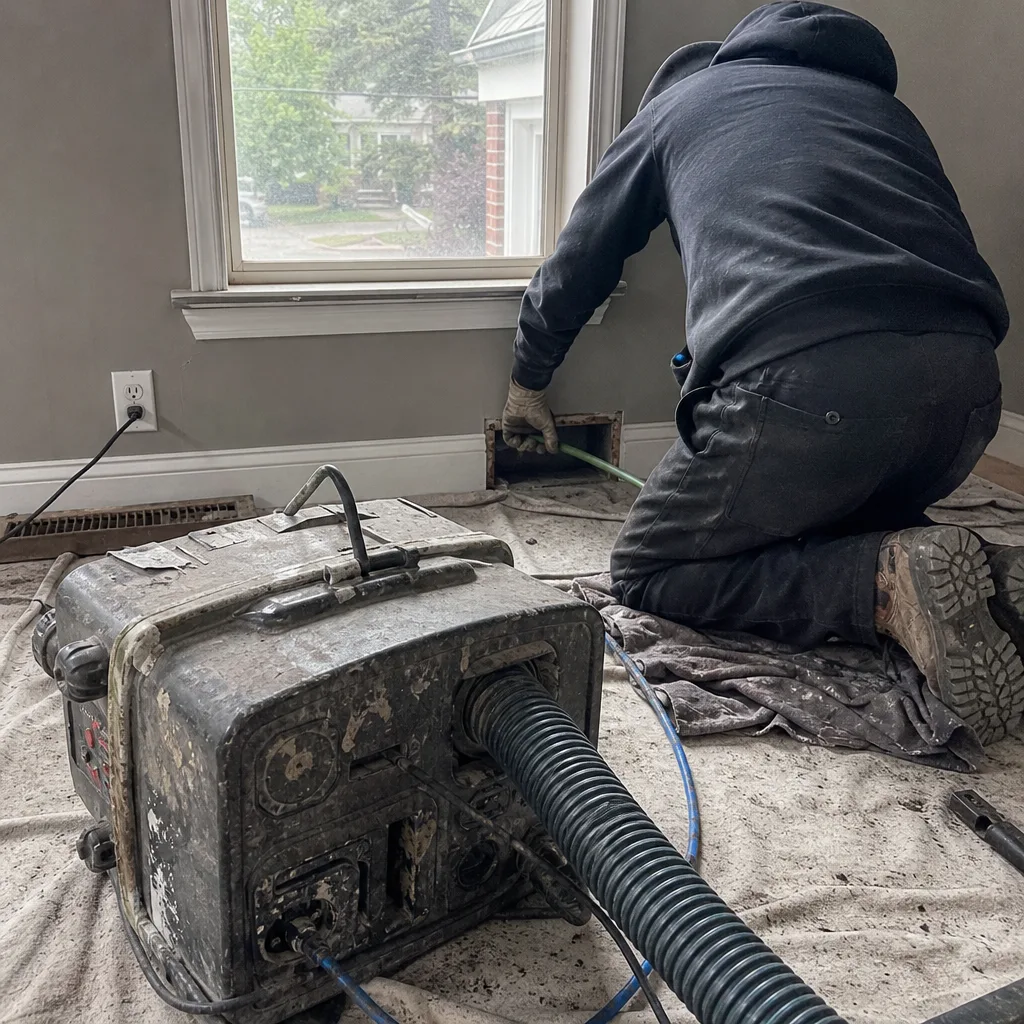 Before
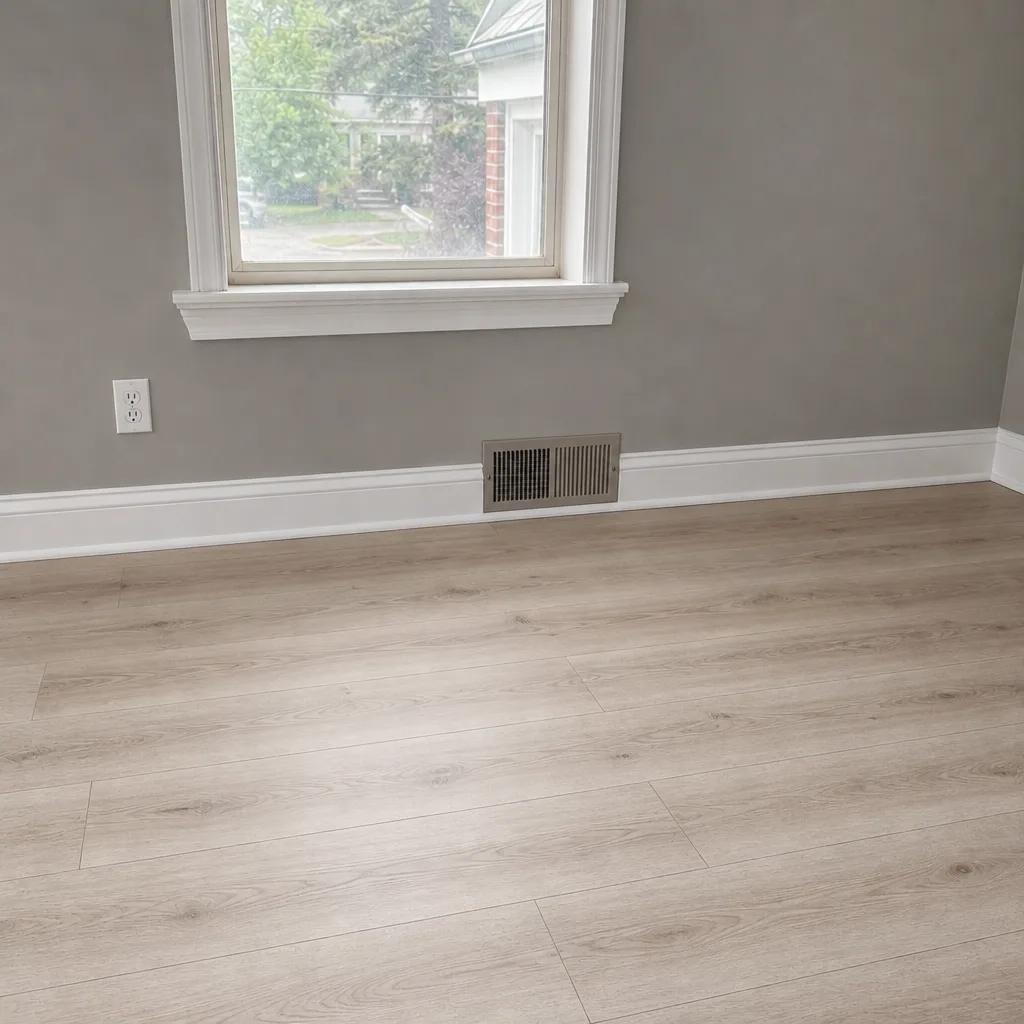 After
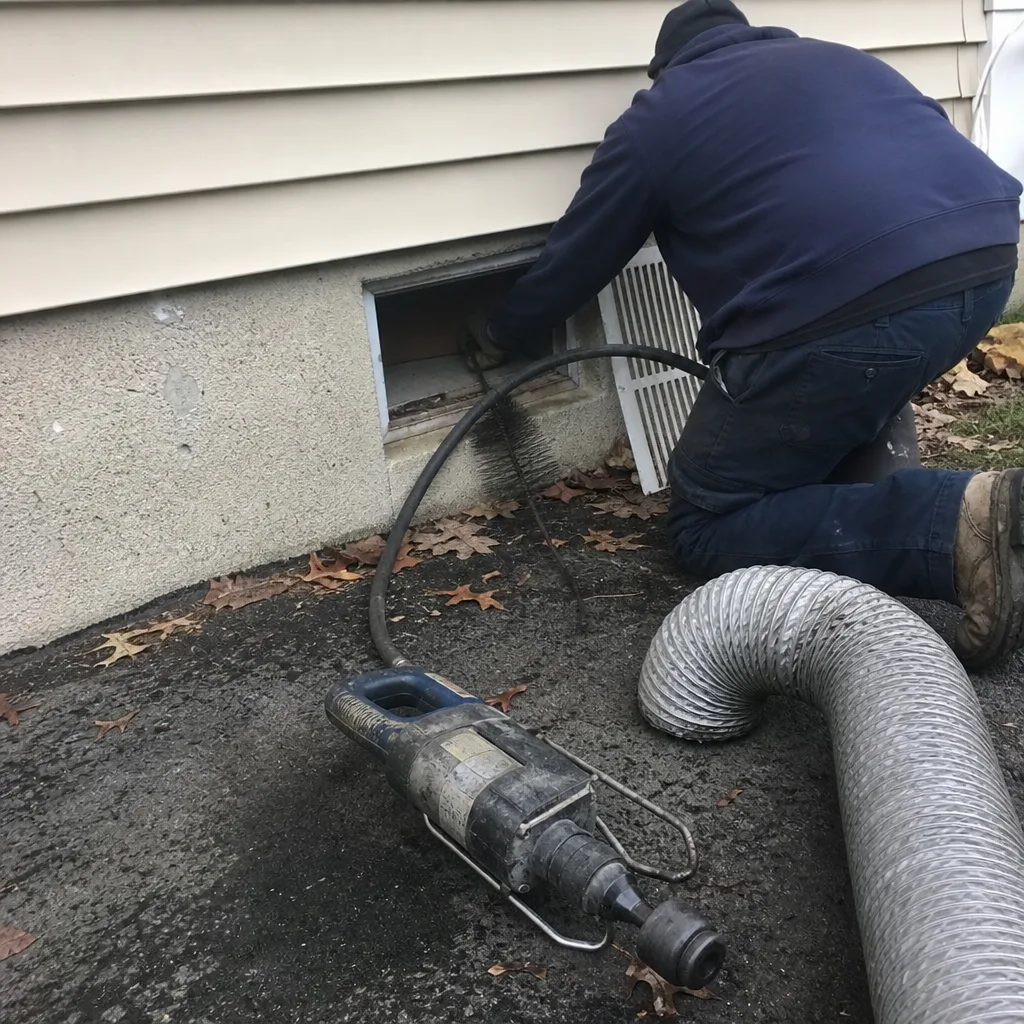 Before
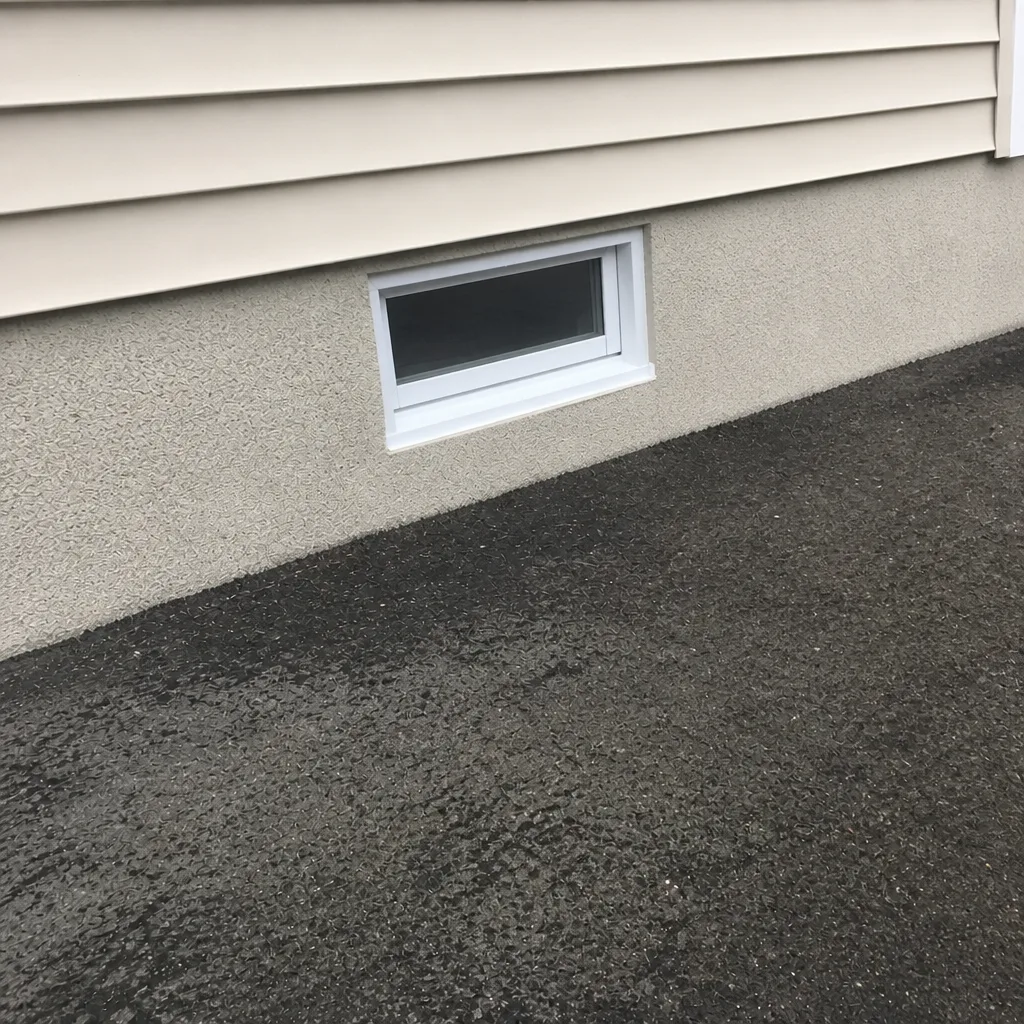 After
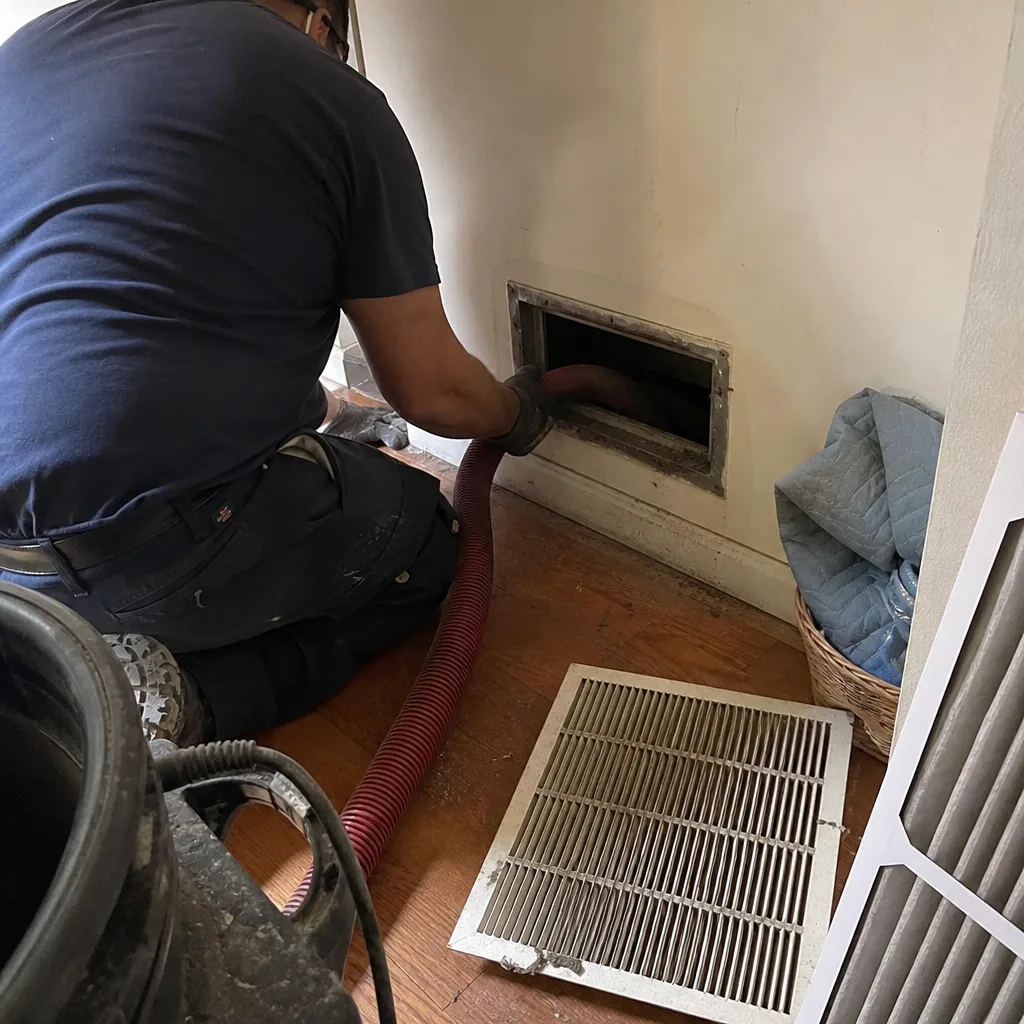 Before
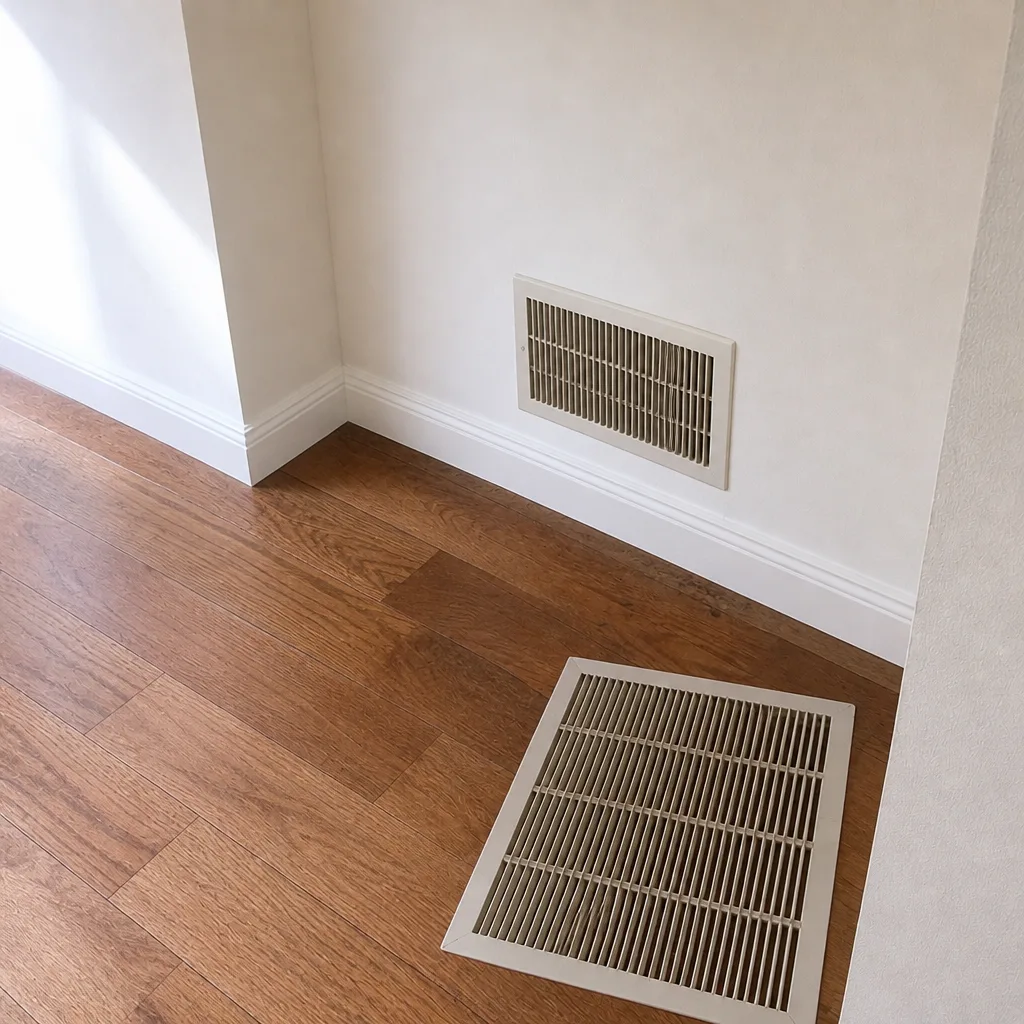 After
When to Call a Professional
Call for professional duct cleaning when you’re dealing with construction debris, rodent intrusion, confirmed or suspected mold, a dryer vent that’s not moving airflow properly, or dust plumes visible from the registers. Call for a repair if you notice a separated joint, torn flexible duct, or a register that won’t seal. Call before running the system again if you’ve had a renovation, pest intrusion, or water event affecting the duct area, because running it before cleaning spreads the problem.
Duct Cleaning Waterbury offers free estimates in Waterbury. We work with the full-scope duct picture: cleaning with Rotobrush and Nikro equipment, dryer vent cleaning, and standalone air duct repair. Call (844) 619-2446. We answer 24/7. Fast dispatch from 7am to 7pm, Sunday through Friday.
Frequently Asked Questions
Professional duct cleaning is priced per job based on the system size and what’s actually in the ducts. That means the estimate follows a look at your specific system, not a per-vent rate. Any quote that’s not based on the actual system size (coupon pricing, per-vent rates) is usually an opening for a bigger invoice later. Call (844) 619-2446 for a free estimate; the written estimate sets the final price.
Cheap quotes are cheap because something in the job is missing: proper containment, the suction to actually extract debris, or the willingness to show before-and-after photos. The customer ends up paying again later for a real job. Ask a low-price company to name their equipment and explain containment. If they can’t, that’s the answer. Call (844) 619-2446 for a straight answer on what a fair estimate looks like.
Ask for before-and-after photos of your own ducts. Any professional should have no trouble taking them, and the photos are the most direct confirmation that the cleaning was real. Photos plus a written estimate that matched the invoice is the combination to look for. Call (844) 619-2446 to schedule an estimate.
Most homes do well with professional cleaning every 3 to 5 years. Homes with pets, recent renovations, or respiratory conditions in the household need it more often. If you’re seeing dust plumes from registers before that interval, the ducts are overdue. Call (844) 619-2446 and we’ll look at the system and tell you honestly whether it’s time.
No, not usefully beyond the register. A shop vac doesn’t have the suction to extract debris from the length of a duct run, and running one without containment can actually spread settled dust into your rooms. Stick to register cleaning and filter replacement; leave the duct interiors to professional equipment. Call (844) 619-2446 to find out what’s actually in your ducts.
Debris from drywall and construction, or contamination from rodents, stays in the system and moves through the house every time the HVAC runs. Over time, that contaminates surfaces, the blower, and the coil, and it makes the eventual cleaning more involved. Cleaning before the system is put back into regular use is the right sequence. Call (844) 619-2446 and we’ll scope the job properly.
The Bottom Line
Duct cleaning isn’t a skill question. It’s a physics question, and consumer equipment can’t do the job because it can’t generate the suction or the containment that real duct cleaning requires. DIY-level maintenance (registers, filters, exterior dryer vent check) is worth doing, and it buys time between services. Anything deeper, especially post-renovation debris, rodent intrusion, or mold, needs professional equipment and professional containment. When you’re ready for a real cleaning, get a written estimate, ask for equipment names, and expect before-and-after photos. That’s what a proper duct cleaning looks like.
Call (844) 619-2446 for a free estimate. We answer 24/7. Fast dispatch from 7am to 7pm, Sunday through Friday.
Written by the team at Duct Cleaning Waterbury.