
Last updated November 16, 2026
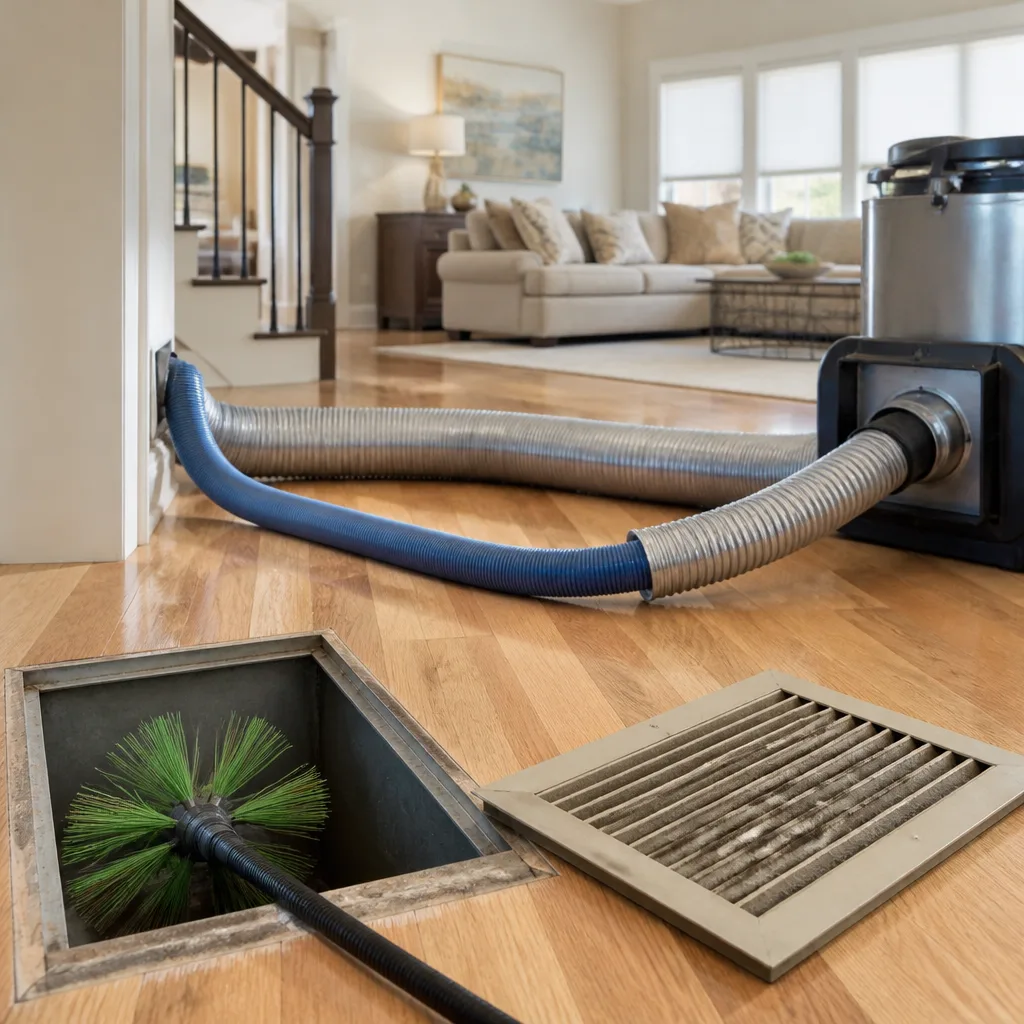 Whole-home duct cleaning
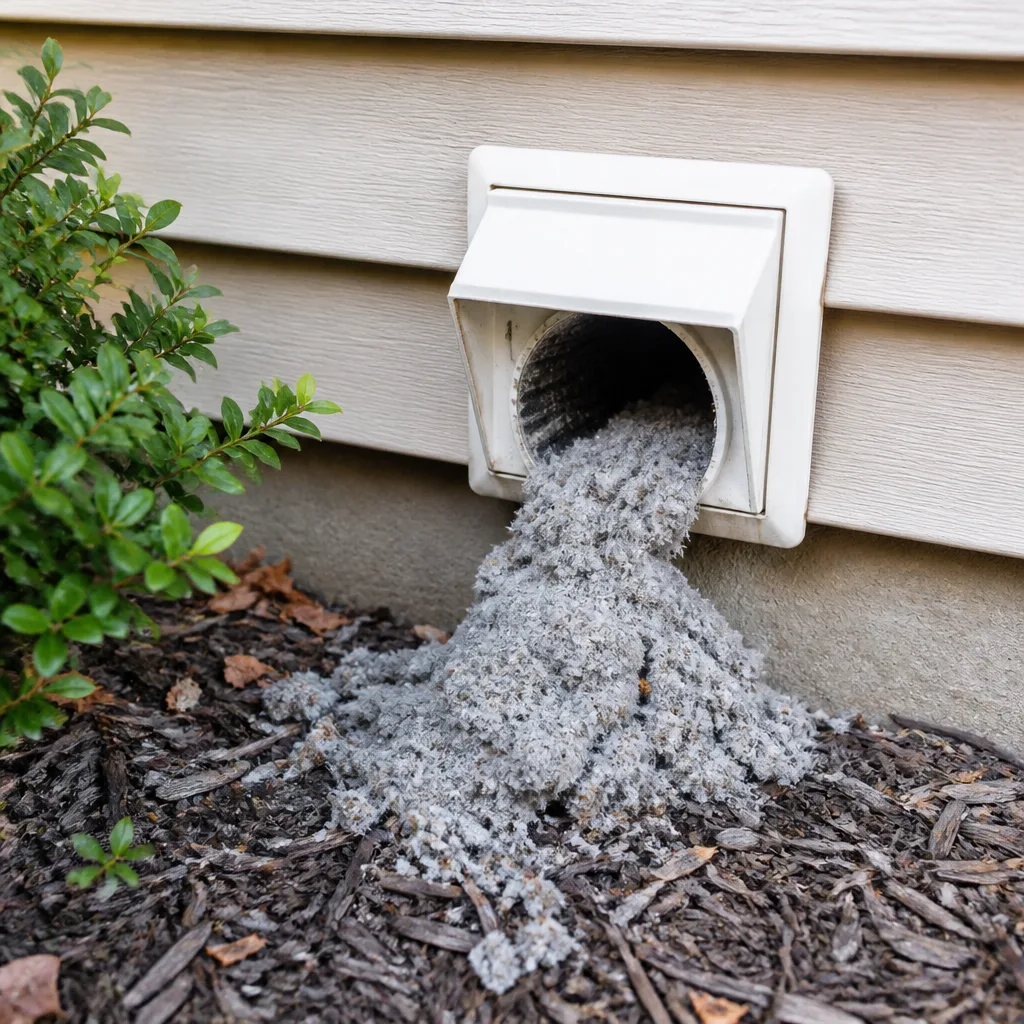 Dryer vent cleaning
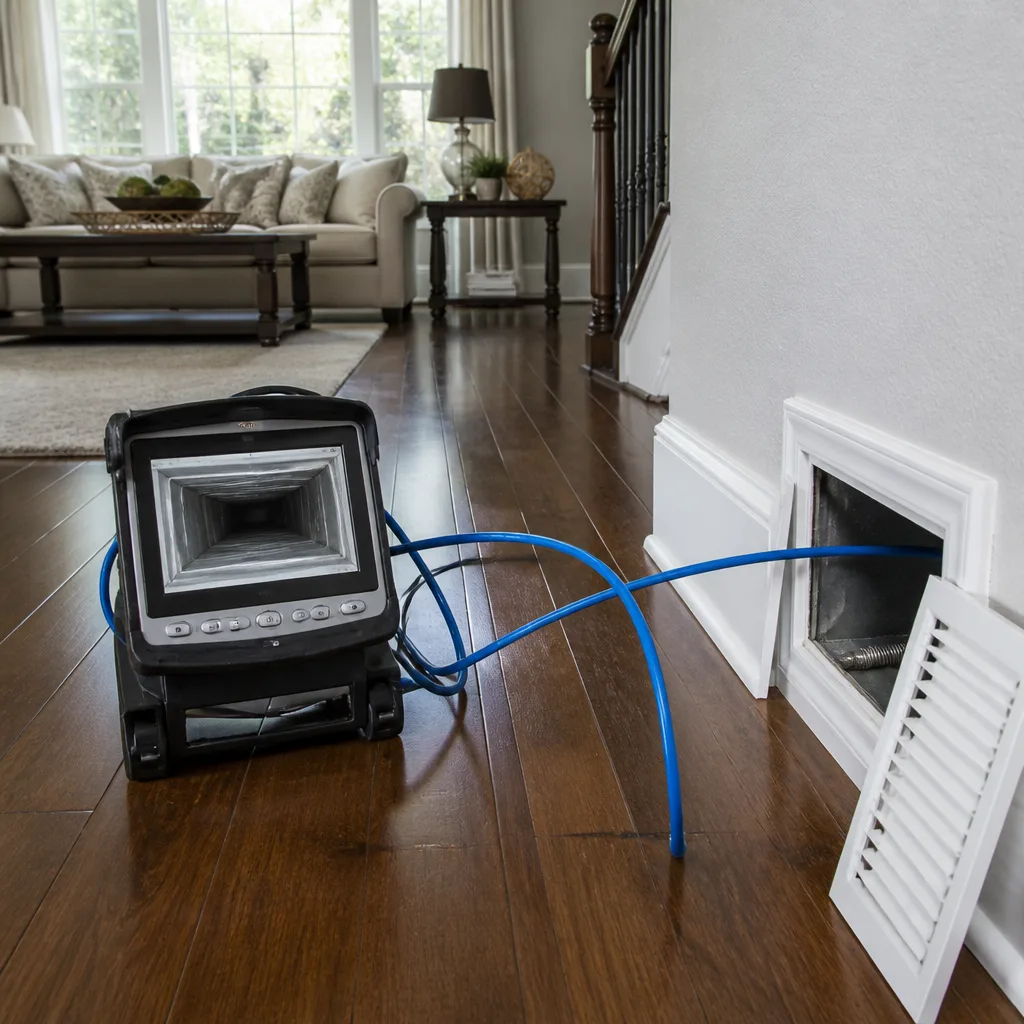 Camera inspection
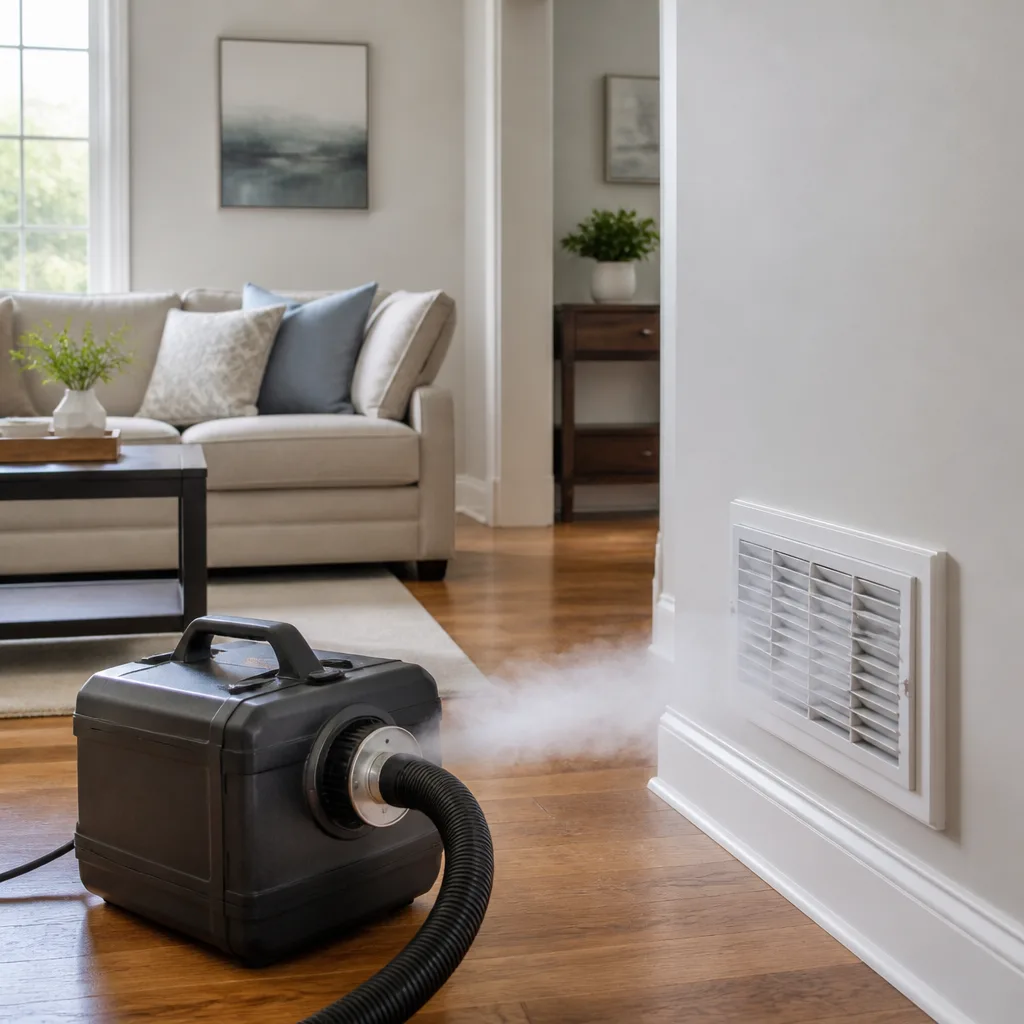 Sanitizing & deodorizing
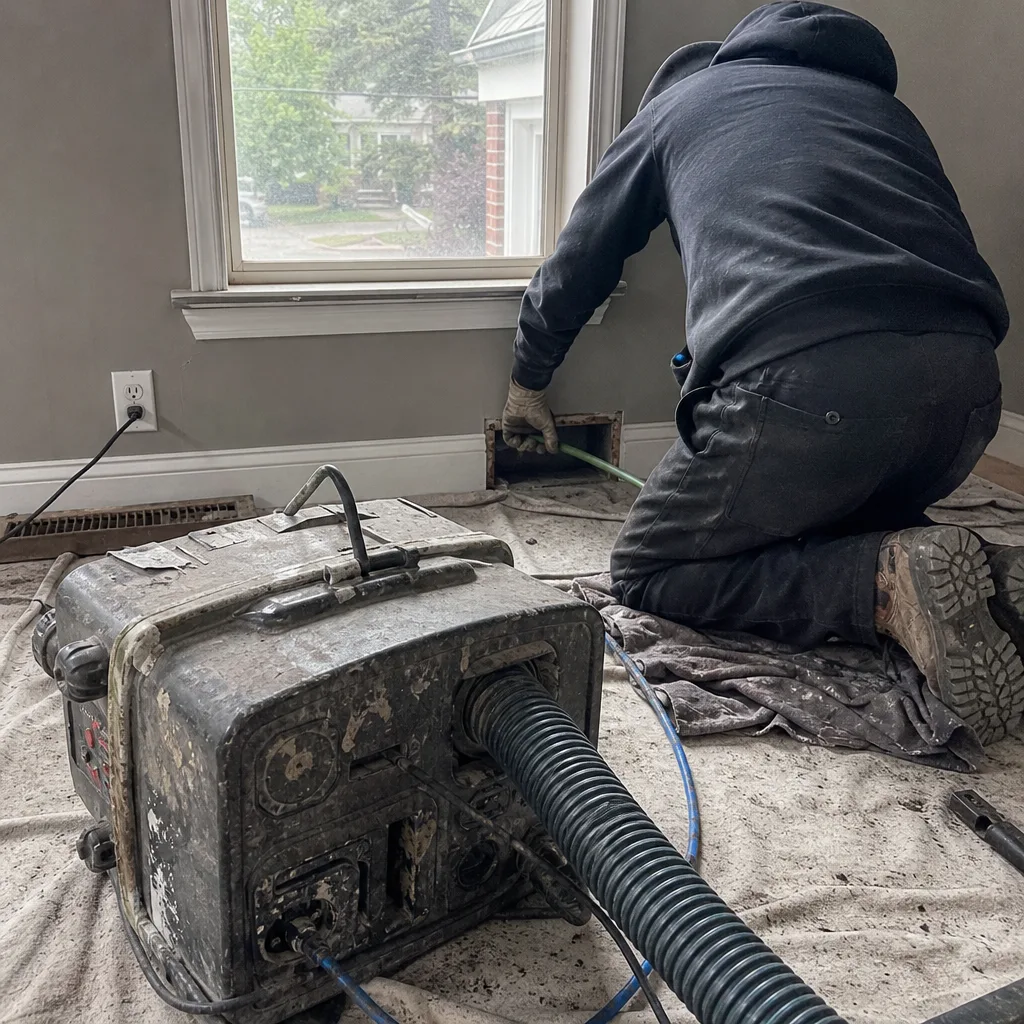
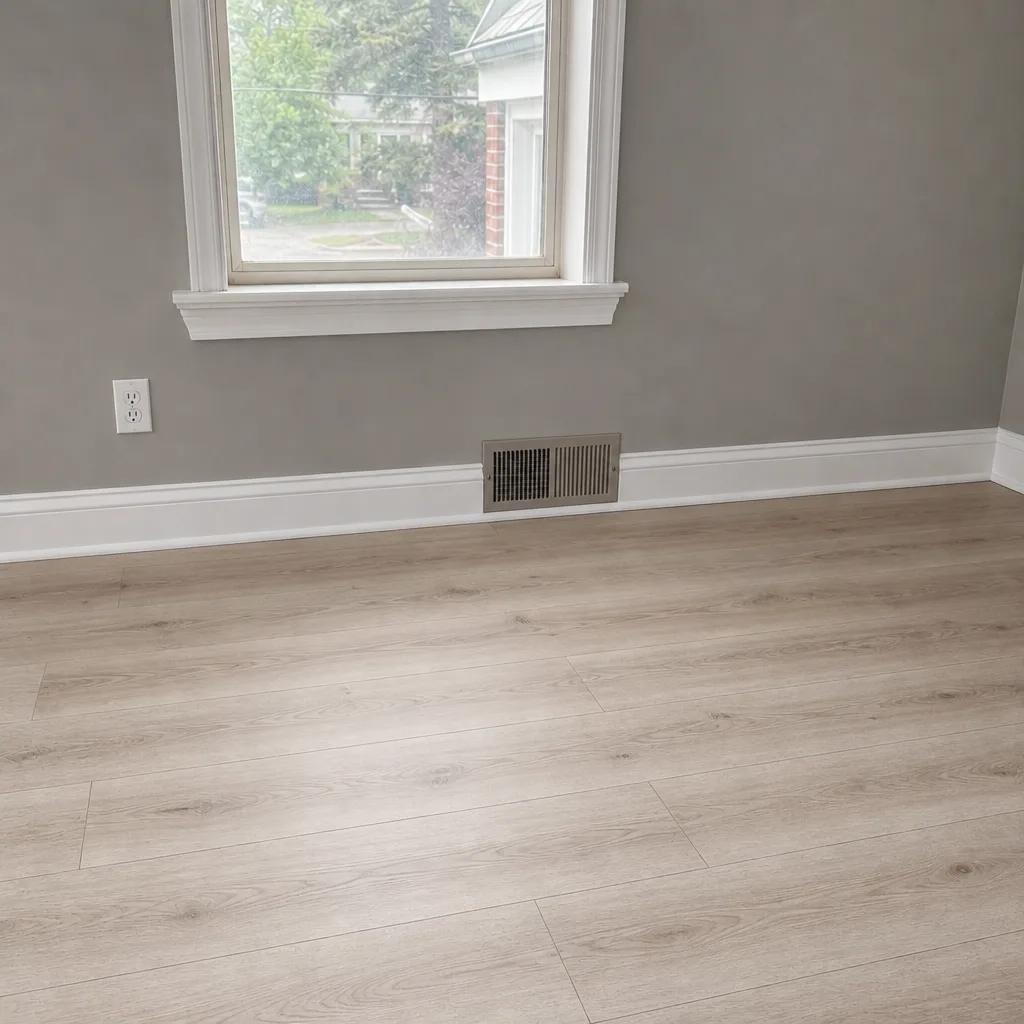
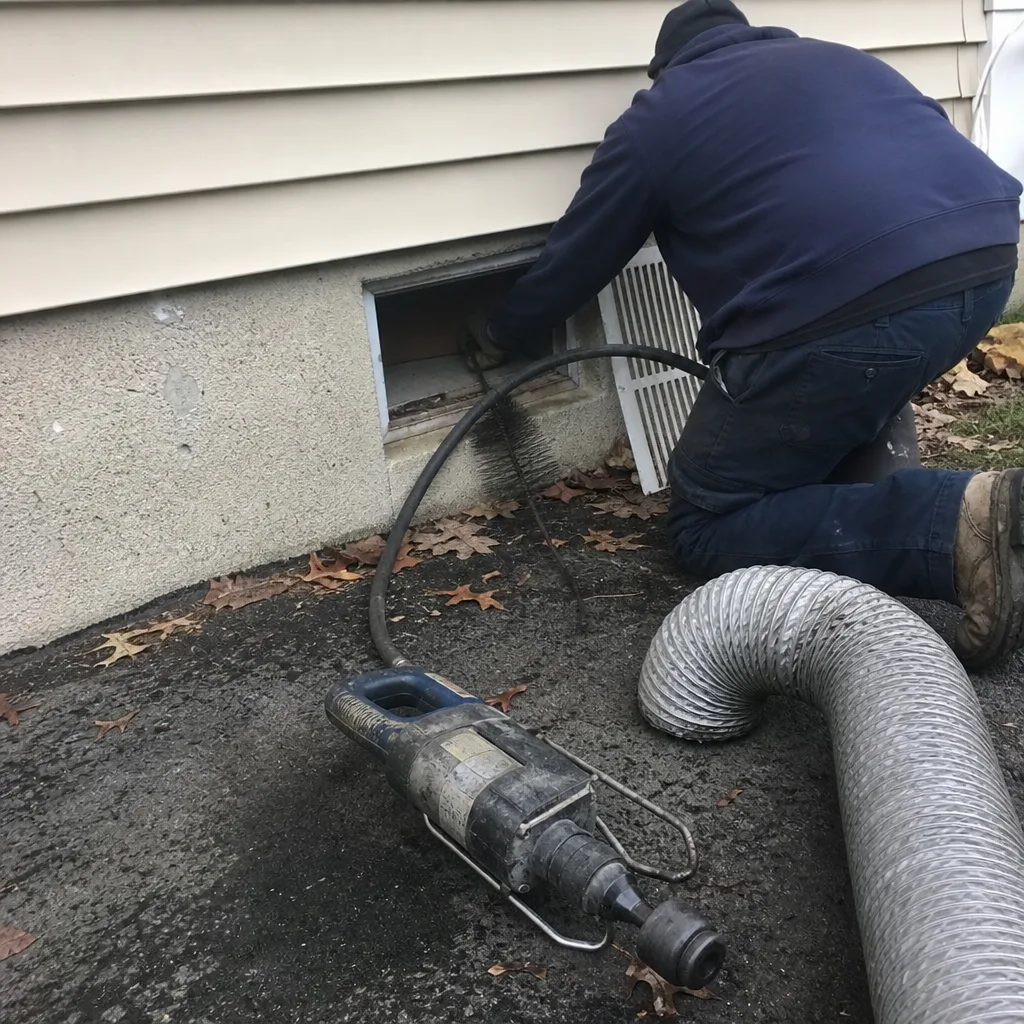
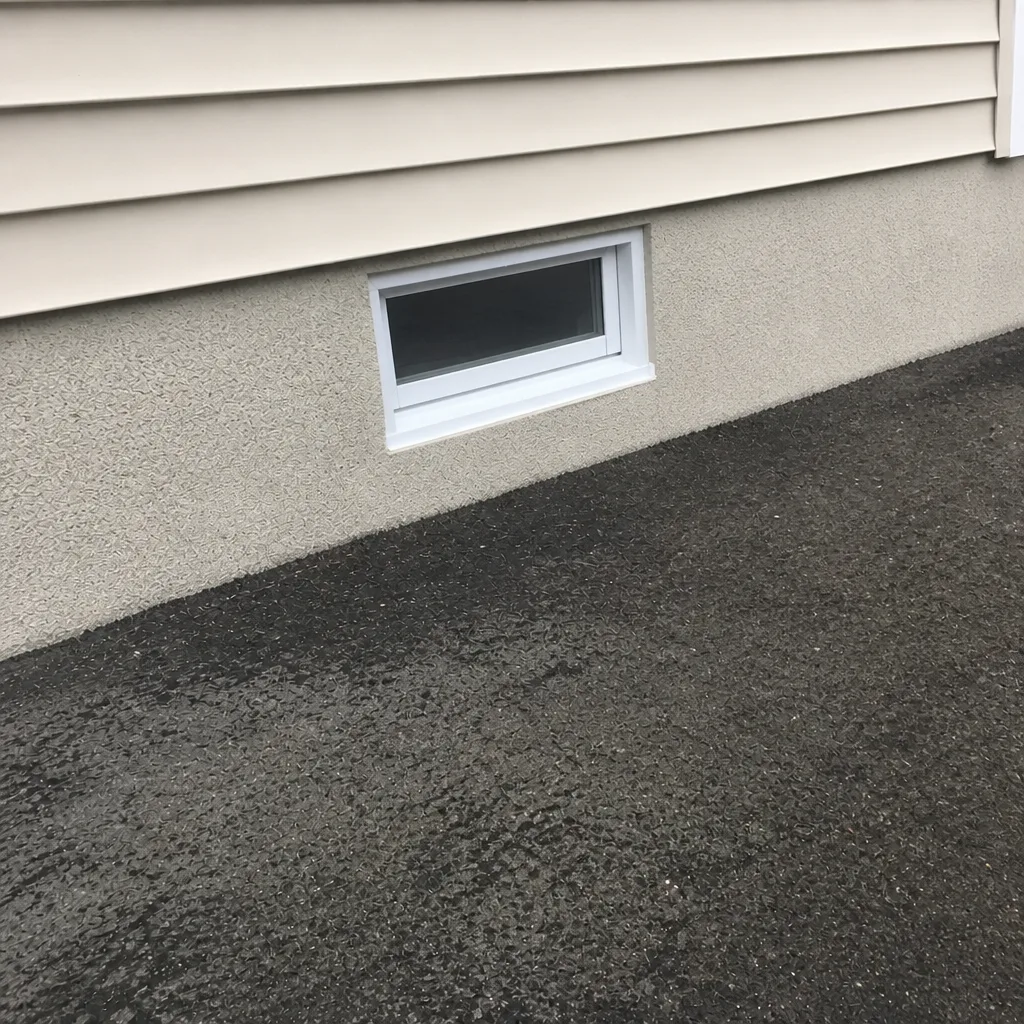
Whole-system duct and dryer vent check with before-and-after photos - you see exactly what came out of your vents
That "$99 whole-house special" is a bait ad - the real number appears once they are in your hallway, or the "clean" is a shop-vac at the register. We photograph the inside of your ducts before and after instead.
Seasonal Air Duct Cleaning Care for Waterbury: Year-Round Homeowner’s Guide
Scheduling a duct cleaning in January means the heating season has already pushed three months of recirculated air through whatever your ducts have been holding since fall. By then, you’ve breathed everything the system had to offer. Most guides treat duct cleaning as a once-a-year chore with no real timing. In Waterbury, timing is the whole point. Four distinct seasons deposit four different loads of debris, and each one behaves differently once it’s inside the ductwork. This guide walks through what each season leaves behind, why the late-September to early-October window does the most good, and how to hold the line between professional cleanings. You’ll finish knowing when to schedule, what to check yourself, and what to leave to a specialist with the right equipment.
Quick Answer
The best time to clean air ducts in Waterbury is late September to early October, after summer humidity has dried out of the system and before the heating season starts pushing air through the ducts for months on end. Spring pollen, summer moisture, and fall leaf debris all accumulate in the same duct trunks, and cleaning before winter removes the whole season’s load in one pass. Between professional visits, filter changes and humidity control do most of the maintenance work.
Styles & brands we work with
- Whole-home duct cleaning
- Dryer vent cleaning
- Camera inspection
- Sanitizing & deodorizing
Table of Contents
- Why Waterbury’s Four Seasons Stress Ductwork Differently
- What Each Waterbury Season Leaves in Your Ducts
- The Case for a Late-September or Early-October Cleaning
- How to Prep Your Ducts Between Professional Cleanings
- Dryer Vent Risk Peaks in Winter: Put It on the Fall Checklist
- Waterbury’s Tree Canopy and Older Housing Stock Raise the Debris Load
- Signs Your Ducts Are Overdue for Cleaning
- How We Schedule a Seasonal Cleaning in Waterbury
Why Waterbury’s Four Seasons Stress Ductwork Differently
Waterbury sits in a climate with real seasonal shift: humid summers, cold winters, and a spring and fall that each bring their own debris. That pattern matters because ductwork doesn’t just carry air, it collects what the air carries. A system that runs heat all winter and air conditioning all summer is pulling in different particles each season, and none of them share the same behavior once they settle.
Spring pollen is fine and sticky. Summer moisture makes it heavier and encourages biological growth on damp surfaces. Fall leaf debris is coarse and gets drawn toward outdoor intakes. Winter heating pulls fine combustion particles and dust through the same runs, hour after hour. Cleaning once at the right time removes the combined load. Cleaning at the wrong time leaves last season’s deposits circulating through the next one.
In our experience working on duct systems around the city, homeowners often assume the ducts are self-cleaning because the furnace filter catches everything. It doesn’t. The filter catches a fraction, and the rest settles along the trunk lines and branch runs where the filter can’t reach. Waterbury homes with forced-air systems feel this more because the equipment runs hard in two seasons rather than one.
What Each Waterbury Season Leaves in Your Ducts
Each season deposits a specific type of debris, and knowing what each one does helps you understand why timing a cleaning matters more than frequency.
Spring: Pollen Infiltration
Spring in Waterbury brings tree and grass pollen that drifts in through return-air intakes and open windows. Pollen particles are small enough to pass through standard filters and stick to the moisture film on duct surfaces. Over the spring months, that layer builds up on the same runs the system reuses all summer. If someone in the house has seasonal allergies that seem to linger past the pollen count, the ducts are often part of the reason.
Summer: Humidity and Mold-Spore Risk
Summer air conditioning cools the duct interior, and cool surfaces meet humid outdoor air at the returns. That’s the condition where mold spores can settle and grow on damp dust. Waterbury summers are humid enough that condensing on return plenums and branch runs is common. This is the season when musty odors first appear, and it’s why cleaning before the system sits through another humid season makes a difference.
Fall: Leaf Debris Near Outdoor Intakes
Fall leaf litter around exterior intakes and fresh-air vents gets pulled into the system with the intake air. Coarse leaf debris and seed matter accumulate in the runs nearest the outdoor connection and can restrict flow if it’s not cleared. Older Waterbury housing stock often has intake configurations that let this debris in more easily than newer construction.
Winter: Heating-Season Particulates
Winter heating runs the furnace for months, and every cycle moves fine dust, combustion byproducts, and settled particles through the duct network. Those particles recirculate instead of venting. Cleaning in October gets the fall load out before winter pushes it around; cleaning in January just means you’ve been breathing it since November.
The Case for a Late-September or Early-October Cleaning
The single best window for an air duct cleaning in Waterbury is late September through early October. Here’s why that timing works better than any other:
- Summer humidity has dried out. The moist conditions that encourage mold-spore growth are past, so the cleaning removes growth and not just dust.
- Fall leaf debris has already arrived. Cleaning in October captures the leaf matter that accumulated during September, before it gets pushed into the system by winter airflow.
- Winter heat hasn’t started running. The full winter heating load gets a clean system from the first cold snap.
- You have a fresh baseline. A cleaning this time of year means you can track what the system collects over the next season and adjust the filter schedule accordingly.
- Dryer vent cleaning belongs in the same visit. Fall is also when winter dryer back-drafting creates lint issues, so pairing the two services saves a second appointment.
The window is short for a reason. Slip past mid-October and the first heating cycle will stir up the fall dust before you’ve cleaned it. We schedule heavily in those first weeks because homeowners who understand this timing all want the same slot. If you’ve missed the window this year, a cleaning in early spring after the heating season ends still removes the winter load before summer cooling starts. It’s not the same as the fall window, but it’s better than waiting another year.
How to Prep Your Ducts Between Professional Cleanings
Professional cleaning resets the system. What happens in the months between visits determines how much builds up before the next one. Three simple season-specific habits cover the gap.
Upgrade Filters for Pollen Season
Switch to a filter rated for fine particles during spring. The filter is the front line for pollen infiltration, and a mid-grade pleated filter catches more of the smaller material than a basic fiberglass panel. Replace it on schedule as the season progresses, not just when it looks dirty, because pollen loads build gradually.
Manage Humidity in Summer
Summer humidity is the biggest driver of duct moisture. Keep indoor humidity in check with a dehumidifier or a well-maintained air handler, and don’t let the system run with a clogged filter that forces the blower to work harder and move less air. A dry duct system is a duct system that resists growth.
Inspect Outdoor Intakes in Fall
Walk the exterior of the house in fall and check that intakes aren’t buried in leaves or blocked by debris. Clear leaf litter away from fresh-air vents and any exterior duct terminations. This is a short chore that prevents a disproportionate amount of debris from entering the system.
For homes interested in whole-home air quality between cleanings, we work with Aprilaire and Honeywell filtration products, and can discuss filtration or humidification upgrades at the same appointment as the cleaning. That keeps the seasonal maintenance in one visit rather than scattered across several contractors.
Dryer Vent Risk Peaks in Winter: Put It on the Fall Checklist
Winter is the highest-risk season for a dryer vent, and most homeowners don’t think about it until the dryer is taking too long. Cold outdoor air meeting the warm vent creates a back-drafting condition. When that back-drafting pushes lint back up the vent, it compresses against vent walls, and the compressed lint becomes the fuel that a dryer fire needs. Fall is the point to clear it, before the cold settles in and the condition starts.
The visible signs are on the appliance itself. Longer dry times are the first one. A dryer that used to finish a load in one cycle and now needs two is often telling you the vent is restricted. Heat and lint building up together is a genuine fire risk, and this is a service that belongs on the fall checklist alongside the duct cleaning. We handle dryer vent cleaning in the same visit as duct cleaning, which keeps the seasonal maintenance loop complete.
This is also where professional equipment matters. A shop vac can pull loose lint from a vent, but it won’t reach compressed lint farther down the run. We use Nikro vacuum equipment with the reach to extract it, and the containment to keep what comes out from spreading through the home.
Waterbury’s Tree Canopy and Older Housing Stock Raise the Debris Load
Not every city has to deal with the same seasonal debris load, and Waterbury’s tree canopy and housing stock put it above average. The city is heavily wooded, and that canopy is lovely for shade in summer. It also means more pollen in spring and more leaves in fall than a sparser neighborhood would see, and both of those feed the duct system.
Older housing stock compounds the effect. Many Waterbury homes have original duct trunks: long runs with fewer branch connections, sometimes with interior surfaces that have accumulated particles over many decades of seasonal cycling. Those trunks collect debris in ways a newer, tighter system doesn’t. The runs hold more material per season, and they also tend to have fewer access points, which is why proper cleaning matters more than a light surface pass.
We work with Abatement Technologies containment equipment specifically because older duct runs hold more loose material. Negative-pressure containment keeps what we extract from spreading through the home while it’s being removed. Older homes also sometimes need duct repair as part of the job: seams coming apart, connections losing their seal. Rather than hand that off to another contractor, we handle air duct cleaning and repair together. That’s part of why our scope stays tight to duct systems. Every job is core business here, not a sideline add-on.
Signs Your Ducts Are Overdue for Cleaning
Seasonal timing is a framework, but the physical signs of a dirty system are the best indicator of whether you’ve waited too long. Any of these warrants a closer look:
- Musty or stale odors when the system first comes on in the morning or after a week away.
- Allergy symptoms that don’t clear even when the pollen count is low and windows are closed.
- Visible dust plumes from supply registers when the blower starts.
- Inconsistent heat or airflow from room to room, which can signal restricted branch runs.
- A recent renovation, which leaves drywall dust and construction particles in the system.
- Leaves or debris visible near outdoor intakes or inside return plenums.
- A dryer that takes two cycles to finish a normal load.
If more than one of these is true, don’t wait for the seasonal window. Call, schedule a walkthrough, and get a clear assessment. The earlier a system gets cleaned, the less that circulates through winter.
How We Schedule a Seasonal Cleaning in Waterbury
If you’ve decided the timing is right, here’s how the process runs from the first call to the finished job:
- Call and describe the home. System type, rough home age, whether the dryer vent is on the list, and whether anyone in the household has allergy symptoms. That helps us plan the right equipment for the visit.
- Get a written estimate. The price is set per job by the written estimate before any work starts. No per-vent pricing, no surprises once we’re on site.
- Confirm the appointment. We answer 24/7 for scheduling. Our technicians have up to 9 years of experience working on duct systems, and the same team handles cleaning and any repair the system needs.
- On arrival, we contain the work area. Abatement Technologies equipment establishes negative-pressure containment, so the debris we remove doesn’t spread through the home.
- Clean with professional-grade equipment. Our Rotobrush brush-system and Nikro vacuum lines agitate and extract debris from the full duct run, not just the visible surface.
- Clean the dryer vent if it’s on the list. Same visit, same containment, same team.
- Inspect and photograph. Before-and-after photos of the duct interior show what was removed, so you can confirm the work is done.
- Recommend any repair or upgrade. Loose seams, disconnected runs, or filtration upgrades (Aprilaire, Honeywell, or Guardsman products) get flagged with photos and a written scope.
Common Mistakes to Avoid
- Cleaning mid-winter instead of fall. A January cleaning means you’ve already run three months of heating air through dirty ducts. By the time the cleaning happens, the winter load has been circulating all season. Aim for late September or early October.
- Skipping the dryer vent on the fall checklist. Winter back-drafting compresses lint in the vent, and cold-season conditions make it worse. Clear it before winter, not after a dryer starts taking two cycles.
- Using a shop vac or handyman “cleaning.” Consumer-grade tools move dust around rather than extracting it. Containment and professional-grade extraction are what make a duct cleaning effective, and a shop vac provides neither.
- Ignoring outdoor intakes in fall. Leaf litter around exterior vents and fresh-air intakes gets pulled into the system with the outdoor air. A quick clean-up protects the runs inside.
- Running a clogged filter into the heating season. A restricted filter forces the blower to work harder, moves less air, and leaves more settled debris in the ducts. Change it on schedule, especially in spring and fall.
- Separating cleaning from repair. Older Waterbury duct trunks often need seam repair, and a cleaning that doesn’t address it just cleans around the problem. Choose a team that handles both.
- Waiting for a musty smell to clean. Odor is a late warning sign. By the time you smell musty dust, the system has likely been circulating it for weeks.
See the difference
 Before
 After
 Before
 After
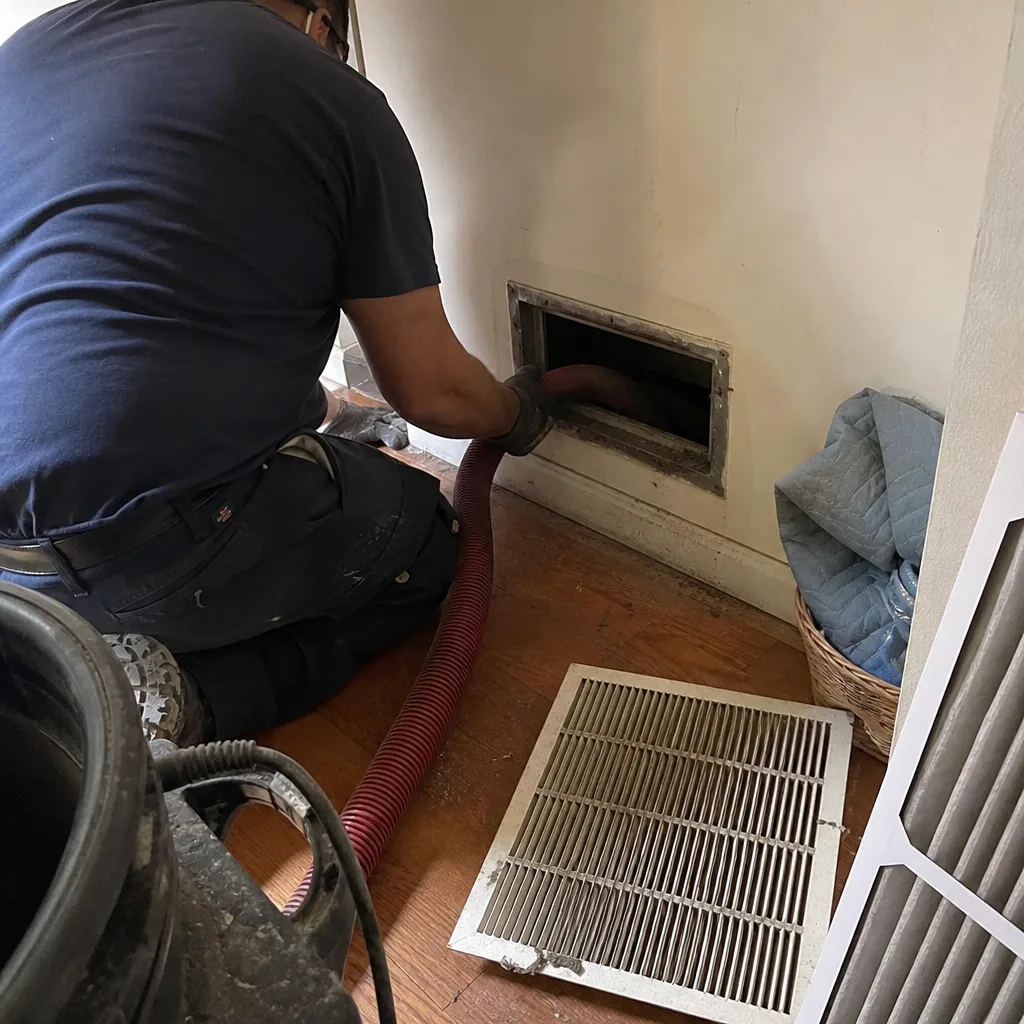 Before
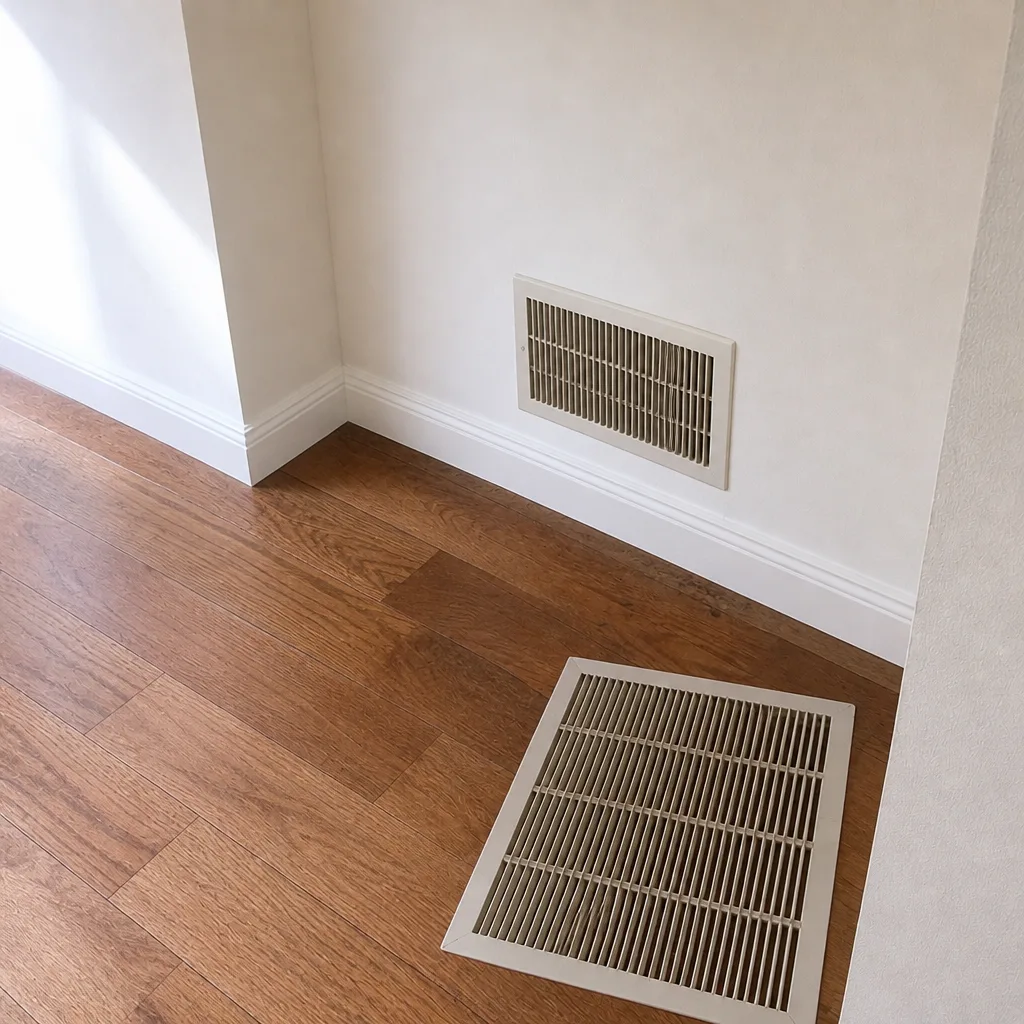 After
When to Call a Professional
Some seasonal maintenance belongs on your own checklist: filter changes, intake inspection, keeping outdoor vents clear of leaves. But the work inside the duct system needs proper equipment and containment. Call a professional if you notice musty odors on system start-up, worsening allergy symptoms with the windows closed, visible dust from supply registers, a dryer that takes two cycles to dry a load, or ductwork that’s been in place for a long time without a cleaning. If you’ve had a renovation or moved into an older Waterbury home, an assessment before the fall cleaning window makes sense. Duct Cleaning Waterbury offers free estimates in Waterbury, and we can be reached at (844) 619-2446. We answer 24/7. Fast dispatch from 7am to 7pm, Sunday through Friday, closed Saturday.
Frequently Asked Questions
Air duct cleaning in Waterbury is priced per job by a written estimate, based on the number of runs, system type, and whether a dryer vent is included. The estimate is free, and the written price is the final price, agreed before any work starts. Some companies quote a low teaser price and shift the number once they’re on site; our price is set at the written estimate, with before-and-after photos to show what was done. Call (844) 619-2446 for an exact quote. Estimates are free.
Late September to early October is the best window. By then, summer humidity has dried out of the system, and fall leaf debris has already arrived, so one cleaning removes the whole season’s load. It also puts a clean system in place before winter heating runs for months. If you miss the window, early spring after heating season ends is the next best option.
Low quotes usually reflect consumer-grade tools and no containment, which means dust gets moved around instead of extracted. A shop vac doesn’t reach compressed debris in the duct run, and without negative-pressure containment, the material stays airborne in the home while it’s being disturbed. Professional-grade equipment and proper containment are where the cost difference comes from. Call (844) 619-2446 to talk through what a real cleaning involves.
Ask for before-and-after photos of the duct interior. We photograph the runs before and after the cleaning so you can see what came out and what the system looks like once it’s clean. That’s the standard we hold to as a specialist.
For most Waterbury homes, once a year around the fall window is the right cadence, with a second visit if you’ve had a renovation, noticed stronger allergy symptoms, or moved into an older home with original duct trunks. Homes in heavier tree canopy neighborhoods may need more attention in fall. Between cleanings, filters and humidity control do most of the work. Call (844) 619-2446 to schedule an assessment and get a clear recommendation.
Yes. Cold outdoor air meeting the warm vent creates back-drafting, and back-drafting compresses lint against the vent walls. Compressed lint is the material a dryer fire feeds on. Fall is the right time to clear it, before the cold season starts the condition. We handle dryer vent cleaning in the same visit as duct cleaning, so the fall checklist gets done in one appointment.
The Bottom Line
Seasonal timing is the part of duct cleaning most guides skip, and for Waterbury it’s the difference between a real reset and another year of circulating the same debris. Spring pollen, summer humidity, and fall leaf debris all build up in the same duct system, and winter heating pushes whatever’s there through the home for months. Clean in late September or early October, and the whole seasonal load comes out at once. Add dryer vent cleaning to the fall visit, keep filters fresh and humidity down between cleanings, and watch for the warning signs. Duct Cleaning Waterbury works on Waterbury duct systems with Rotobrush and Nikro equipment and Abatement Technologies containment, so the work is done with the right tools for the job. Call (844) 619-2446 for a free estimate. We answer 24/7. Fast dispatch from 7am to 7pm, Sunday through Friday, closed Saturday.
Written by the team at Duct Cleaning Waterbury.