
Last updated November 16, 2026
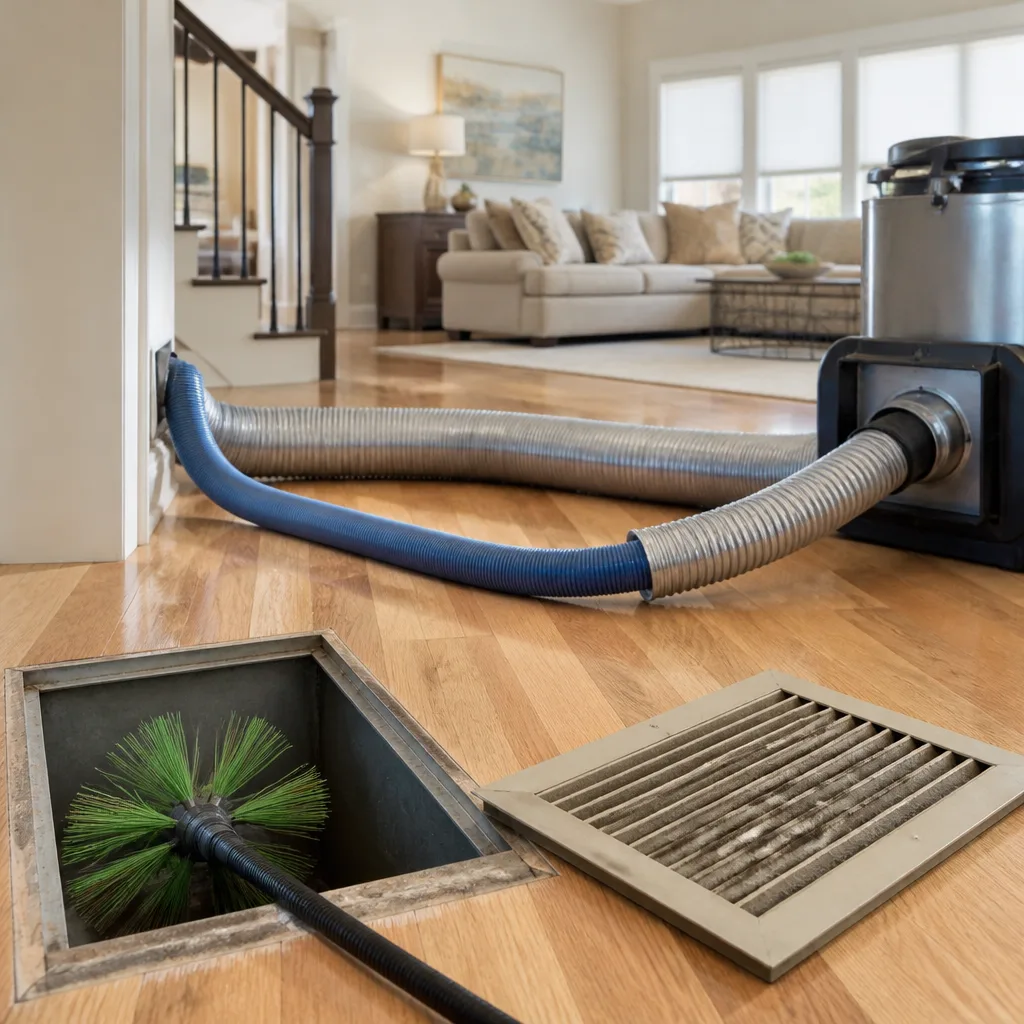 Whole-home duct cleaning
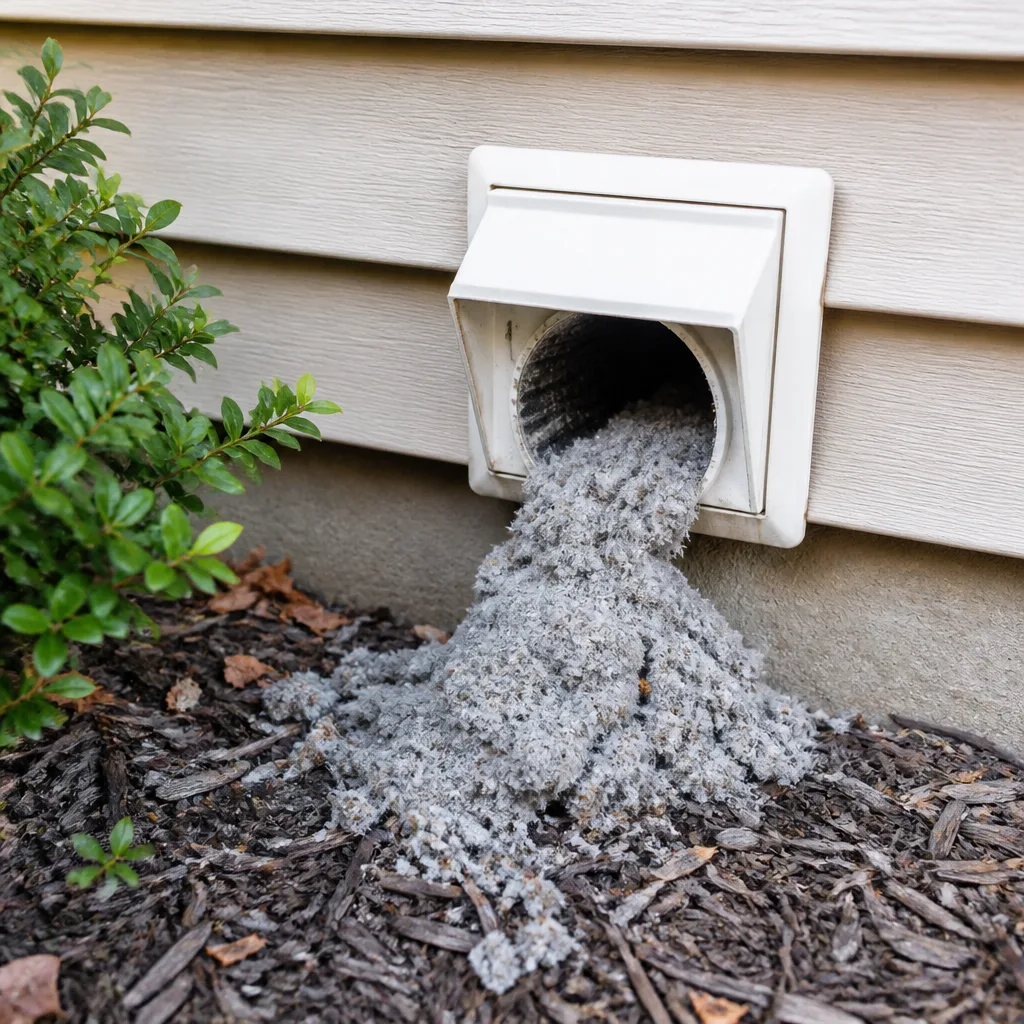 Dryer vent cleaning
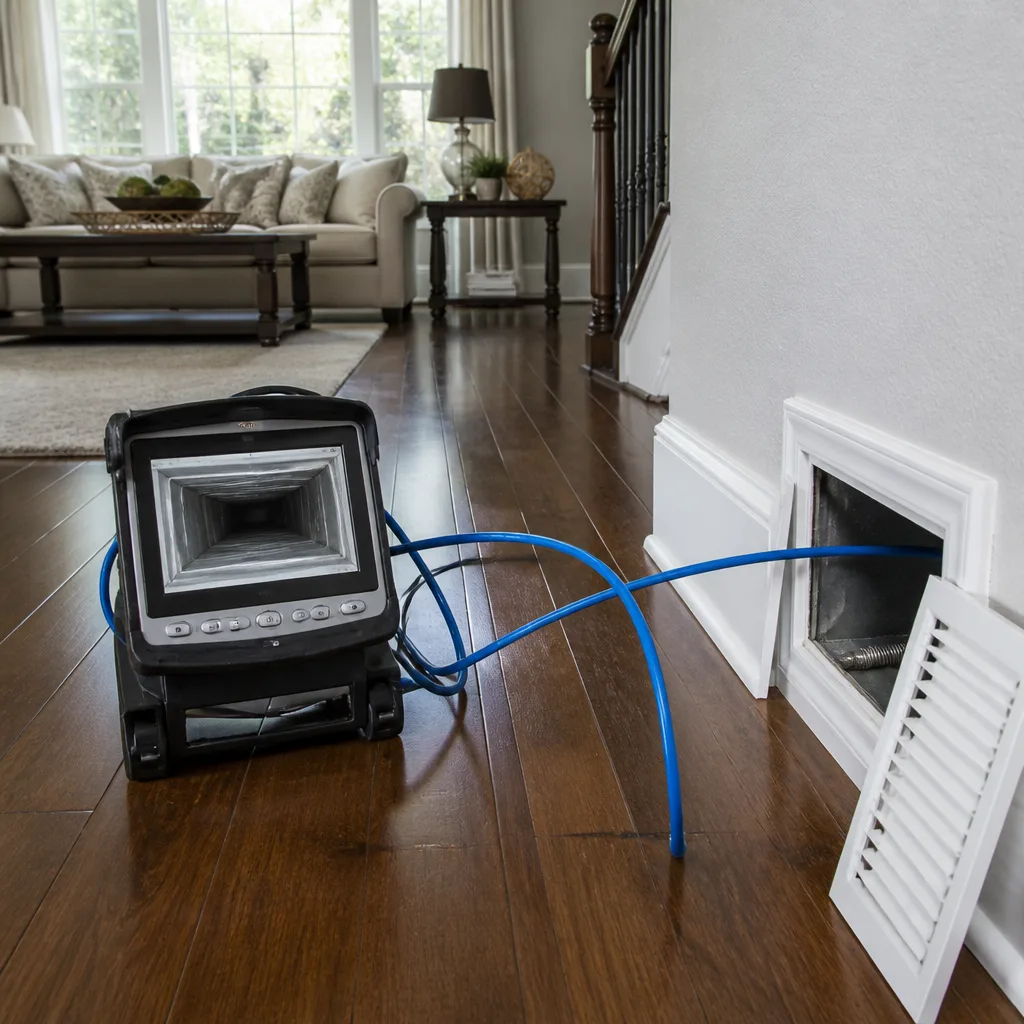 Camera inspection
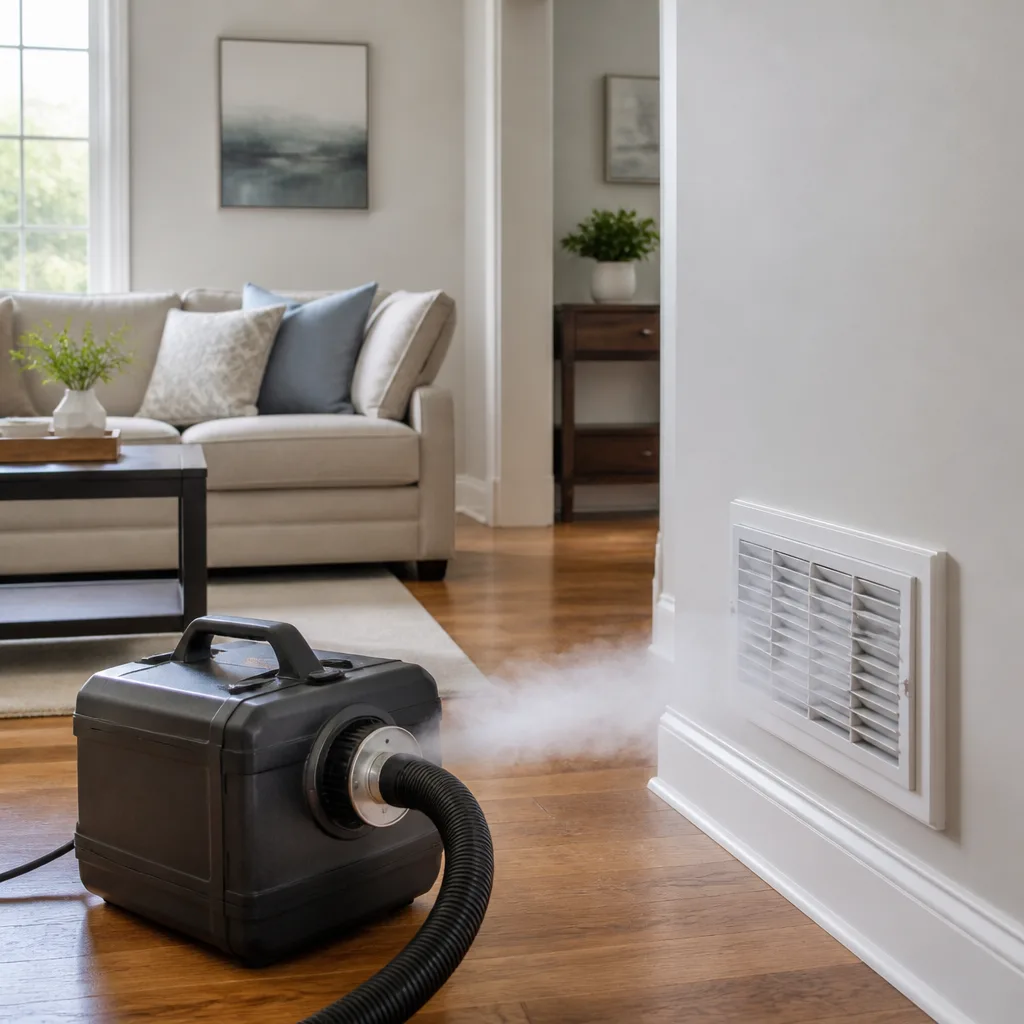 Sanitizing & deodorizing
Whole-system duct and dryer vent check with before-and-after photos - you see exactly what came out of your vents
That "$99 whole-house special" is a bait ad - the real number appears once they are in your hallway, or the "clean" is a shop-vac at the register. We photograph the inside of your ducts before and after instead.
Air Duct Cleaning Maintenance Checklist for Waterbury Homeowners
The dirtiest duct systems we see aren’t always the oldest ones. They’re the ones that were cleaned once, years ago, and then forgotten. No record of what was done, no photos, no filter log, no idea whether the last truck did real mechanical work or just waved a vacuum at a register. A single cleaning is a reset, not a routine. What actually keeps ductwork healthy is a maintenance rhythm built around your specific house and the way Waterbury weather treats it. This guide gives you that rhythm as a checklist: what to check monthly, what to handle annually, what belongs on a 3-to-5 year cycle, and how to document all of it so you’re never guessing about the next interval.
Quick Answer
Air duct maintenance for a Waterbury home breaks into three tiers: monthly (filters and register airflow), annual (visual inspection of registers and the dryer vent line), and every 3 to 5 years (a full mechanical cleaning by a duct specialist). Track the results in a simple log with dates and photos so you can see the pattern instead of relying on memory. Homes with basement dampness, recent renovations, or an oil-to-gas furnace conversion should shorten that interval.
Styles & brands we work with
- Whole-home duct cleaning
- Dryer vent cleaning
- Camera inspection
- Sanitizing & deodorizing
Table of Contents
- The Three-Tier Duct Maintenance Checklist
- Monthly: Filters and Register Airflow
- Annual: Visual Registers and the Dryer Vent Line
- Every 3 to 5 Years: Full Mechanical Cleaning
- Waterbury Triggers That Shorten Your Schedule
- How to Document Duct Condition Over Time
- Dryer Vent Checklist Items Most Guides Skip
- Warning Signs That Need a Contractor, Not a Fix
The Three-Tier Duct Maintenance Checklist
Most homeowners treat duct care as a single event, which is why the timing gets fuzzy fast. Breaking it into three tiers fixes that. Each tier has a different owner, a different tool, and a different purpose. Monthly checks belong to you. Annual checks belong to you with a flashlight. The multi-year cycle belongs to a trained technician with professional-grade equipment.
Here’s the framework in one place:
- Monthly (you, no tools beyond a filter and a hand): Replace or clean the filter, check that every register has steady airflow, and note anything that feels weak, warm, or unusually dusty.
- Annual (you, with a flashlight and 20 minutes): Look inside a few registers for dust buildup patterns, inspect the dryer vent from the trap to the exterior hood, and confirm the outdoor flapper opens and closes freely.
- Every 3 to 5 years (a duct specialist, with a mechanical brush system and a containment vacuum): A full cleaning that scours the duct walls, agitates settled debris, and pulls it into a HEPA-filtered vacuum while the house stays under negative pressure.
That third tier is where the trade divides. Some companies show up with a shop vac and a hose. Others run a Rotobrush brush system or a Nikro vacuum rig that can actually reach the full length of the trunk lines and agitate the material stuck to the walls. If you’re going to spend money every few years, it’s worth knowing which kind of equipment is coming through the door. You can review what a proper air duct cleaning job should include before you book.
Monthly: Filters and Register Airflow
The monthly tier is the one that saves you money, because a dirty filter is the single most common cause of a duct system that seems to clog faster than it should. When the filter stops catching, the debris goes into the ductwork instead of the trash can. That’s a five-minute check that pays off across the whole cycle.
Filter check: Hold the filter up to a light. If you can’t see light through it, replace it. Standard 1-inch filters in most Waterbury homes are rated for roughly 1 to 3 months, and homes with pets or a lot of nearby construction dust will land on the shorter end. If you’ve upgraded to a thicker media filter or an Aprilaire cabinet-style filter, the interval stretches, but check monthly anyway so you learn your house’s pattern.
Register airflow check: With the system running, hold your hand at each supply register and note the strength. Then walk the same register at a different time of day. What you’re looking for isn’t perfect consistency, it’s change. A register that used to blow hard and now blows soft, or one room that never heats the way the rest do, is telling you something. It might be a closed damper, a crushed flex run behind drywall, or a disconnected joint in the basement.
Write the strength down as strong, medium, or weak. Next month, compare. A pattern of weakening across one branch of the system is exactly the kind of early signal a homeowner can catch and a technician can act on.
- Hold filter to light: pass or replace
- Hose off an outdoor unit’s intake area of leaves and lint
- Hand-test every supply register and note strength
- Look at the return grille for visible dust matting
If you’re in a two-family or a rental in Waterbury, this monthly sheet is also your tenant communication tool. A dated log ends arguments about who was supposed to change the filter.
Annual: Visual Registers and the Dryer Vent Line
Once a year, take a flashlight and a phone camera and do a proper walkthrough. The goal isn’t to clean anything. It’s to look and record. Twenty minutes of looking gives a technician far more to work with than a vague memory of “seems okay.”
- Pull a few registers. Not all of them, but three or four in different parts of the house. Shine the light down the run. You’re looking for even dust film (normal) versus fuzzy matting, dark streaks, or debris piled at a joint (not normal).
- Photograph the inside of each register with the measuring tape in frame, so the photos are comparable year to year.
- Inspect the dryer vent line from the back of the dryer to the wall, and again at the exterior hood. Check that the flexible connector isn’t crushed or kinked and that the exterior flapper swings free.
- Clean the dryer’s lint trap housing with a vacuum nozzle, not just the removable screen. Lint packs the housing walls and builds up at the first elbow.
- Look at the basement and attic trunk lines for sagging flex duct, disconnected sections, or duct tape that’s peeling away from a joint.
The dryer vent portion of this annual check matters more than most people realize. A dryer running longer than it used to, clothes that come out hot but still damp, or a laundry room that smells faintly of warm lint are all signs of a restricted line. If any of that sounds familiar, dryer vent cleaning by a specialist with the right tools clears the full run, not just the section you can reach.
Every 3 to 5 Years: Full Mechanical Cleaning
This is the tier most people skip, and it’s the one that actually resets the system. A full mechanical cleaning is not the same thing as vacuuming a register. Here’s what a proper job involves, so you know what you’re buying:
- Containment setup first. Professional work uses negative-pressure containment – that’s what Abatement Technologies equipment is for – so the debris is pulled into a filtered vacuum instead of drifting into your living room while the work happens.
- Mechanical agitation. A rotating brush system such as Rotobrush runs through each branch line and the trunk, scouring material off the duct walls. A vacuum alone pulls loose dust but leaves the film that keeps regenerating.
- High-volume extraction. A Nikro-class vacuum pulls the agitated debris out of the system into a contained filter.
- Register and grille cleaning. Supply and return covers come down and get cleaned separately.
- Before-and-after documentation. Good technicians photograph the inside of the ductwork before and after, so you can see the difference yourself.
A duct cleaning done this way is a once-every-3-to-5-year expense for a typical Waterbury home with no special triggers. A house with a pet, a woodshop, or a lot of foot traffic in the basement may land closer to the 3-year mark. A tight, filtered, low-occupancy house can comfortably go toward 5. The point of the interval isn’t a formula – it’s the number of months it takes your specific system to rebuild the dust load. Which is why the documentation tier matters as much as the cleaning tier.
Waterbury Triggers That Shorten Your Schedule
The 3-to-5-year rule is a baseline, not a law. A handful of local conditions will push your next cleaning forward, and knowing them saves you from guessing. In our experience across Waterbury homes, these are the four that most often move the date up:
- Basement dampness. Waterbury’s older housing stock frequently has damp basements and original fieldstone foundations. Damp air feeding a duct system is a much bigger deal than dry air, because moisture lets dust settle and stick to duct walls instead of blowing through. If your basement smells musty in humid months, your duct cleaning interval should be closer to 3 years and you should think about a dehumidifier in parallel.
- Oil-to-gas furnace conversion residue. Homes that were converted from oil to gas often carry a residue in the first stretch of ductwork that behaves differently than normal household dust. It tends to be darker and clingier, and it responds much better to a mechanical brush cleaning than to a vacuum-only pass. If your house was converted and has never had a mechanical cleaning since, that’s a strong argument for booking one.
- Renovation dust. Drywall dust, sawdust, and insulation fibers from a renovation will enter the return side of the system whether or not the ducts were sealed off. Always clean the ducts after a major renovation, and don’t wait the full 3 years – the new dust load sets a fresh clock.
- Moved-in dust. A house that sat vacant before you bought it, or a home that changed hands without a cleaning record, resets to zero on the checklist. Start the count from your move-in date.
Each of these is a reason to shorten the cycle, not a reason to panic. The checklist is there to make the decision concrete instead of anxious.
How to Document Duct Condition Over Time
This is the part almost everyone misses, and it’s the part that makes the whole checklist worth doing. Without a record, every decision about “when should the ducts be cleaned again” is a guess. With a record, it’s an answer.
Build a simple duct system file – a folder on your phone or a binder in the basement. It needs four kinds of entry:
- Filter log. Date and filter type each time you change it. Five seconds of writing. A year from now you’ll be able to see exactly how many changes a year your house needs, which tells you a lot about dust load.
- Register photos. Once a year, the same few registers, with something for scale. Compare year to year with an easy side-by-side.
- Service records. Every cleaning, who did it, when, what equipment was used, and whether you got before-and-after photos. If a previous owner ever had a cleaning done, ask during the sale for the record.
- Symptom notes. Anything you noticed – a weak register, a musty smell, a dryer running long. Date it. Symptoms are the real trigger; a fixed calendar is only a backup.
When you eventually call a specialist, this file turns a vague assessment into a precise one. It also protects you. If a technician says the ducts are “very dirty” and couldn’t possibly wait another year, your record lets you ask what changed since the photos from the last pass. A company using professional-grade equipment should have no problem showing you the before-and-after images that back up the recommendation – and any duct cleaning Waterbury specialist worth hiring will volunteer them without being asked.
Dryer Vent Checklist Items Most Guides Skip
Air duct guides tend to stop at the supply registers, which leaves the dryer vent line unexamined. That’s a gap, because the dryer vent is a duct too, and it’s the one with a lint accumulation problem that builds up faster than any air duct system. Add these five items to your annual list:
- Full-trap vacuum, not just the screen. The removable screen catches most lint, but a layer builds on the inside of the trap housing. Vacuum it at every annual check.
- Check the flexible connector for crushing. The accordion-style connector behind the dryer is where lint builds up first, because it’s the section with the most ribs and the least airflow. If yours is crushed or looped, have it shortened to the correct length.
- Exterior hood check. The flapper on the outside of the house should open freely when the dryer runs and close fully when it stops. A stuck-open flapper means outside air, insects, and sometimes birds get in. A stuck-closed flapper means your dryer is fighting a wall.
- Total run length. Count the length of the vent run from the dryer to the exterior. Long runs with multiple 90-degree elbows fill much faster than a short straight run and should be checked more often.
- Temperature signal. Clothes come out hot but still damp, the top of the dryer feels unusually warm, or the room smells like hot lint. Any of these means the vent is restricted and needs professional attention; don’t wait for the annual check.
If your dryer is running longer than it used to and the trap-and-sock check hasn’t fixed it, the line itself is the problem. That’s a job for a trained technician with a proper vent brush and the ability to clean the full run from the inside – an annual dryer vent cleaning appointment covers all of it in one visit.
Warning Signs That Need a Contractor, Not a Fix
Some checklist findings belong on your own to-do list. Others are a call for a professional, and it’s worth being clear about which is which. If you see any of the following, stop and call a specialist rather than reaching for a roll of foil tape.
- Disconnected or crushed duct in the basement or attic. A disconnected trunk line is dumping conditioned air into unconditioned space and pulling dust into the system. That’s a repair, not a cleaning. This is where a specialist who offers air duct repair as part of the same visit saves you from hiring two contractors.
- Mold inside a duct or on a register grille. Visible mold on duct walls means moisture is feeding the system and the whole picture needs to be looked at, not just cleaned over.
- Pest evidence. Droppings, nesting material, or a chewed flex run means the duct system needs professional treatment before you resume normal airflow.
- Weak airflow across one whole branch of the system. A whole branch going soft points to a blockage or a collapsed run inside a wall – not something a homeowner fixes.
- A dryer vent with a total run so long or inaccessible that you can’t reach the far side. Leave it to a truck with the right brush system and a camera.
- Foundation or basement moisture that keeps returning. Duct cleaning alone won’t fix a wet basement. A specialist can tell you whether the moisture is affecting the ducts, but you’ll want a water-management plan alongside the cleaning schedule.
The line between “I can handle this” and “call a pro” isn’t about competence. It’s about what tools are on hand. A homeowner with a shop vac isn’t equipped to open a trunk line or attack a mold-contaminated duct, and the containment protocols that keep the house clean during the work are exactly what separates a specialist job from a hobbyist one. That’s not a scare tactic – it’s just how duct work actually goes.
Common Mistakes to Avoid
- Treating one cleaning as a lifetime fix. A single cleaning is a reset, not maintenance. Without a schedule and a record, the system quietly fills right back up and you have no way of knowing the interval.
- Replacing filters too rarely (or too often). A filter held past its useful life lets debris past into the ductwork. Changing a filter weekly is just wasteful. Hold it up to the light and let the filter tell you.
- Using a shop vac for a “DIY duct cleaning.” A consumer vacuum can’t agitate settled material off duct walls and doesn’t provide containment, so it moves dust around the house instead of out of it. Professional systems do both.
- Ignoring the dryer vent until the dryer quits. The dryer vent is a duct line and it needs the same annual attention, especially in an older Waterbury home where the vent run may be long and elbows-heavy.
- Missing the moisture connection. If the basement is damp, cleaning the ducts without addressing the moisture just restarts the clock on the same problem. Address the water, then clean.
- Skipping documentation. No filter log, no register photos, no service records: any later recommendation becomes a guess. The record is the difference between a decision and a sales pitch.
- Booking on price alone. A very low quote usually means a shop vac and no containment. Ask what equipment the technician brings before you book.
See the difference
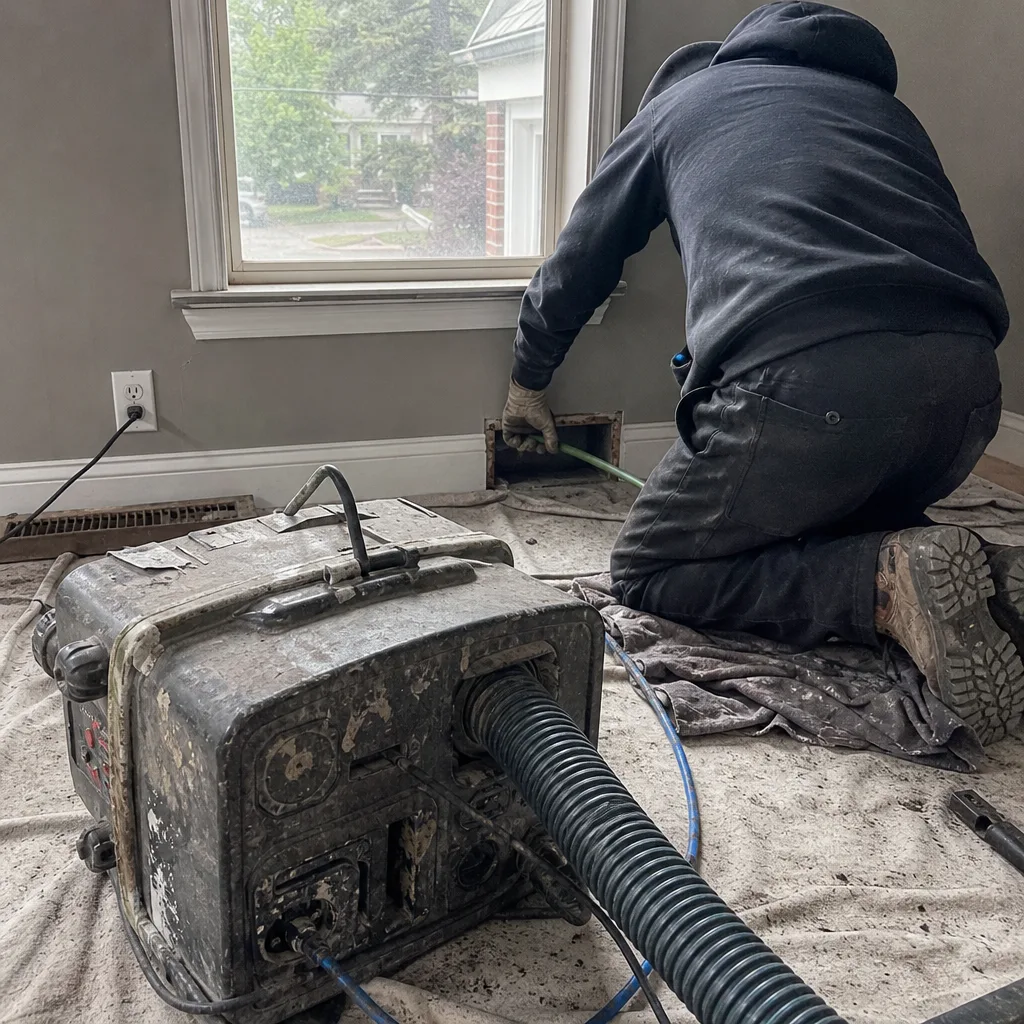 Before
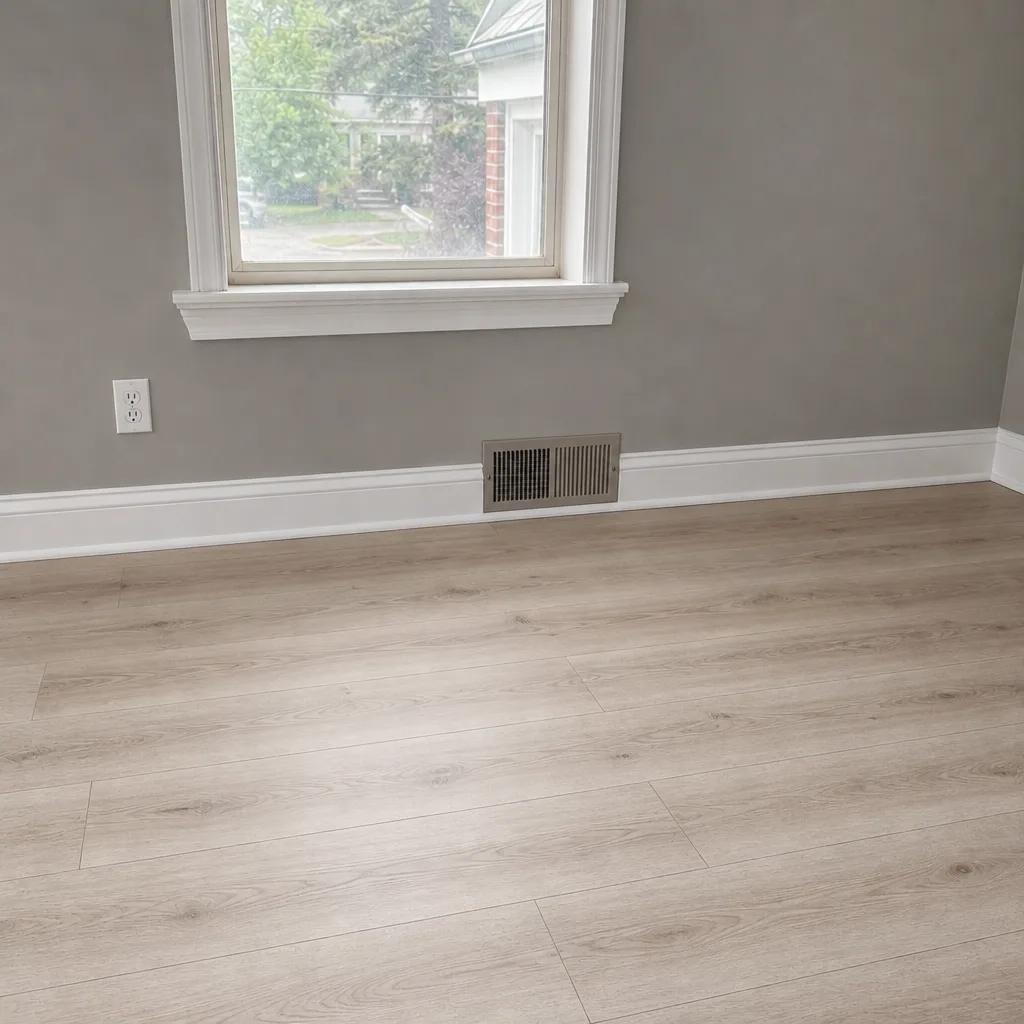 After
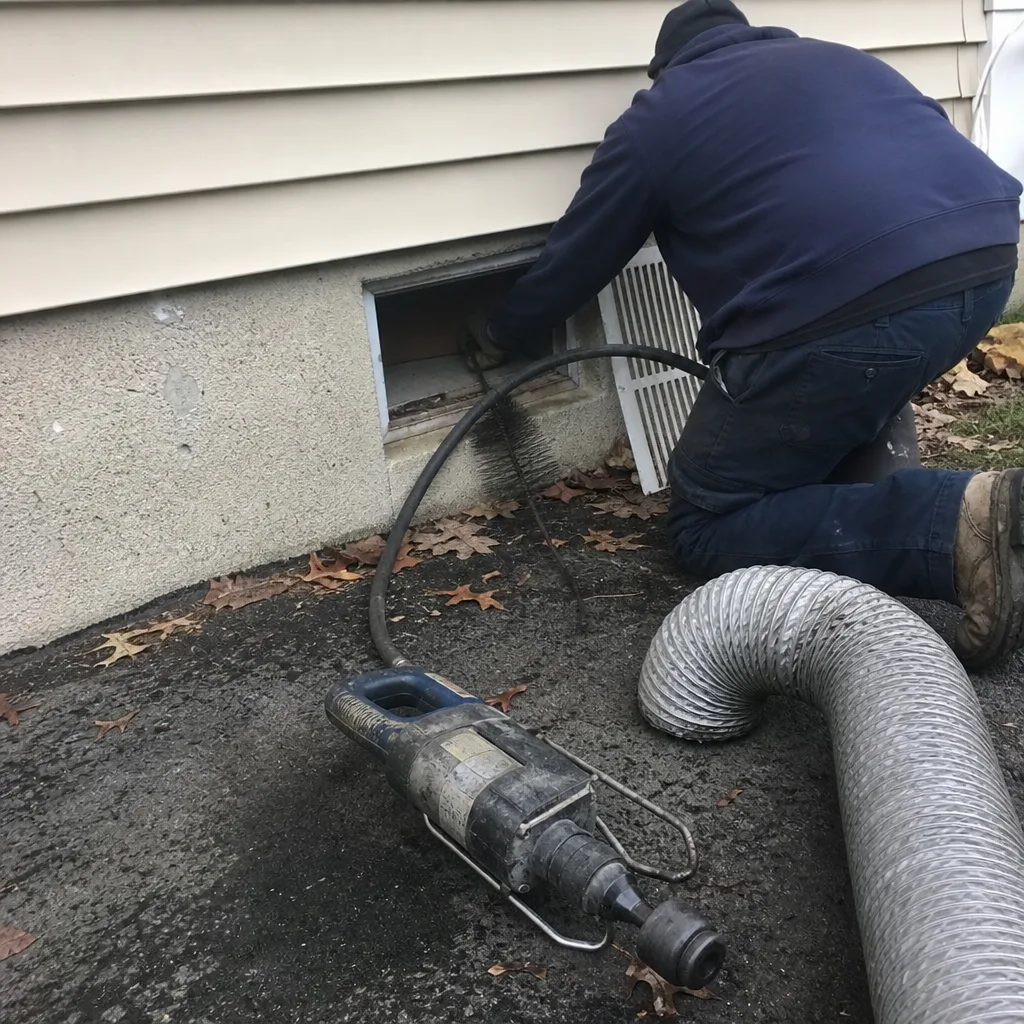 Before
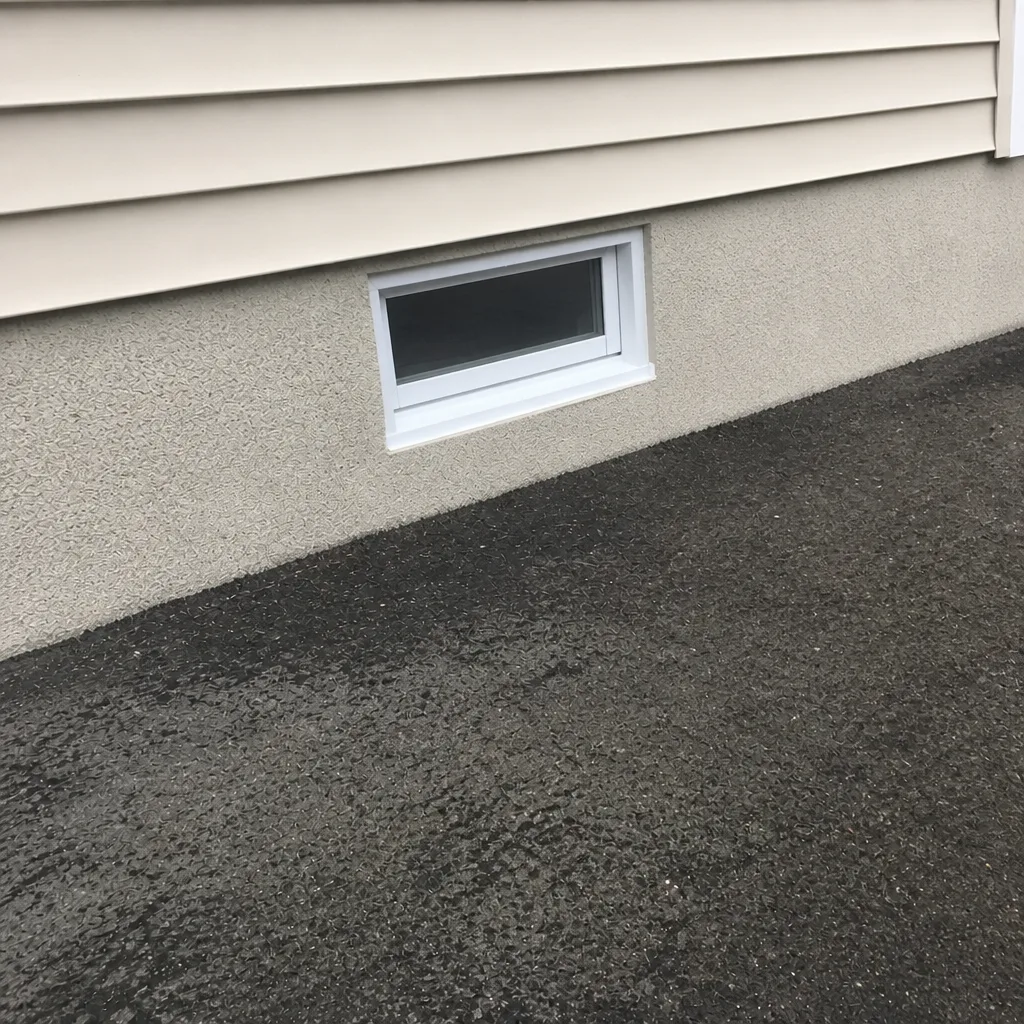 After
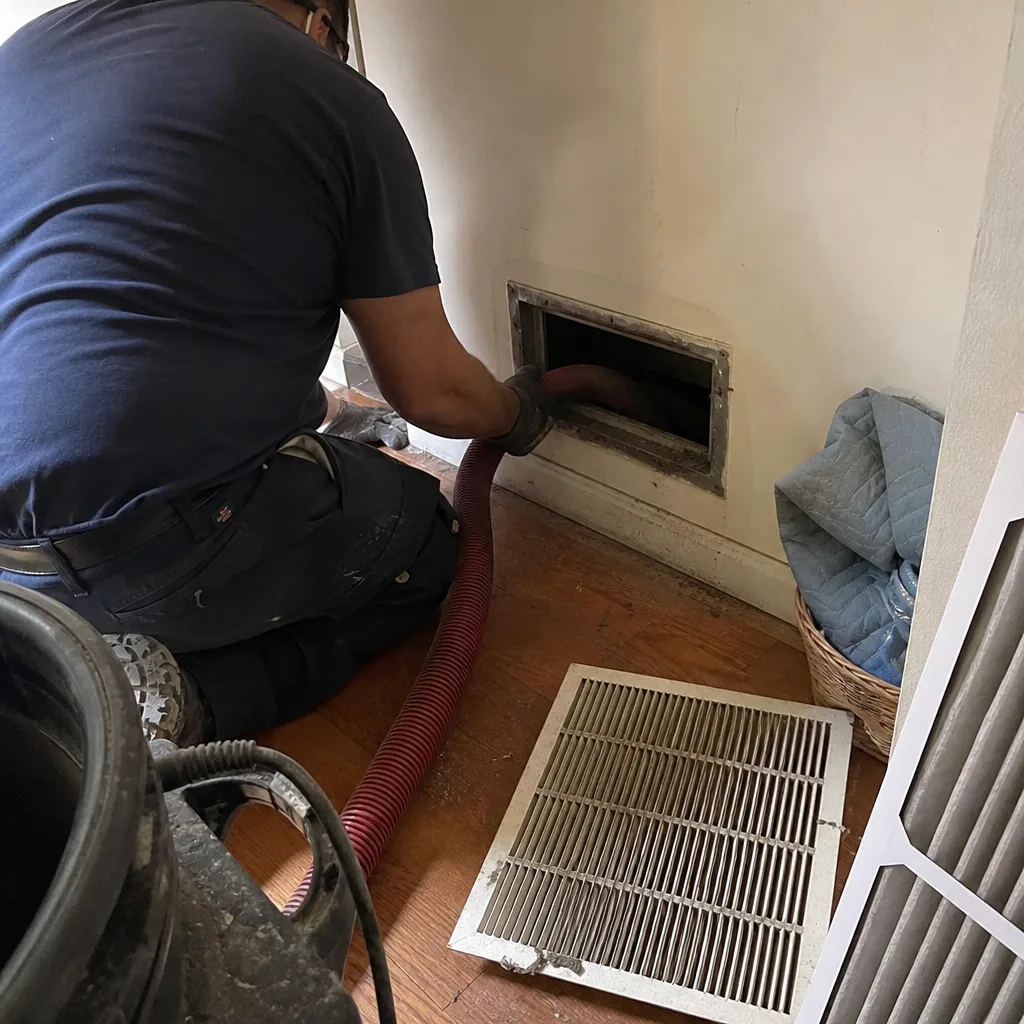 Before
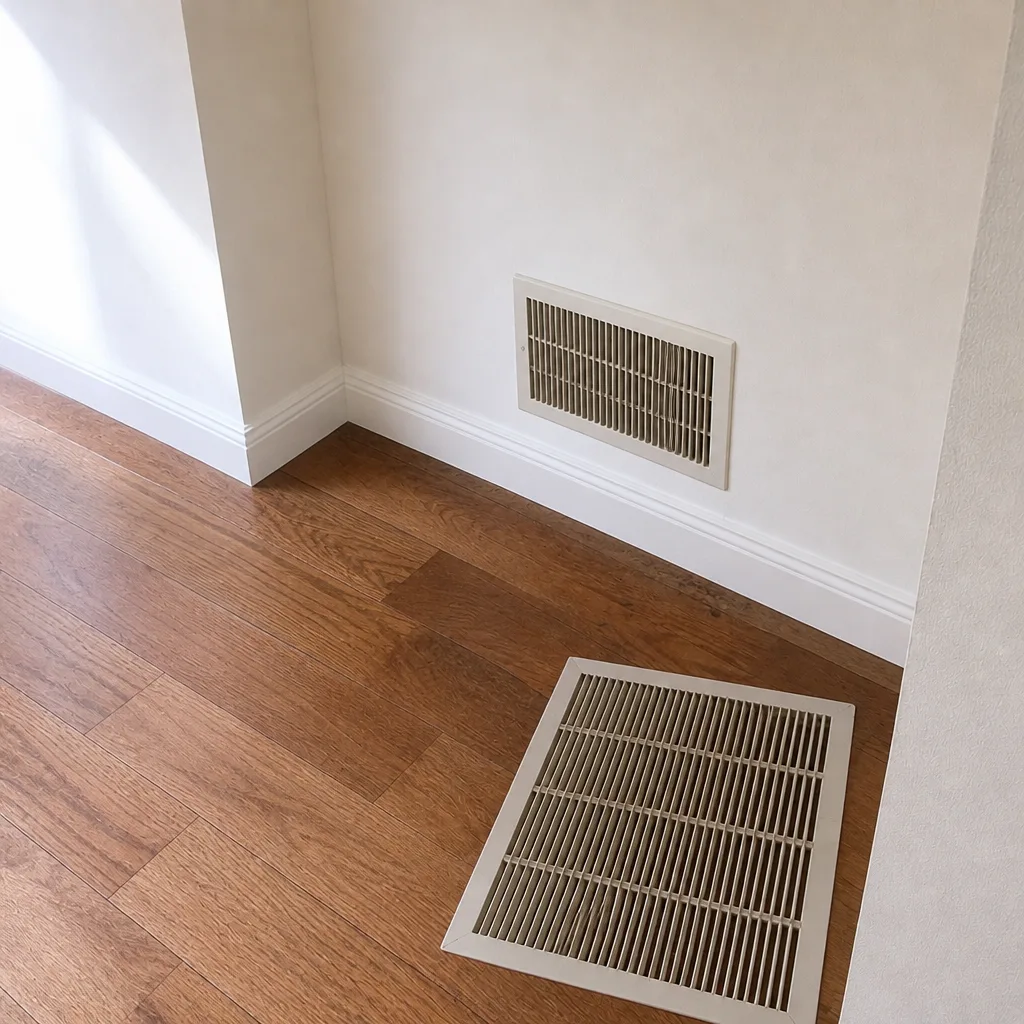 After
When to Call a Professional
Call a duct specialist when the checklist turns up a symptom a homeowner can’t safely resolve. Visible mold or pest evidence in the ductwork. A crushed or disconnected run behind drywall. A dryer vent you can’t reach the far side of. A whole branch of the house that’s lost airflow. Weak heating or cooling that showed up without a filter problem. And any time you’re not sure – the phone call is free and quicker than a guess.
Duct Cleaning Waterbury offers free estimates in Waterbury – call (844) 619-2446. We answer 24/7. Fast dispatch from 7am to 7pm, Sunday through Friday. Our technicians have up to 9 years of experience, and we work with professional-grade equipment including Rotobrush, Nikro, and Abatement Technologies containment systems, plus Honeywell and Aprilaire air-quality upgrades at the same appointment. One flat price per system, agreed before we start, with before-and-after photos of your own ducts. Clean ducts. Safe dryer vents. Repaired ductwork. One call.
Frequently Asked Questions
Every 3 to 5 years is a reasonable baseline for a typical home with no special triggers, and the schedule shortens to around 3 years for homes with basement dampness, recent renovations, or a converted oil-to-gas furnace that was never cleaned afterward. The number of months your specific system takes to rebuild its dust load is what actually matters, which is why a filter log and register photos make the next cleaning decision easy instead of a guess.
Pricing depends on the number of systems, the length of the duct runs, and whether repairs are needed, so a proper quote comes as a flat price per system after a walkthrough, agreed before any work starts. We don’t quote per vent and we don’t price off a coupon, because that’s how a low number turns into a much larger invoice once the technician is on site. Call (844) 619-2446 for an exact quote – estimates are free.
No. A shop vac pulls loose dust from the first stretch of a run and moves it around the room, and it does nothing about the film that’s bonded to the duct walls or about containment while the work is happening. Real cleaning uses mechanical agitation – a rotating brush system – plus a contained vacuum capable of negative pressure, which is what keeps the house clean during a professional visit.
They’re two separate duct systems and both need attention. Air duct cleaning covers the supply and return ductwork connected to your heating and cooling system, while dryer vent cleaning covers the vent line running from the dryer to the exterior of the house. The dryer vent fills with lint far faster than the air ducts fill with dust, so it belongs on the annual checklist rather than the multi-year one. We handle both under one call.
Usually because the equipment and the scope are different. A very low quote often means a consumer-grade vacuum, no containment setup, and a quick pass at the registers rather than a full mechanical cleaning of the trunk and branch lines. Ask what equipment the technician brings – Rotobrush, Nikro, and Abatement Technologies are the kinds of names you want to hear – and ask whether you’ll get before-and-after photos of your own ducts. Call (844) 619-2446 for a free estimate.
Ask for before-and-after photos of the inside of your ductwork, taken at the same spots, plus a written service record of what was cleaned and with what equipment. That’s the same documentation you should be keeping in your own duct system file – so you’re not relying on memory or on a technician’s word when the next interval comes up. Any reputable duct specialist will provide the photos without being asked.
The Bottom Line
Duct health isn’t a single event – it’s a rhythm. Monthly, you check filters and register airflow. Annually, you shine a light into the duct runs and the dryer vent line and record what you find. Every 3 to 5 years, a duct specialist with mechanical brush equipment and proper containment does a full cleaning and resets the clock. Shorten the cycle for Waterbury homes with damp basements, recent renovation dust, or a converted oil-to-gas furnace that’s never been mechanically cleaned. Keep the record, and every future decision becomes obvious.
Free Estimate
If your checklist has turned up something you’d rather a specialist look at – a weak register, a dryer running long, a duct run you can’t reach – the next step is a straight conversation about what your system needs and what it costs. We’ll walk through it, quote a flat price per system, and agree on the scope before work starts. Call (844) 619-2446 for a free estimate. We answer 24/7. Fast dispatch from 7am to 7pm, Sunday through Friday.
Written by the team at Duct Cleaning Waterbury.