
Last updated November 16, 2026
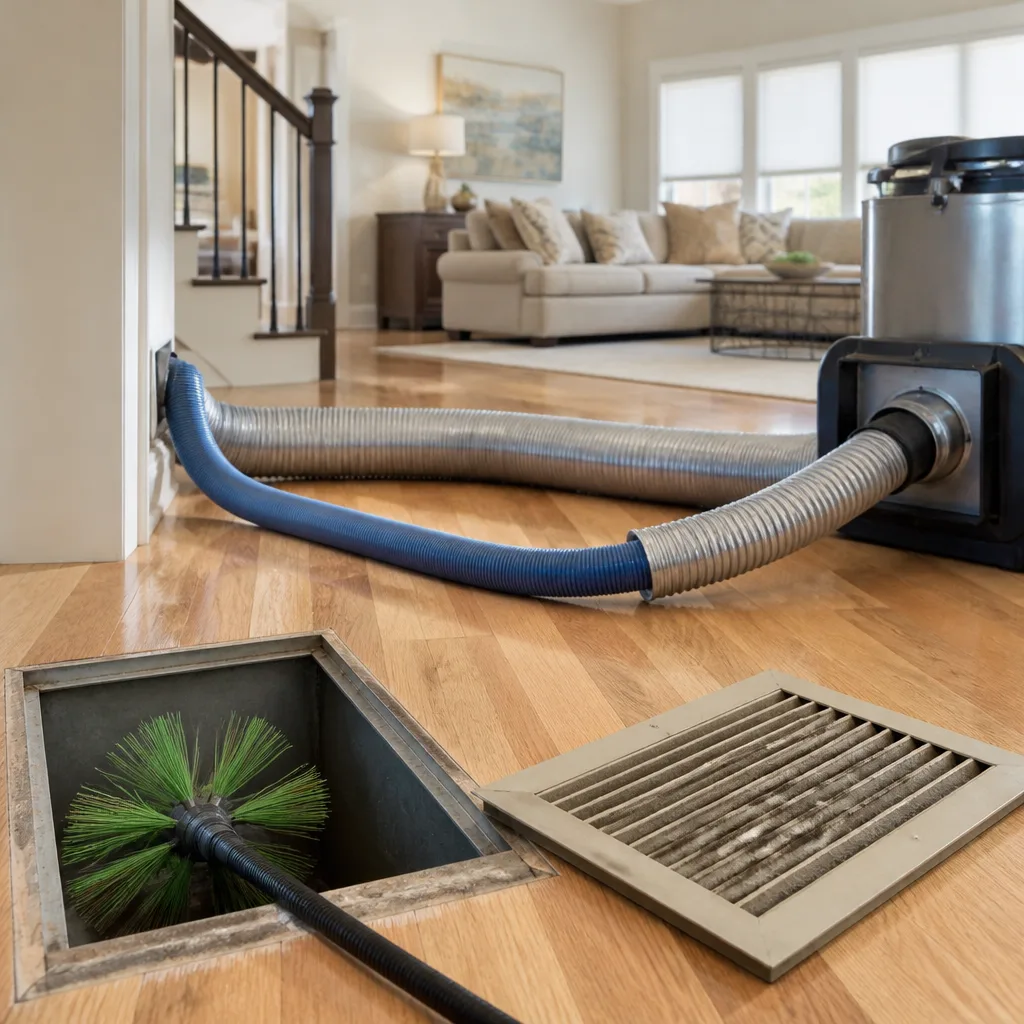 Whole-home duct cleaning
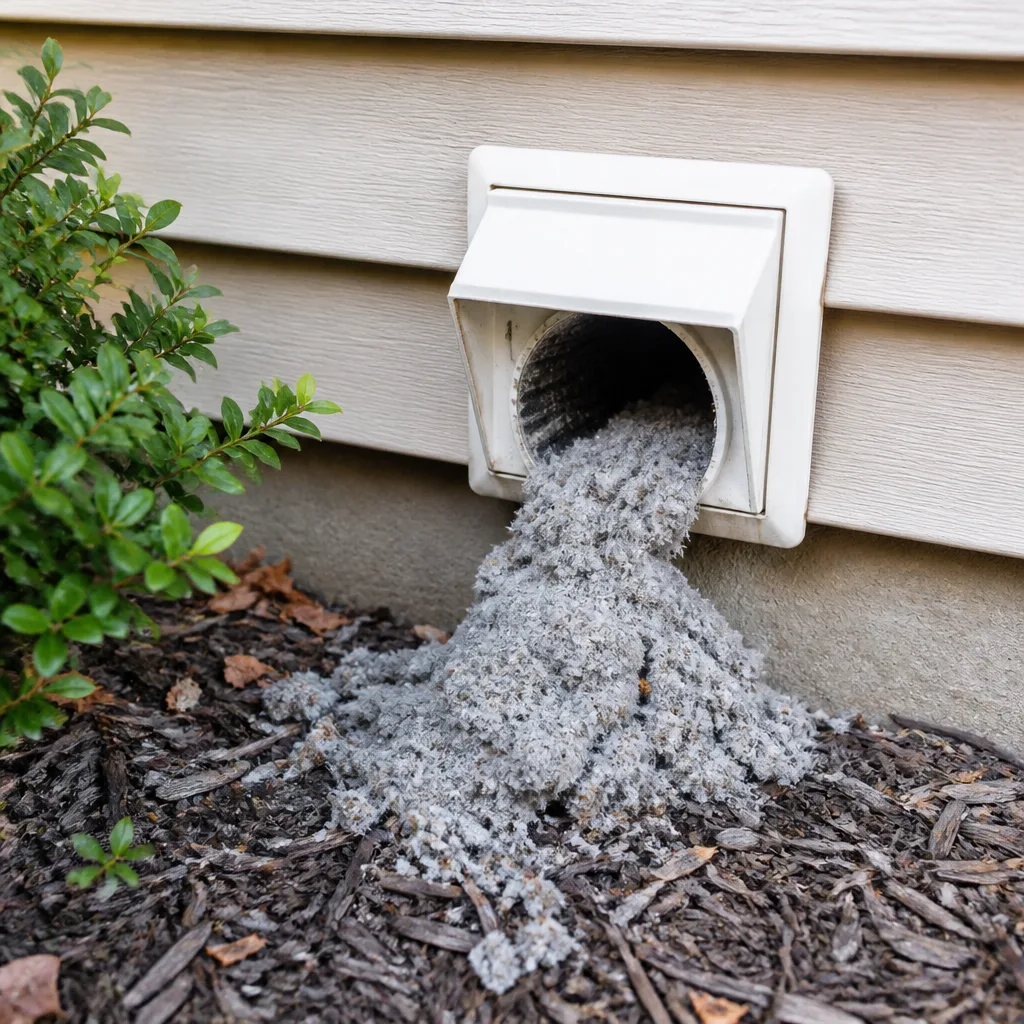 Dryer vent cleaning
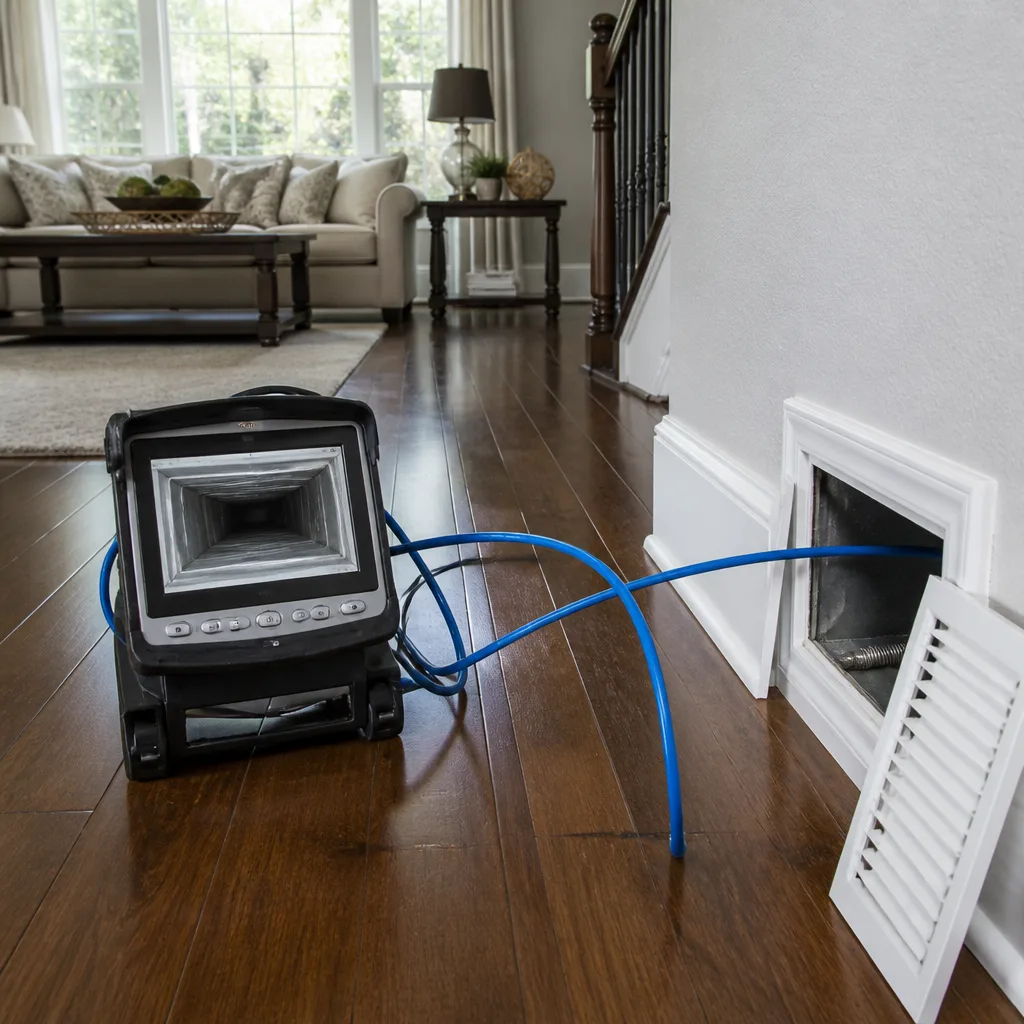 Camera inspection
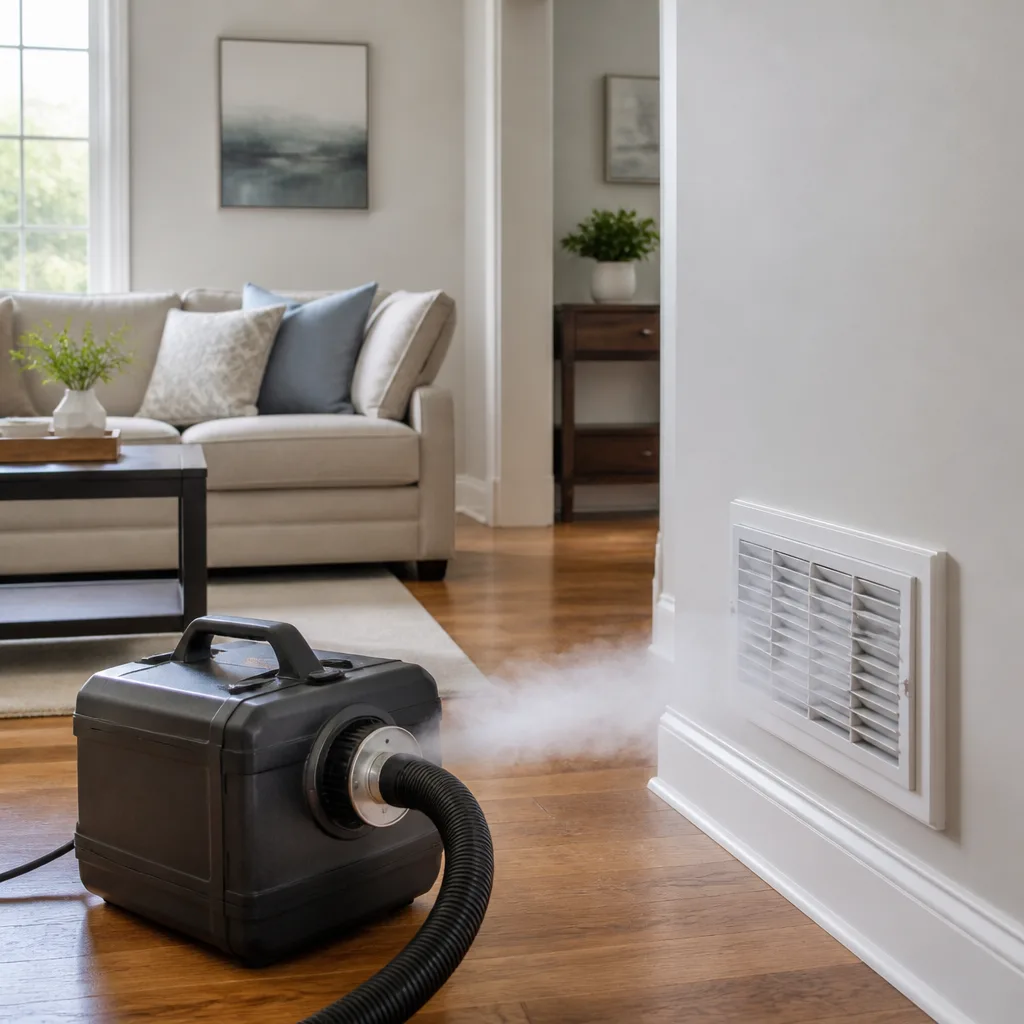 Sanitizing & deodorizing
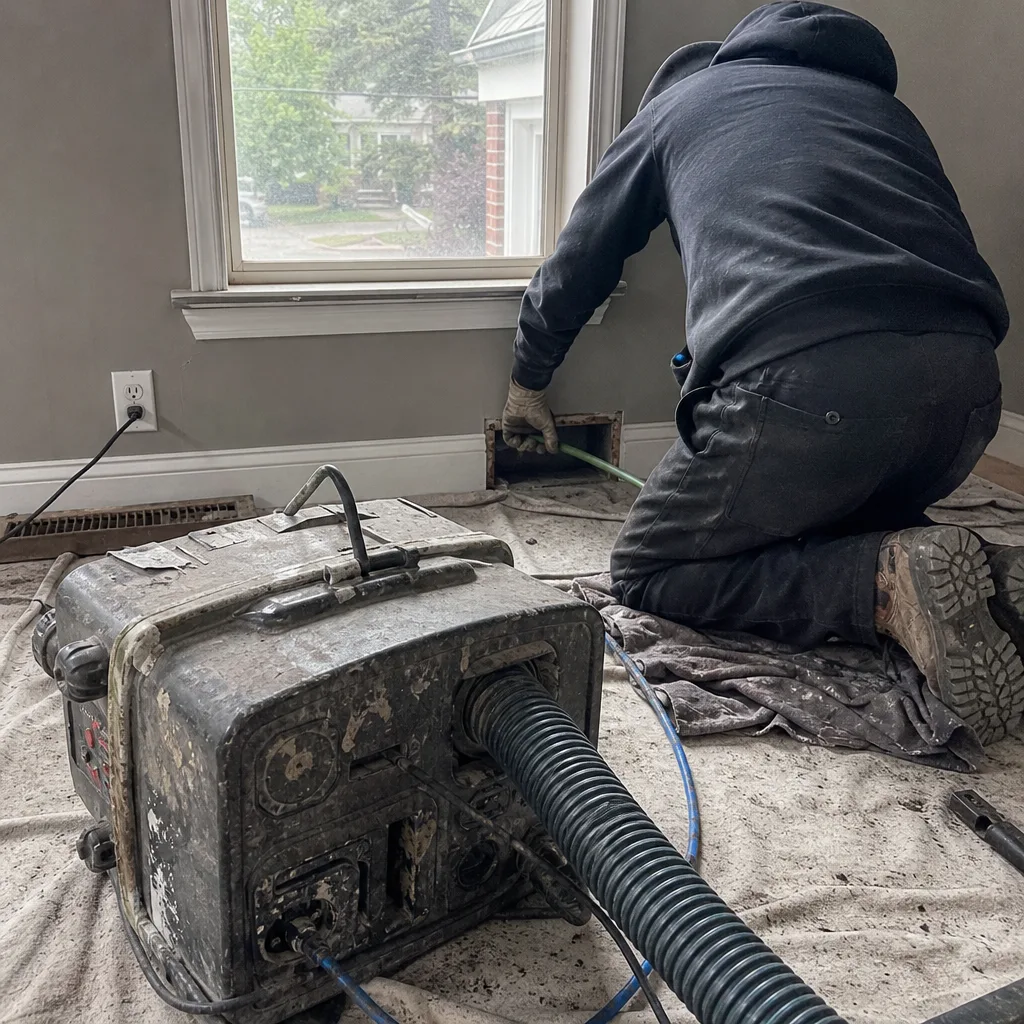
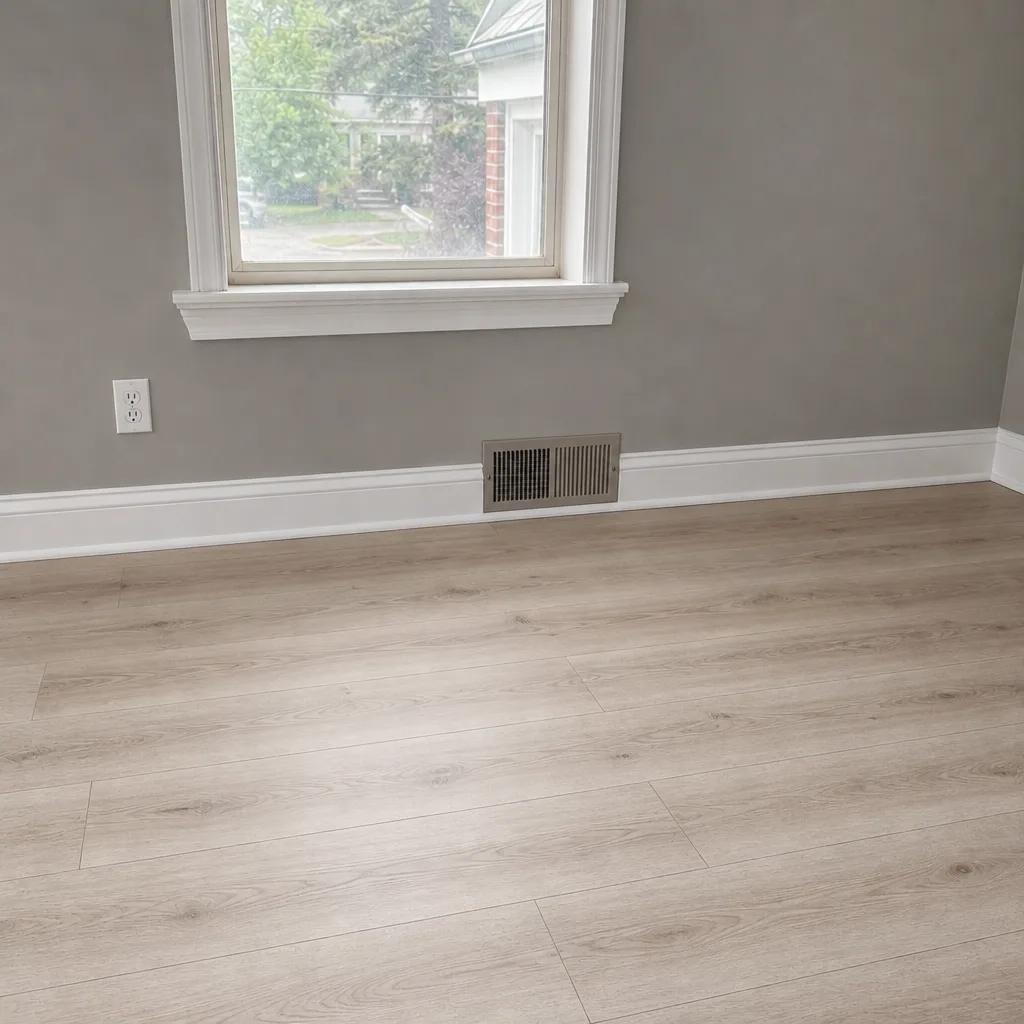
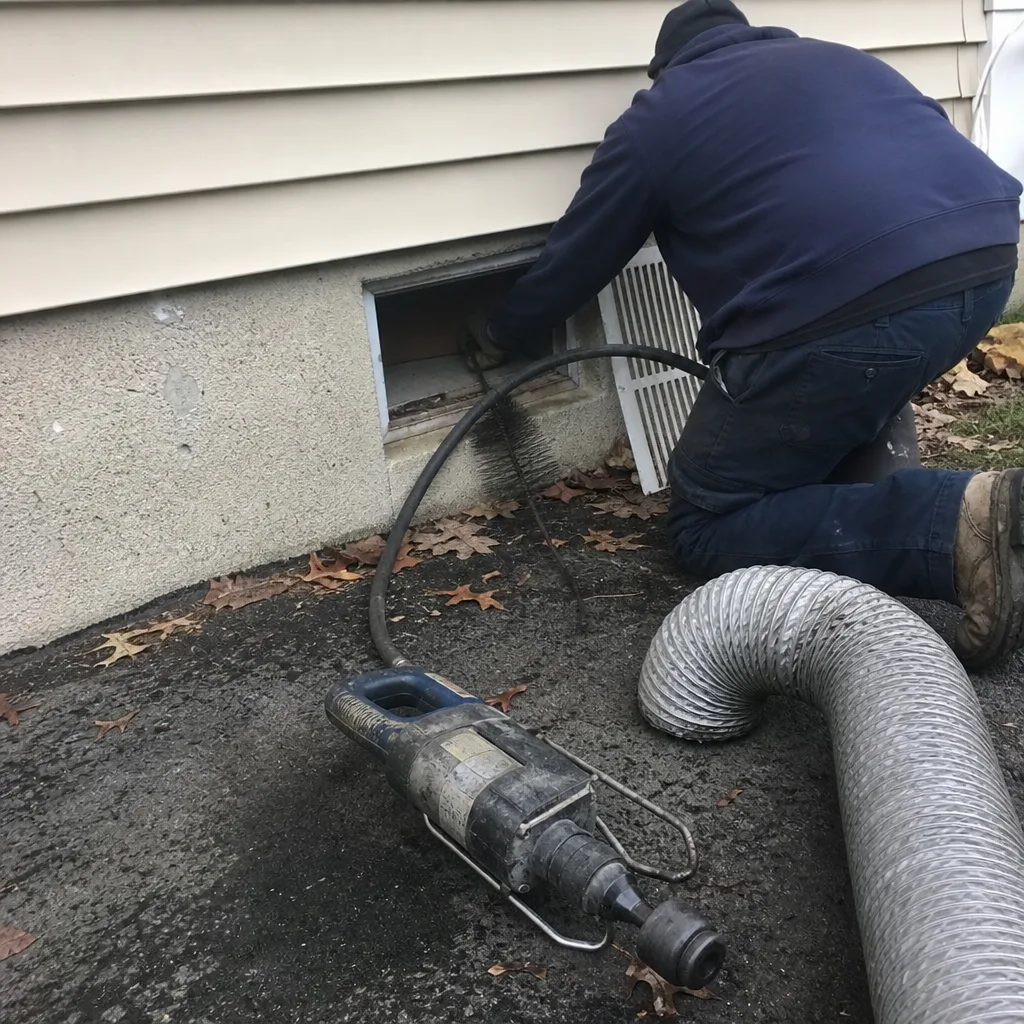
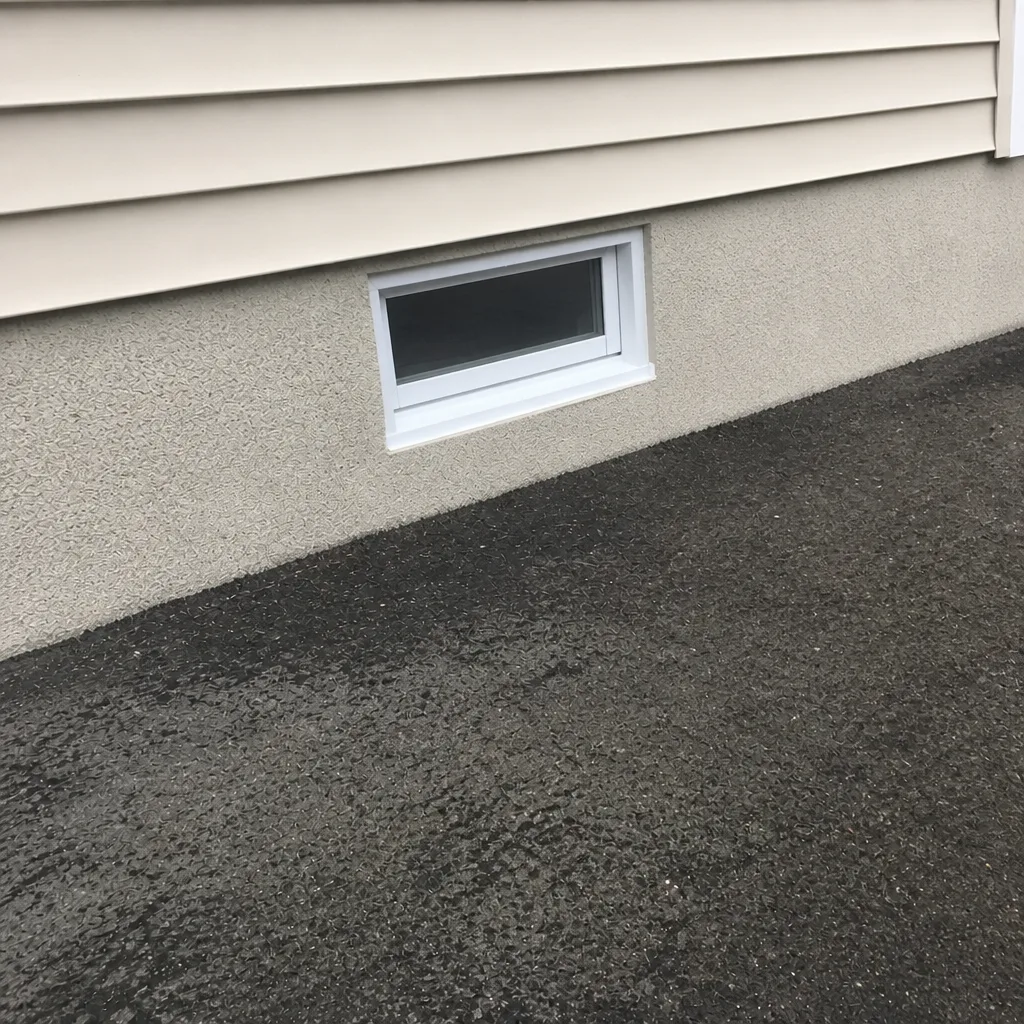
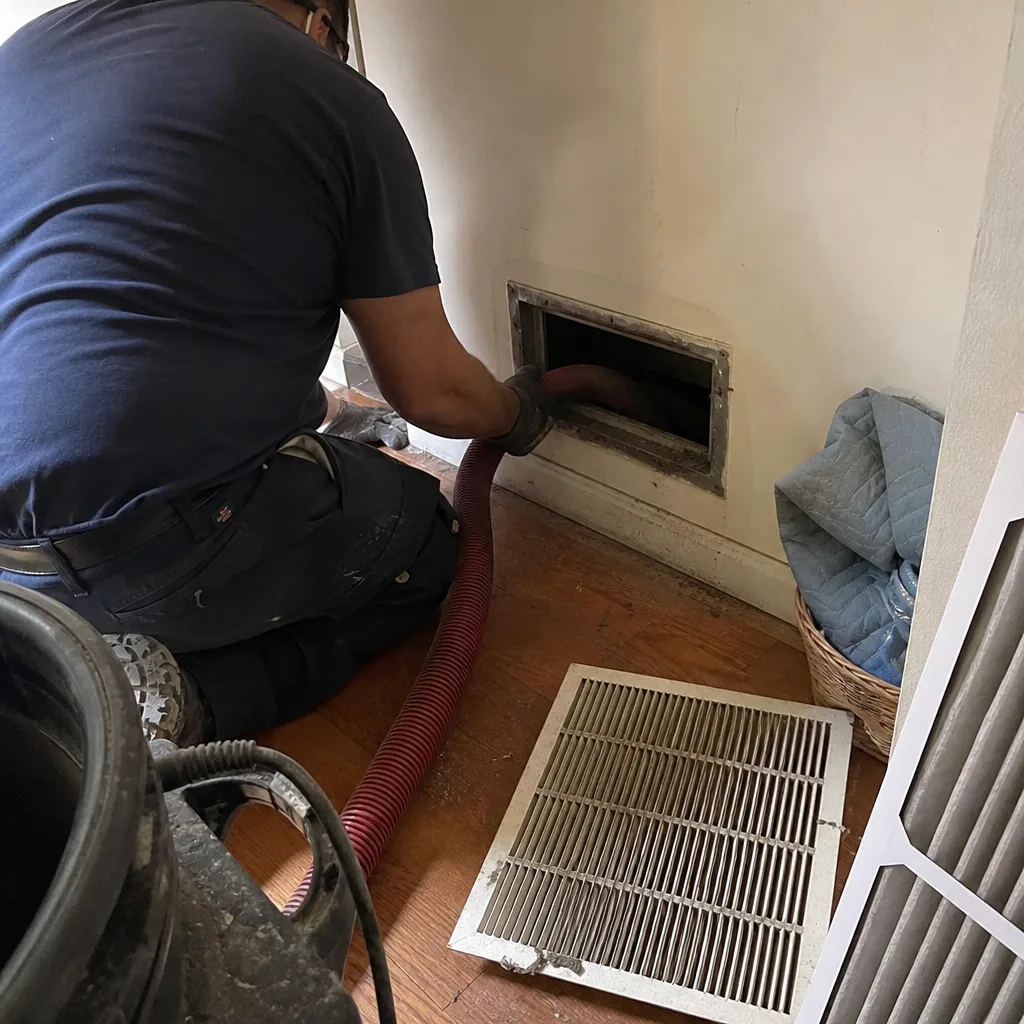
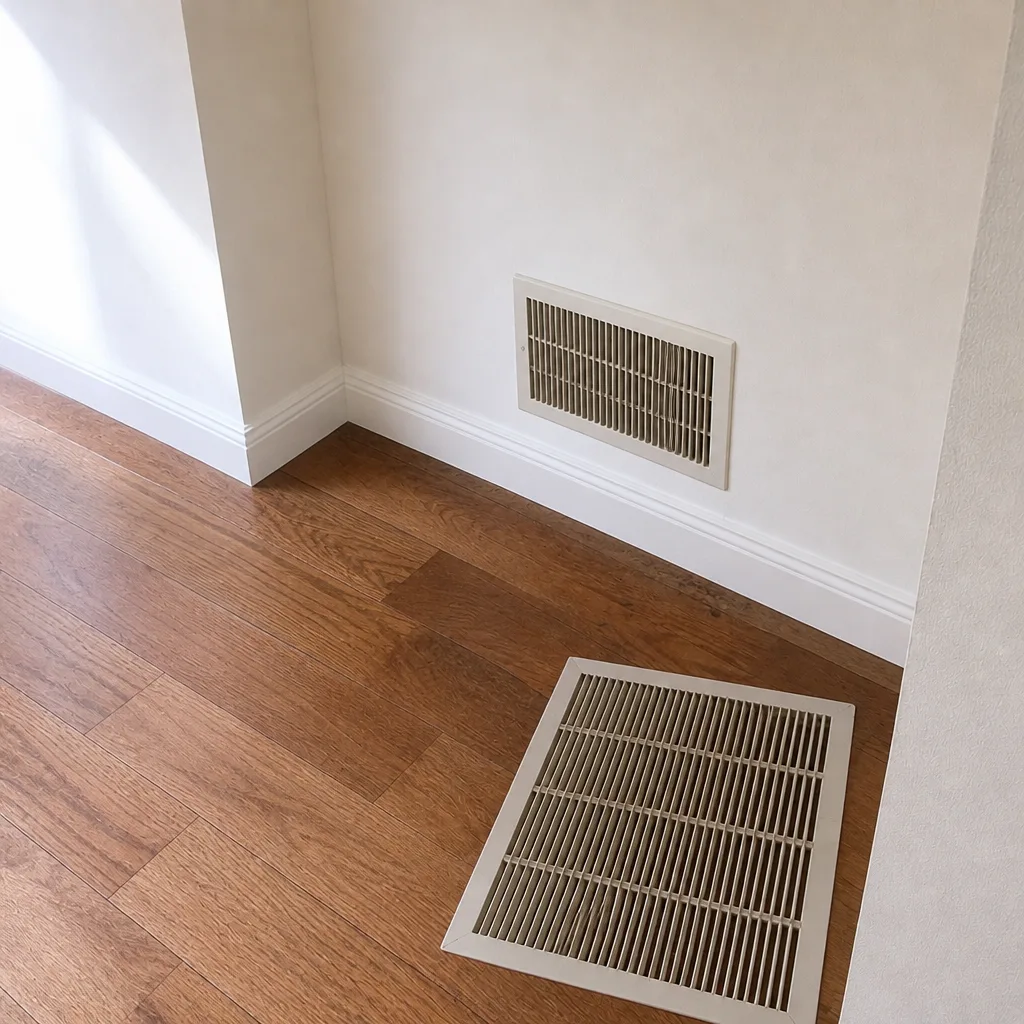
Whole-system duct and dryer vent check with before-and-after photos - you see exactly what came out of your vents
That "$99 whole-house special" is a bait ad - the real number appears once they are in your hallway, or the "clean" is a shop-vac at the register. We photograph the inside of your ducts before and after instead.
How to Hire an Air Duct Cleaning Contractor in Waterbury: A Step-by-Step Guide
Here’s the part most homeowners don’t know: Connecticut doesn’t require a specialty license to offer air duct cleaning. That means the credential you’re really evaluating isn’t a piece of paper on a wall. It’s equipment, process, and verifiable local experience. A contractor with a shop vac and a magnetic sign can call themselves a duct cleaner in Waterbury just as easily as a specialist running professional-grade rigs. So the star rating you see online tells you almost nothing about what will actually happen in your basement.
This guide walks you through how to hire an air duct cleaning contractor in Waterbury the right way. You’ll learn the five technical questions that separate real specialists from pretenders, how to read a quote so you’re comparing apples to apples, which “extras” are legitimate and which are padding, and why flat whole-house pricing with no duct count is a warning sign. By the end, you’ll know exactly what to ask before anyone touches your system.
Styles & brands we work with
- Whole-home duct cleaning
- Dryer vent cleaning
- Camera inspection
- Sanitizing & deodorizing
Quick Answer
To hire an air duct cleaning contractor in Waterbury, ask five technical questions before booking: what equipment brand and CFM rating they use, how they create negative pressure, how they seal the system during cleaning, whether dryer vent cleaning is included, and how they verify the work was done. Compare written scopes line by line, not just the bottom-line price. A specialist who runs professional-grade equipment and documents completion with before-and-after photos will outperform a generalist offering cleaning as a sideline every time.
Table of Contents
- Why Vetting a Duct Cleaner in Waterbury Takes More Than a Star Rating
- The Five Technical Questions to Ask Before You Book
- What NADCA Certification Means and What It Doesn’t
- Red Flags in the Quote Process
- Why a Duct Specialist Beats an HVAC Add-On
- How to Compare Quotes Apples to Apples
- A Step-by-Step Hiring Process for Waterbury Homeowners
- When to Call a Professional
- Frequently Asked Questions
Why Vetting a Duct Cleaner in Waterbury Takes More Than a Star Rating
Waterbury’s housing stock is old. Much of it dates to the early and mid-20th century, which means a lot of homes here have ductwork that’s been added, extended, or rerouted over decades. A system installed in stages by different contractors tends to have more leaks, more disconnected runs, and more opportunities for debris to collect in spots a quick pass won’t reach. That’s a structural reality of the local housing market, and it changes what “duct cleaning” should mean.
Online reviews capture how a job was scheduled and how polite the technician was. They rarely capture whether the system was put under negative pressure, whether the trunk line was sealed during cleaning, or whether the contractor used a brush system that reaches the full interior of the duct. Those are the details that determine whether the cleaning actually does anything or just stirs up dust. And because Connecticut doesn’t require a specialty license to market duct cleaning, a five-star rating can easily belong to a company that treats cleaning as a side job.
That’s why we built our approach around equipment. Our technicians run Rotobrush brush-system equipment and Nikro vacuum rigs, and we use Abatement Technologies air-filtration equipment to contain the dust before we move it. Duct cleaning without proper containment isn’t cleaning; it’s redistribution.
When you evaluate a contractor in Waterbury, you’re really evaluating four things: the tools, the process, the scope of what’s included, and whether the contractor can verify the result. The five questions below get at all four.
The Five Technical Questions to Ask Before You Book
Ask these before you book, not after the technician is standing in your hallway. A specialist will answer them without hesitating. A generalist will change the subject or promise to “check with the office.”
- What equipment brand do you use, and what’s the CFM rating? CFM is cubic feet per minute, a measure of how much air the vacuum moves. Higher CFM means more pull at the far end of a long duct run, which matters in a sprawling Waterbury home with a finished attic or a long basement trunk. Ask the brand. Rotobrush and Nikro are recognized professional duct-cleaning systems. If the answer is “a shop vac,” you’ve learned what you need to know.
- How do you create negative pressure? Proper cleaning pulls debris toward the vacuum rather than pushing it into the living space. A contractor who can’t explain negative pressure in plain language doesn’t have the setup for it.
- How do you seal the system during cleaning? Every opening that isn’t being actively cleaned should be closed off so dust has one place to go. This is why containment equipment matters. Abatement Technologies filtration setups are built for exactly this purpose.
- Is dryer vent cleaning included, or is it a separate service? A dryer vent is its own fire safety system and deserves its own line item and its own cleaning. A contractor who tosses it in for free isn’t spending adequate time on it.
- How do you verify completion? Ask for before-and-after photos of your own ducts, not stock photos from a website. Real documentation takes a minute and shows you what you paid for.
If a contractor stumbles on any of these five, thank them for their time and move on. Nothing you hear afterward will be as informative as the hesitation on that first call.
What NADCA Certification Means and What It Doesn’t
NADCA is the National Air Duct Cleaners Association, and its certified contractors have met a baseline standard for the trade, including assessment and cleaning protocols. That’s a useful floor. It’s not a ceiling, and it’s not the whole story.
What NADCA tells you: the contractor takes the trade seriously enough to join a professional association and follow a recognized standard. What it doesn’t tell you: whether their specific equipment matches your home’s layout, whether their technicians actually explain the work before they start, or whether they have real local experience in the kind of housing you live in. In a market like Waterbury, where a 1930s Colonial and a newer split-level can have completely different duct layouts, equipment fit and local familiarity matter as much as a certification.
We treat NADCA as a useful reference point and we encourage you to ask about it. But don’t stop there. The more important question is whether the contractor specializes in duct work or does it as one line item among many. A dedicated duct specialist like us builds every job around duct systems: air duct cleaning, dryer vent cleaning, and structural repair. That’s the whole scope. There’s no pressure to add a furnace tune-up or a water heater inspection. When duct work is the entire business, every technician’s time is spent getting better at duct work specifically.
So treat NADCA certification the way you’d treat a contractor’s insurance: important to confirm, insufficient on its own. Pair it with the five technical questions from the section above, and you’ll have a much sharper picture.
Red Flags in the Quote Process
The quote process itself is one of the best evaluation tools you have. How a contractor answers the phone, walks through your home, and puts together a written scope tells you a lot about the job they’ll do. Watch for these:
- Flat whole-house pricing with no duct count. A number delivered without anyone counting your vents or furnace runs isn’t a quote; it’s a guess. Ask how many ducts are involved. If the answer is vague, the job scope will be vague too.
- No site walkthrough before a firm price. Duct layouts vary enormously from house to house, especially in Waterbury’s older neighborhoods. A contractor who quotes without seeing the system is guessing, and you’ll be the one absorbing the surprise.
- No written scope of work. You should get a document listing what’s included, what’s excluded, and how completion is verified. Handshake agreements are the wrong foundation for work you can’t see inside.
- Coupon-driven pricing that balloons on site. This is the oldest bait-and-switch in the trade. A low teaser price becomes a far larger invoice once the technician is inside. One flat price per system, agreed before work starts, is the only structure that protects you.
- No mention of containment or negative pressure. If the contractor can’t explain how dust is contained, plan on finding it on your furniture.
- Pushing air purifiers or sanitizing packages before cleaning. Upgrades have a legitimate place after cleaning, but they should be presented as options, not as required add-ons to the base job.
- Vague answers about who does the work. You’re entitled to know whether the technician is a du
See the difference
 Before
 After
 Before
 After
 Before
 After