
Last updated November 16, 2026
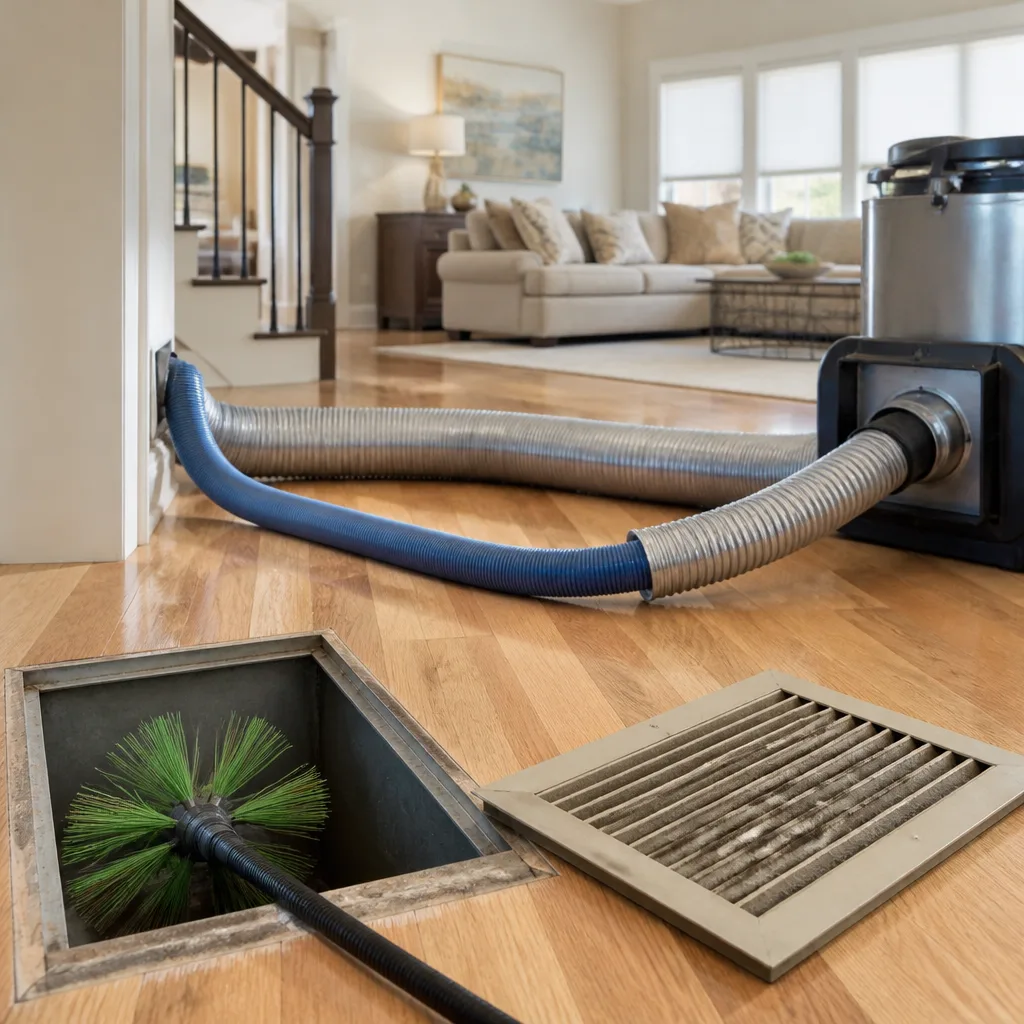 Whole-home duct cleaning
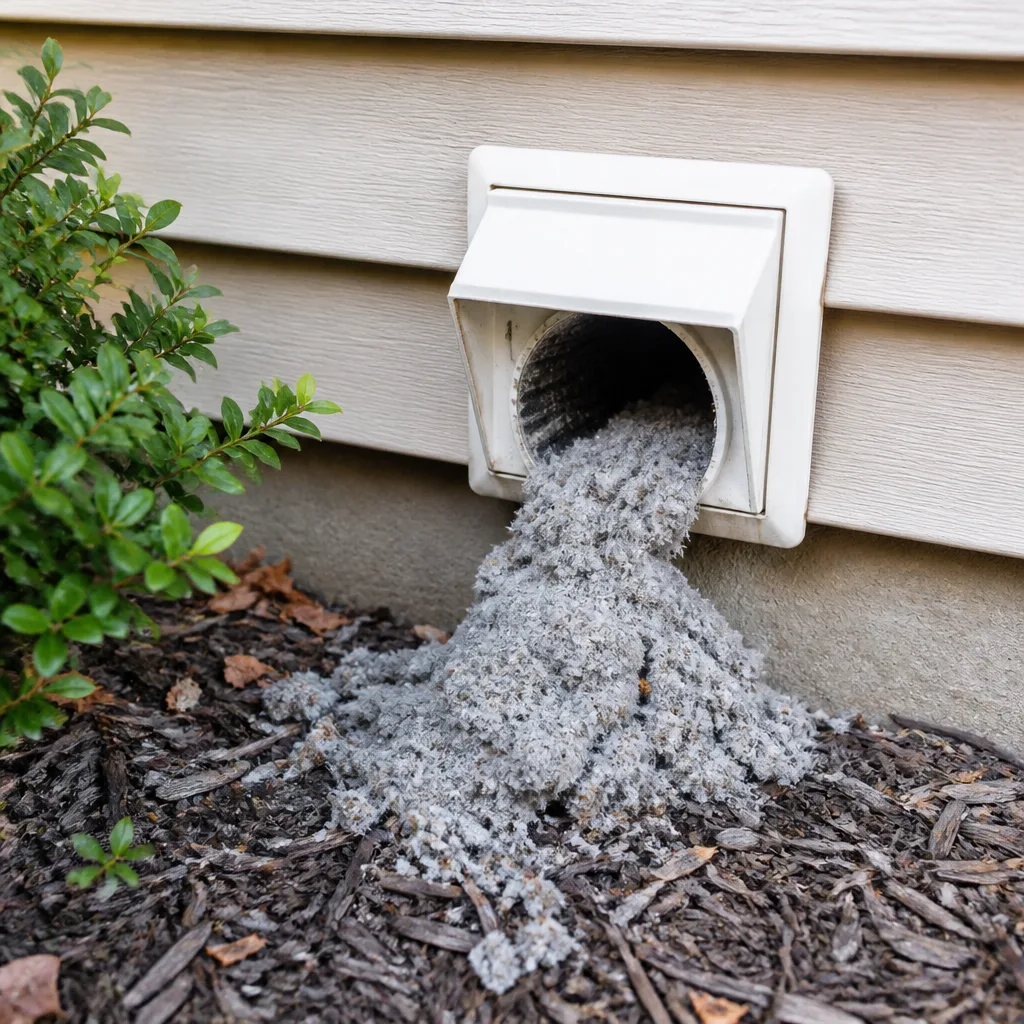 Dryer vent cleaning
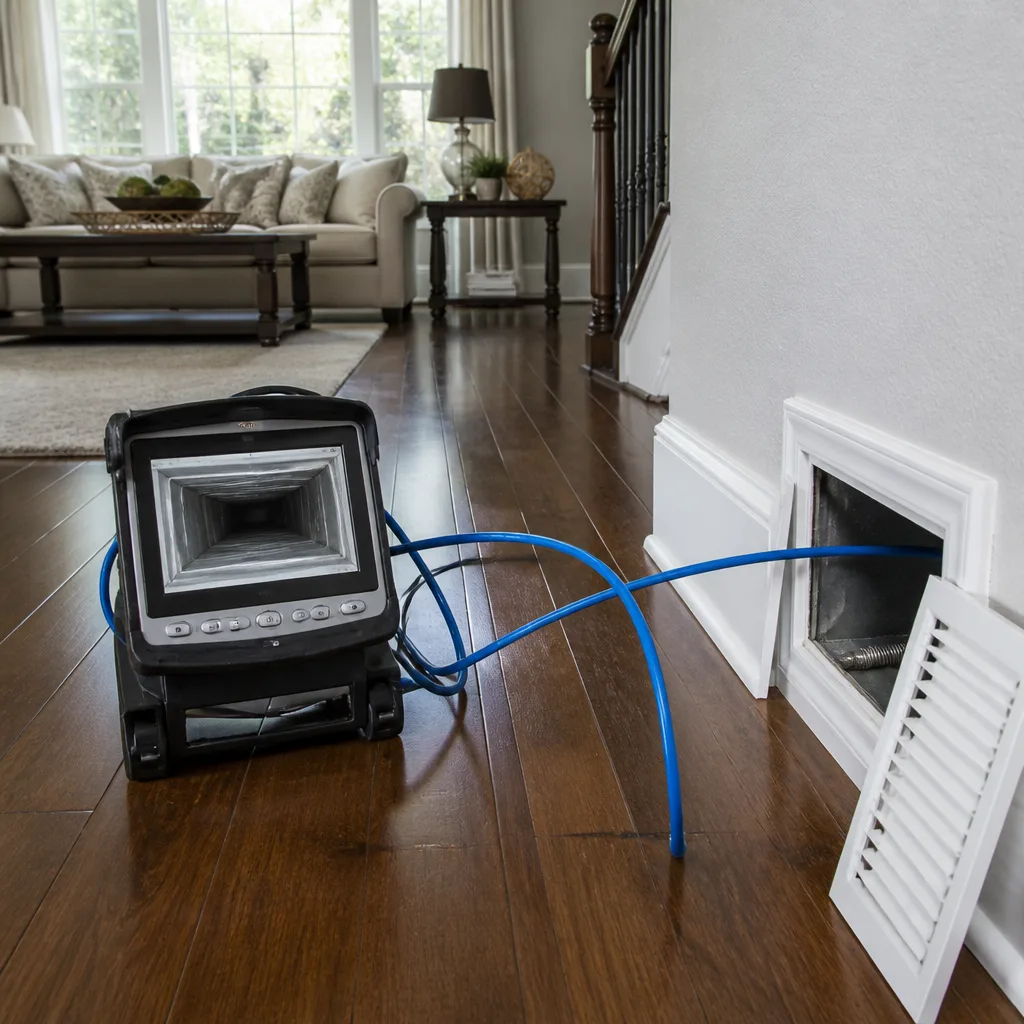 Camera inspection
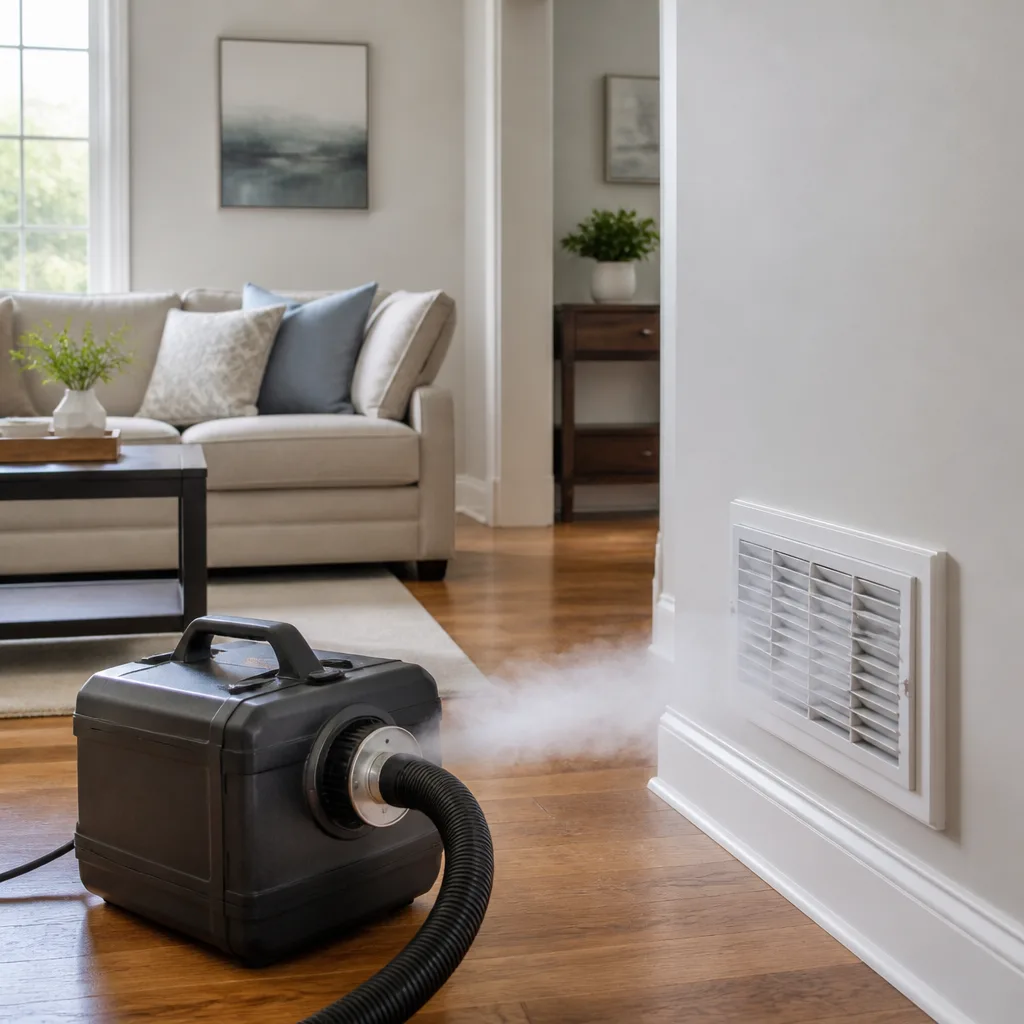 Sanitizing & deodorizing
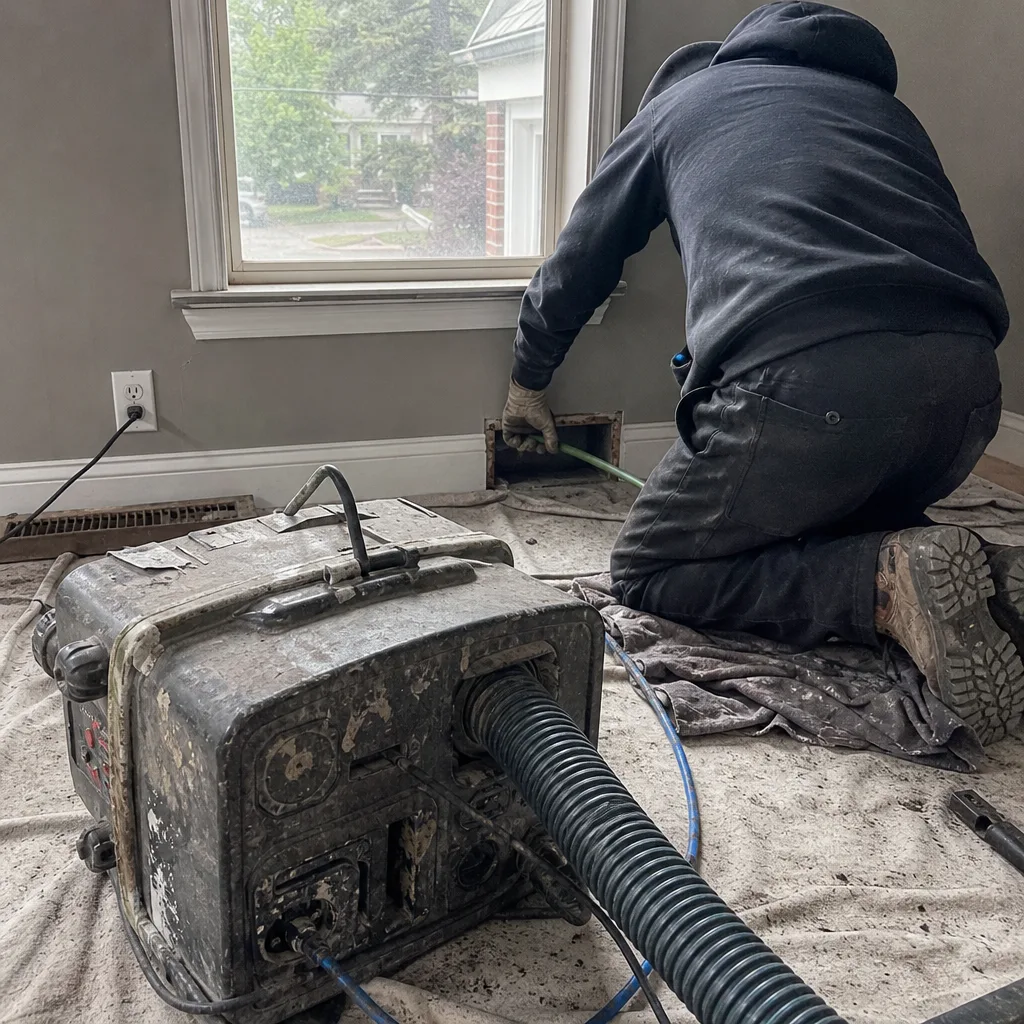
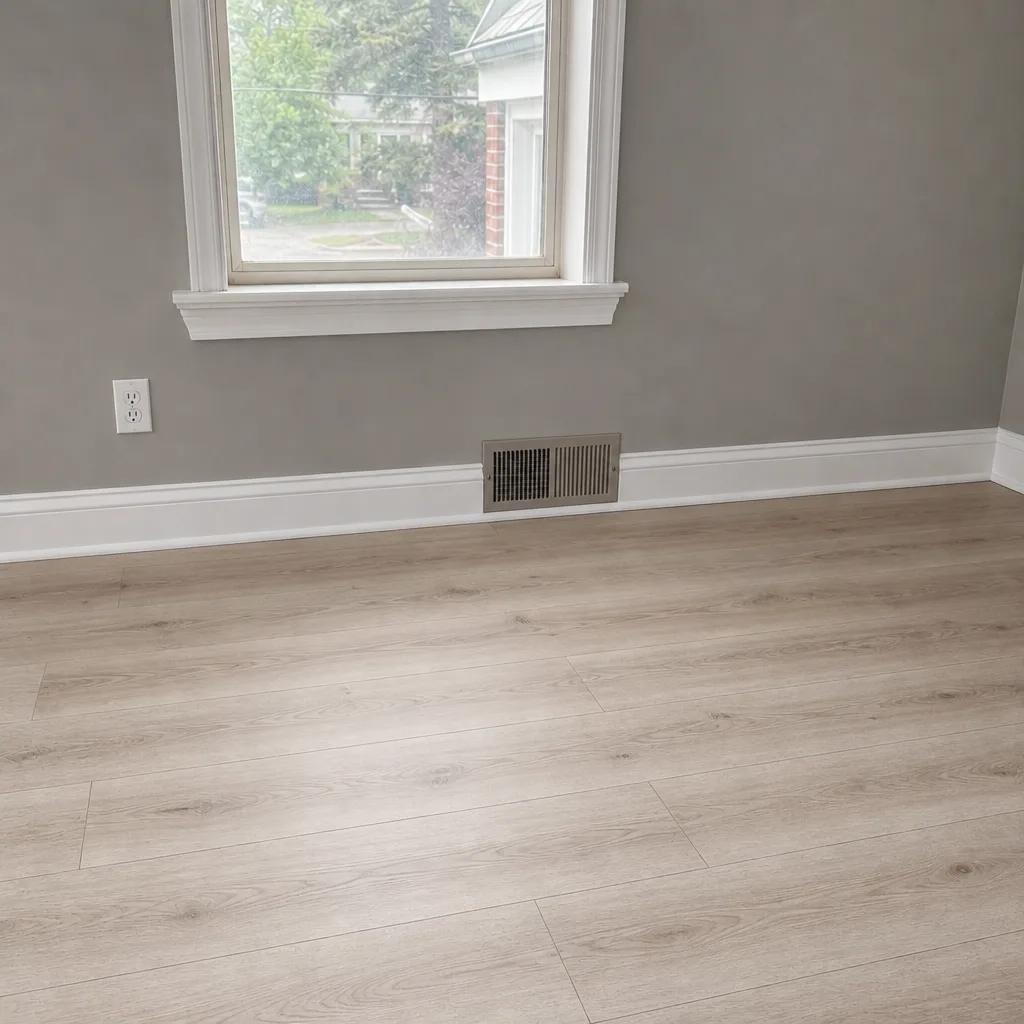
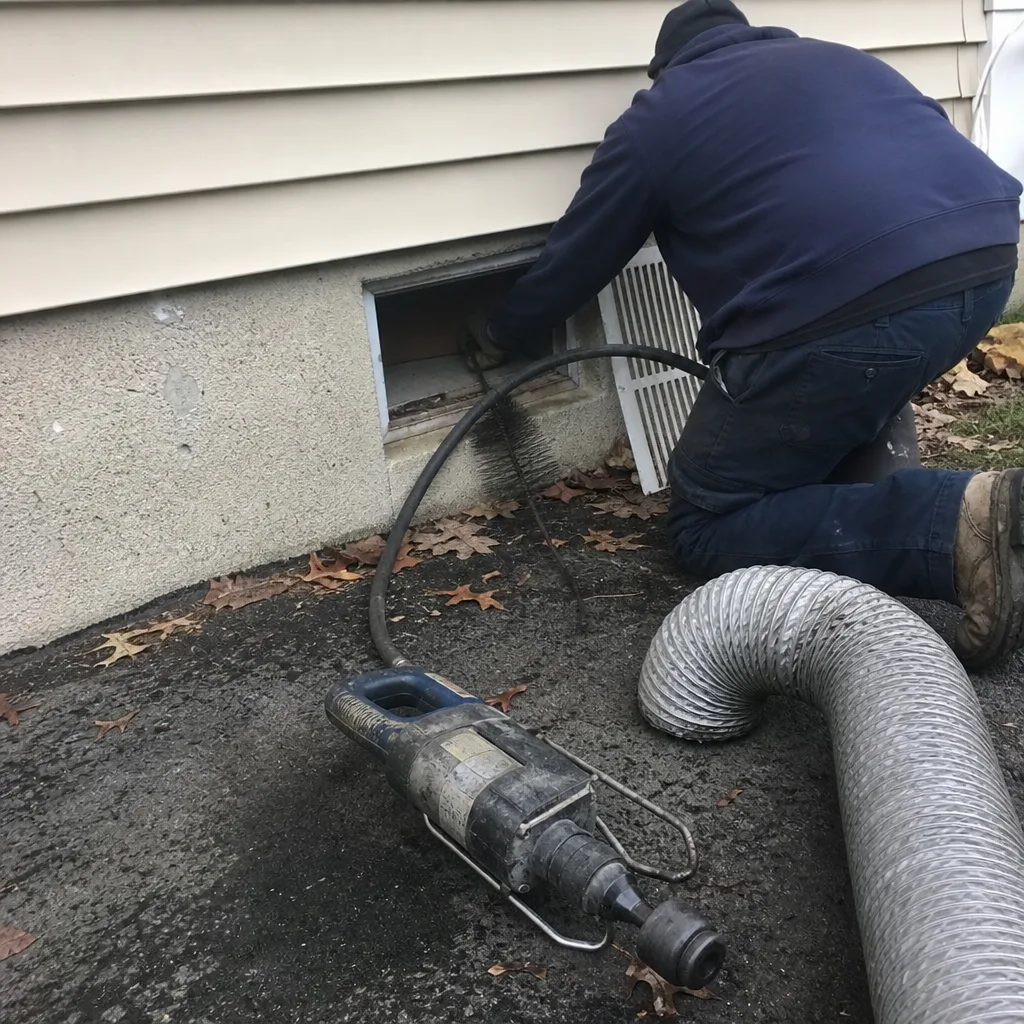
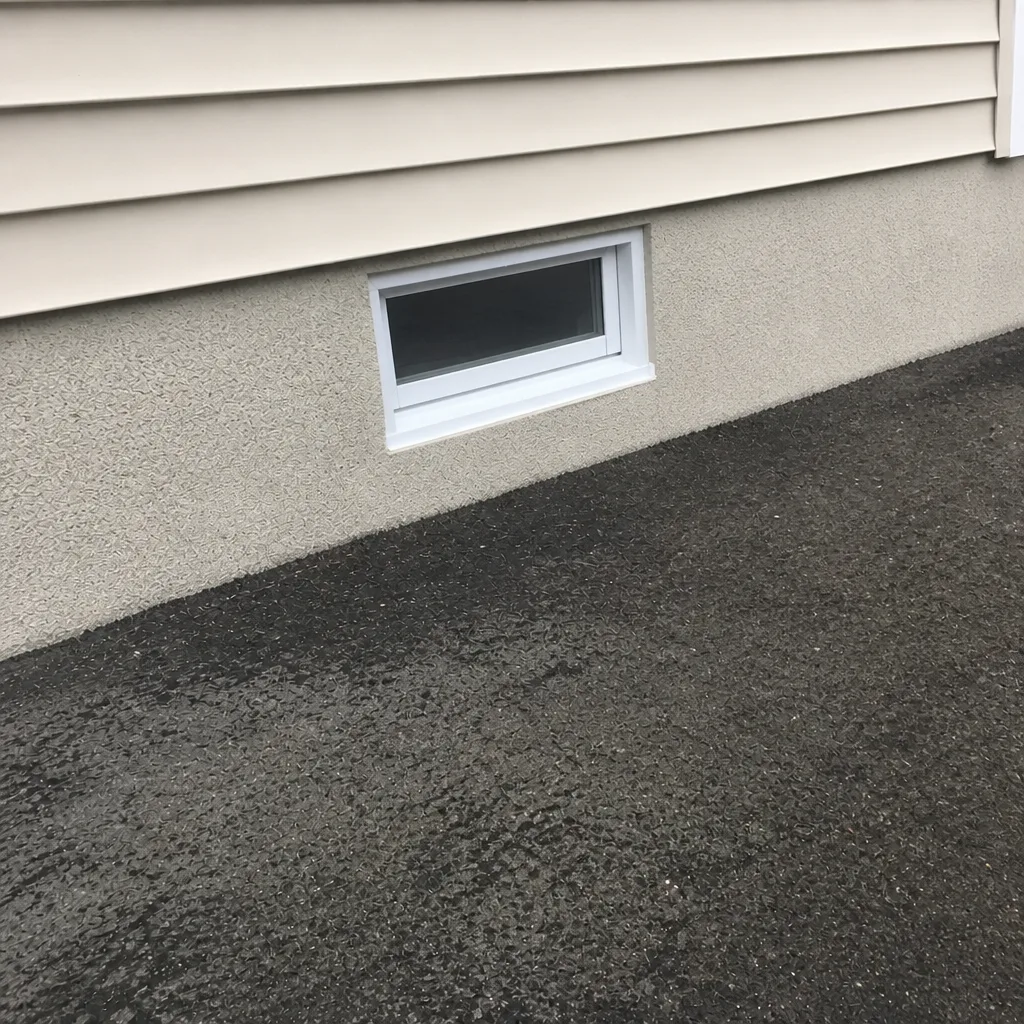
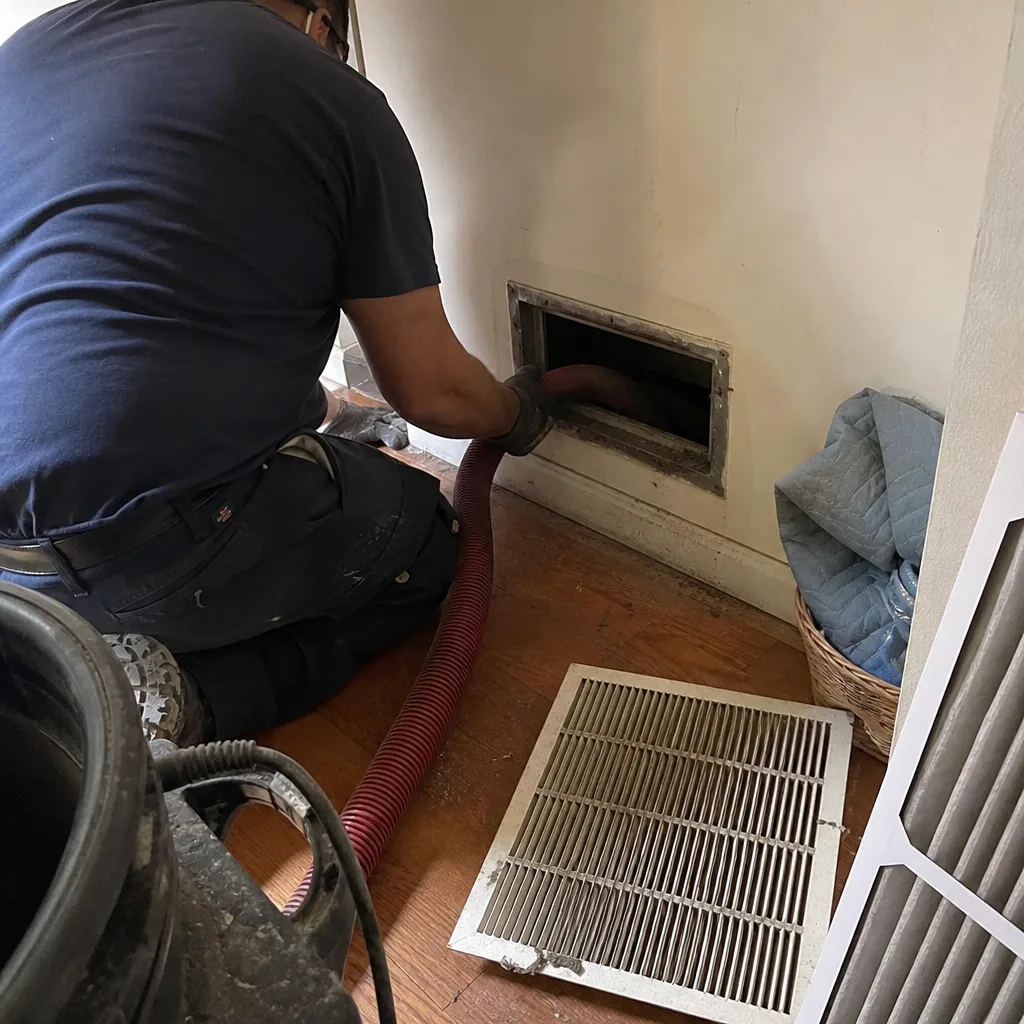
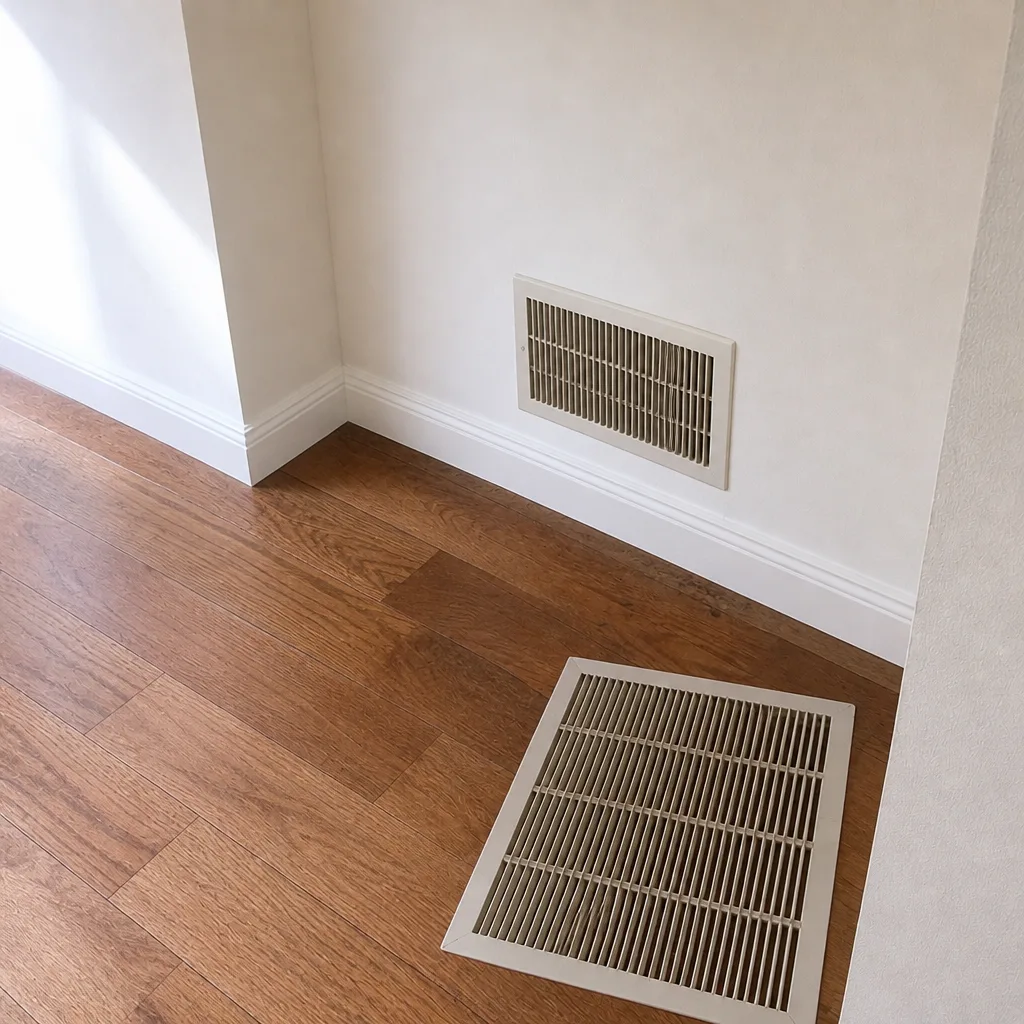
Whole-system duct and dryer vent check with before-and-after photos - you see exactly what came out of your vents
That "$99 whole-house special" is a bait ad - the real number appears once they are in your hallway, or the "clean" is a shop-vac at the register. We photograph the inside of your ducts before and after instead.
Air Duct Cleaning Maintenance Schedule: What to Do and When
The “every three to five years” rule that gets passed around about duct cleaning was never a prescription. It’s a baseline for a sealed, low-occupancy home with no pets, no smokers, and no renovation dust in the air. Most homes in Waterbury don’t fit that profile. They run forced-air heat hard through long winters, they hold pets and people and sometimes drywall dust, and their ducts load up faster than the generic advice admits. What follows is a maintenance calendar built from actual load factors rather than averages: which components need attention on which interval, how Waterbury’s climate shifts the timing, and a simple log you can keep for years. We’ll also flag the parts of this work you shouldn’t touch yourself.
Quick Answer
For most occupied homes in Waterbury, air ducts need cleaning every 2 to 4 years, not every 3 to 5. The generic “3 to 5 years” figure applies to low-occupancy homes with no pets or recent renovation. Add pets, allergies, smokers, or heavy heating-season runtime and you’re on the tighter end. Dryer vents need inspection once a year and cleaning when airflow drops. Filters change every 1 to 3 months depending on type. Register cleaning happens whenever ducts are cleaned.
Styles & brands we work with
- Whole-home duct cleaning
- Dryer vent cleaning
- Camera inspection
- Sanitizing & deodorizing
Table of Contents
- The Load-Factor Checklist: What Actually Sets Your Interval
- Why Waterbury’s Climate Tightens the Schedule
- Separate Schedules for Each Component
- Post-Renovation Cleaning: A Different Protocol Entirely
- Seasonal Timing: Why Spring Beats Fall Here
- Building a Year-by-Year Maintenance Log
- What Homeowners Can Do Between Professional Cleanings
- Common Mistakes to Avoid
- When to Call a Professional
- Frequently Asked Questions
- The Bottom Line
The Load-Factor Checklist: What Actually Sets Your Interval
Duct cleaning intervals should be calculated, not guessed. Before you settle on a number, walk through the factors below. Each one you answer “yes” to moves you toward the shorter end of the range. Three or more and you should plan on cleaning at the front edge of the window, not the back.
Factors that shorten the interval
- Pets in the home. One dog or cat is enough to add dander and hair to the return side of the system. Multiple animals, or long-haired breeds, push the interval toward every 2 years.
- Smokers in the household. Smoke residue coats duct walls and is picked up by every subsequent airflow cycle. Plan on cleaning every 2 years and consider filtration upgrades.
- Recent renovation. Drywall dust, insulation fibers, and sawdust settle into ductwork fast. This calls for a dedicated post-renovation clean, not a routine one (see the section below).
- Allergies or asthma in the family. If anyone in the house reacts to dust, pollen, or pet dander, the schedule tightens to every 2 years as a baseline.
- High HVAC runtime. Homes running heat six months of the year move far more air through the duct system than a mild-climate home does. That’s more opportunities for debris to accumulate.
- Older duct systems with leaks. Leaky return ducts pull attic and crawlspace air into the system. That’s a repair issue that also shortens the cleaning interval.
- Occupancy density. More people means more skin cells, more activity, and more dust in circulation.
Factors that let you stretch the interval
- No pets, no smokers, no allergy sufferers.
- A recently sealed and insulated duct system.
- Consistent filter changes on schedule.
- Low heating and cooling runtime (a tightly built, well-insulated home).
If you can check off most of the second list, the standard 4-year interval holds fine. If you’re reading through the first list nodding, the honest answer is 2 years. Our technicians have up to 9 years of experience assessing exactly this, and the load-factor conversation is usually settled in the first five minutes of a walkthrough.
Why Waterbury’s Climate Tightens the Schedule
Waterbury sits in a humid continental climate zone: cold winters, warm humid summers, and enough shoulder-season moisture to keep things interesting. That combination has a direct effect on how fast your ducts accumulate debris.
Through the heating season, which runs long here, the furnace pushes a large volume of warm air through the same ductwork for months. Every cubic foot of that air carries dust particles, and the return side of the system acts as a settling chamber. By the time spring arrives, the return plenum and main trunk lines have collected a season’s worth of material.
The summer side matters too. Waterbury’s summer humidity regularly pushes above 60%, and when that moisture reaches cool basement ducts, it can condense on the interior walls. That damp film makes dust stick instead of sitting loose, and it makes ducts harder to clean with anything short of a proper brush system. This is the practical reason our air duct cleaning process relies on contractor-grade equipment: a shop vac won’t lift adhered debris from a humid duct wall.
The result for scheduling purposes is this: homes in Waterbury generally follow the tighter end of the range. Two to four years is realistic. Homes in flood-prone low-lying areas near the Naugatuck River, or in older housing stock in neighborhoods like Brooklyn, Waterville, or Bunker Hill, often run even tighter because of basement moisture and original duct construction.
What about cooling-season humidity?
High summer humidity doesn’t just make ducts dusty. It creates the conditions for microbial growth in any duct with condensation. If you’ve noticed a musty smell when the AC first kicks on in June, that’s a sign the schedule has already slipped. Cleaning won’t fix a moisture problem on its own, but it removes the organic material that growth feeds on, and we can point out where the duct system needs better insulation or sealing.
Separate Schedules for Each Component
Treating “duct cleaning” as one item is where most maintenance calendars go wrong. What actually needs doing is four separate things on four separate intervals. Here’s the split.
The four schedules
- Main air duct cleaning – every 2 to 4 years. This is the whole-system clean: supply and return trunks, branch runs, plenum, and register boots. The interval depends on the load-factor checklist above.
- Dryer vent inspection – annually. Annual inspection catches lint buildup before it becomes a real problem. This is also the highest-priority item on the list from a safety standpoint. A clogged dryer vent is a fire risk, and it’s one of the most preventable hazards in a home.
- Filter changes – every 1 to 3 months. The interval depends on the filter type and how dirty your air is. Basic fiberglass filters need changing more often; high-MERV pleated filters can run longer before loading up but restrict airflow, which affects everything else. Check the filter monthly during the heating season and change when it’s visibly gray.
- Register and boot cleaning – with each duct cleaning. Registers catch the dust before it reaches the room. They should be cleaned whenever the ducts are, and can be wiped down more often between services if you have pets.
One more interval to watch
- Duct repair assessment – every 2 years, or at any cleaning. Leaks, disconnected joints, and crushed flex runs should be spotted at the cleaning. If we find an issue, we can handle the repair as a standalone service without sending you to a second contractor. Structural duct repair and cleaning are two parts of the same job here.
The dryer vent cleaning piece is worth underlining. We see homeowners who schedule duct cleaning diligently and never once think about the dryer vent, even though the vent has a higher safety stake. If you haven’t had it looked at in a year or more, add it to this year’s list.
Post-Renovation Cleaning: A Different Protocol Entirely
Renovation dust doesn’t behave like everyday dust. Drywall sanding produces a fine powder that migrates everywhere, and because duct systems are under slight negative pressure at the returns, that powder gets pulled straight into the ducts. Insulation fibers from walls and attics do the same. The result is a system that needs cleaning within days of the last sander leaving, not on your regular schedule.
What a post-renovation cleaning looks like, in practice:
- Seal and contain before you start. Registers get covered, and the work area gets negative pressure so dust doesn’t redistribute into the rooms you just finished. This is where equipment matters. Abatement Technologies containment gear exists for exactly this purpose: it keeps the debris from being blown around instead of removed.
- Clean supply and return in the same visit. Renovation dust reaches both sides. Cleaning only the supplies leaves a reservoir on the return that recontaminates in a week.
- Inspect for drywall dust in the boots. Drywall dust settles in the boots behind the registers. A brush system reaches them; a shop vac doesn’t.
- Replace the filter the same day. The filter takes a big hit during renovation. Change it, then change it again in a month.
- Assess ducts for damage. Renovation is a time when ducts get crushed or disconnected. Check while the system is open.
Timing questions
Clean after the sanding and before the final paint. If you’ve already moved back in and the ducts weren’t cleaned, do it anyway; dust won’t clear itself from a closed system. Don’t wait for your regular interval to come up.
The rental-market angle here is worth a mention: property managers in Waterbury commonly sweep the duct system after a turn, which resets the clock. If you manage a unit and the last tenant had pets, treat it as a post-renovation-level clean rather than a routine one.
Seasonal Timing: Why Spring Beats Fall Here
Most homeowners default to scheduling duct cleaning in the fall, right before heating season starts. In Waterbury, that’s the wrong instinct. Spring, after the heating season ends, is the stronger choice, and here’s why.
The argument for spring
- You just finished heating season. The furnace has been running for months, pushing air through the system and depositing a season’s worth of dust. Cleaning in the spring removes the accumulation before the AC turns on and starts recirculating it.
- Summer humidity hits a clean system, not a dirty one. As we mentioned earlier, humid summer air condenses on cool ducts. If those ducts are already loaded with dust, the moisture has something organic to hang onto. Clean ducts dry faster.
- Cooling season is when a clean system matters most. AC systems recirculate air with no combustion dilution. A clean system means fewer particles cycling through the house all summer.
- Dryer vent cleaning fits spring too. Spring is a natural point to sweep the vent lint before summer laundry volume picks up.
When fall makes sense
Fall is the right time if you’ve just done renovation work, if a filter change is overdue and you want a fresh start before heating, or if the previous spring cleaning was skipped. If your schedule runs on the 2-year cycle, staggering the two dates gives you the same coverage.
A simple annual rhythm
- Early spring: duct cleaning (every 2 to 4 years), dryer vent inspection, filter change.
- Late spring: register wipe-down, filter check after the AC has run a month.
- Fall: filter change, visual check of registers, dryer vent lint screen check.
- Winter: monthly filter checks during heavy heating months; note anything unusual for spring.
Building a Year-by-Year Maintenance Log
The worst outcome of any duct maintenance plan is not knowing when it was last done. The second worst is trying to sell a home and having no record of the work. A simple log solves both.
What to record
- Date of service. Duct cleaning, dryer vent cleaning, duct repair.
- What was done. Whole-system clean, return-only, repair of a specific run, vent inspection.
- Who did it. Company name and contact.
- Filter changes. Date, type, MERV rating.
- Observations. Anything noticed: a room with weak airflow, a musty smell, a crushed duct run.
- Photos. Before-and-after photos of the duct interior. We provide these as part of standard service; if the company you hire doesn’t, ask for them and keep them in the log.
A simple format
A notebook, a note on your phone, or a spreadsheet all work. Row per service, columns for date, service, notes. Keep it in the same folder as the furnace paperwork.
Why it matters at resale
Buyers and their inspectors ask about duct maintenance more often than people realize, especially in older homes. A documented service history is a selling point. It signals a home that was maintained, which carries weight with buyers and their home inspectors. This is also a strong reason to keep the before-and-after photos: they’re evidence the work was actually done, and they document the condition of the system for the next owner.
For property managers, this log is even more valuable: it establishes the cleaning interval for each unit and creates a paper trail for tenant complaints and turn-over cleaning.
What Homeowners Can Do Between Professional Cleanings
There’s a real maintenance role for the homeowner, and it’s separate from what requires a professional. Here’s the honest split.
What you can and should do
- Change the filter. The single highest-impact maintenance task. Monthly checks during the heating season, change when visibly loaded.
- Vacuum the registers. A quick pass with a vacuum brush attachment on supply and return registers keeps surface dust down.
- Clean the dryer lint screen after every load. Fastest way to reduce fire risk.
- Check the dryer vent exterior flap. It should open freely and close when the dryer is off. Lint visible at the exterior hood is a sign of buildup.
- Listen to the system. A new rattle, whistle, or weak airflow in a room is a reason to schedule a look, not a sign to wait.
- Note smells and symptoms. Musty smell on startup, visible dust blowing from a register, or allergy symptoms that worsen inside the house are scheduling triggers.
What you shouldn’t do yourself
- Furnace and air-handler internals. If you’re considering anything inside the unit past the filter, leave it alone. Electrical components and moving parts carry real risk.
- Duct interior cleaning. Consumer vacuums, leaf blowers, and shop-vac rigs don’t have the suction or containment to do this properly. In the worst case, they distribute the debris into the rooms instead of removing it. Professional systems like Rotobrush and Nikro exist for a reason, and containment systems like Abatement Technologies exist to keep the debris from escaping into your house.
- Dryer vent interior. If the vent is long or has bends, a DIY brush can push lint sideways instead of out, which is worse than leaving it alone until a professional can do it.
- Duct repair. Sealing and repairing duct runs properly requires access and materials, and a bad repair can make leaks worse.
The takeaway: filters, registers, and lint screens are yours. Everything past those is a professional job, and for good reason.
Common Mistakes to Avoid
- Treating “every 3 to 5 years” as a fixed rule. It’s a baseline, not a prescription. Homes with pets, smokers, or allergy sufferers should plan closer to 2 years, and Waterbury’s long heating season argues for the tighter end.
- Skipping dryer vent maintenance. Duct cleaning gets scheduled and dryer vents get ignored. This is the higher safety priority. If you haven’t had it inspected in a year, it’s overdue.
- Hiring on price alone. A very low quote usually reflects consumer-grade equipment. Ask what brush system and containment equipment they use before booking, and expect a plain answer.
- Not asking for before-and-after photos. Without them, you can’t verify the work.
- Cleaning ducts but ignoring leaks. If a return is pulling attic air, cleaning it will only reset the clock briefly. The repair matters as much as the clean.
- Cleaning in fall only because that’s the habit. Waterbury’s climate argues for spring cleaning after the heating season.
- Letting maintenance records drift. Keep a log. It helps at resale and it prevents repeating or skipping intervals.
When to Call a Professional
A few situations call for a professional look rather than a schedule decision. Visible dust blowing from registers, a musty smell when the system starts, uneven airflow between rooms, pet dander buildup that’s affecting allergy symptoms, and any renovating that just wrapped are all reasons to schedule now. Dryer vents that take two cycles to dry a load, exterior lint visible at the hood, or a vent flap that stays closed are higher priority than any duct cleaning.
Repair assessment is another reason to call. Leaks, crushed flex runs, and disconnected joints are common finds in older Waterbury homes and worth checking. Duct Cleaning Waterbury offers free estimates in Waterbury. Call (844) 619-2446. We answer 24/7. Fast dispatch from 7am to 7pm, Sunday through Friday. Our Waterbury team can inspect, clean, and repair in one appointment, and we’ll give you a written estimate before work starts.
Frequently Asked Questions
For most occupied homes in Waterbury, every 2 to 4 years. The tighter end of that range applies to homes with pets, smokers, allergy sufferers, recent renovation, or a leaky duct system. Waterbury’s long heating season and humid summers both argue for the shorter interval. Homes with no pets or occupants with sensitivities can stretch to 4 years.
No, it’s just not universal. The EPA guideline describes a baseline for a sealed, low-occupancy home with no special load factors. Add pets, renovation dust, allergies, or high HVAC runtime, and the correct interval tightens. Treat the guideline as a floor, not a ceiling.
Yes. Drywall dust and insulation fibers settle into ducts during renovation and don’t clear with regular use. Schedule a post-renovation clean after sanding and before final paint. It’s a dedicated protocol with containment and both-side cleaning, not a routine service call.
Price usually reflects equipment. A very low quote generally means consumer-grade vacuums or hand tools rather than a professional brush system and containment gear. Ask what equipment they use before booking and be skeptical of any quote that doesn’t mention one. A written estimate from a specialist reflects the actual job.
Ask for before-and-after photos of the duct interior. Reputable companies take them as a matter of routine because they document the job for both sides. If a company doesn’t offer them, ask before booking and keep the photos with your maintenance log.
No. The lint screen catches a fraction of the lint; the rest moves past it into the vent duct and builds up over time. Dryer vents need inspection once a year and cleaning when airflow drops. The screen is a good first defense, not a replacement for the annual check.
The Bottom Line
The right maintenance schedule for your Waterbury home is shorter than the generic advice suggests. Two to four years between duct cleanings, annual dryer vent checks, and filter changes every one to three months covers the four core items. Add a post-renovation clean whenever you finish a project that generates dust. Keep a log, keep before-and-after photos, and schedule spring over fall. If you’re due or overdue, the fastest next step is a walkthrough and a written estimate. Call (844) 619-2446 for a free estimate. We answer 24/7. Fast dispatch from 7am to 7pm, Sunday through Friday.
Written by the team at Duct Cleaning Waterbury.
See the difference
 Before
 After
 Before
 After
 Before
 After