
Last updated November 16, 2026
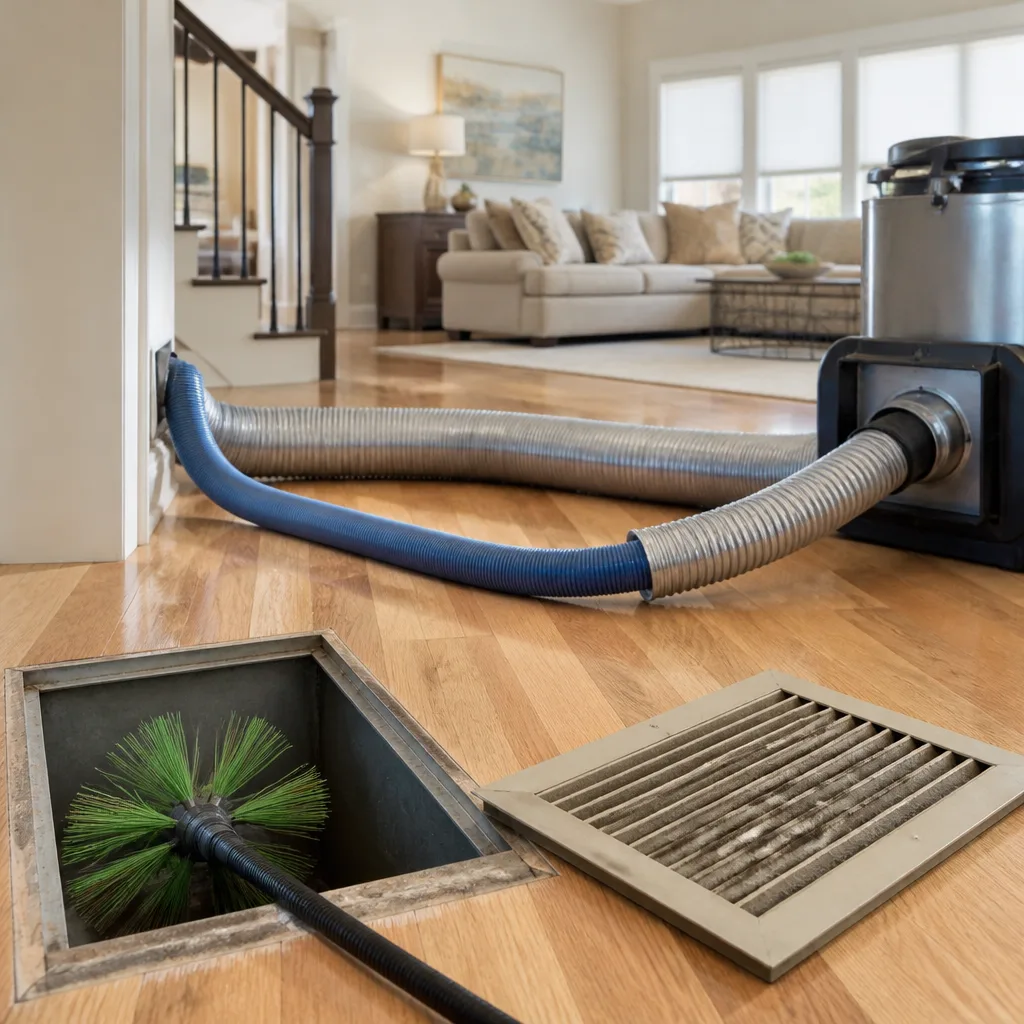 Whole-home duct cleaning
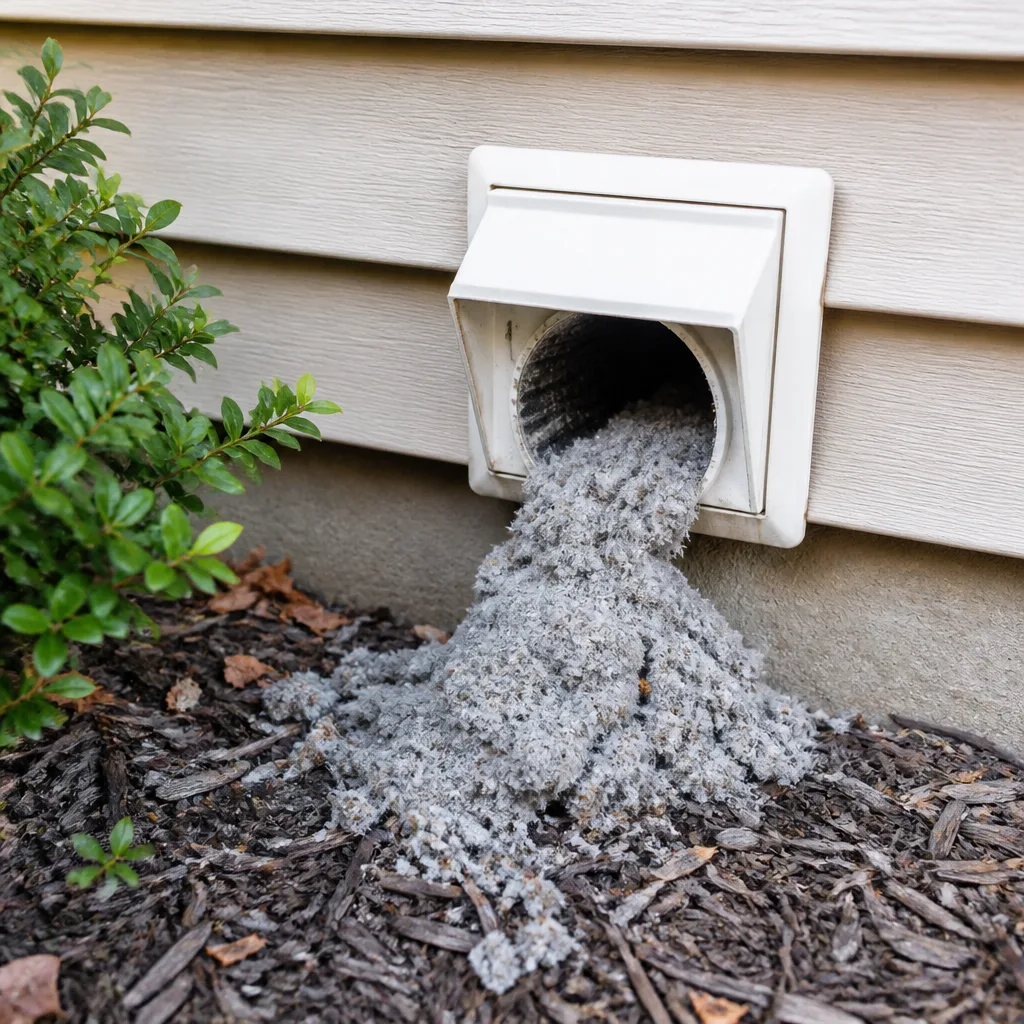 Dryer vent cleaning
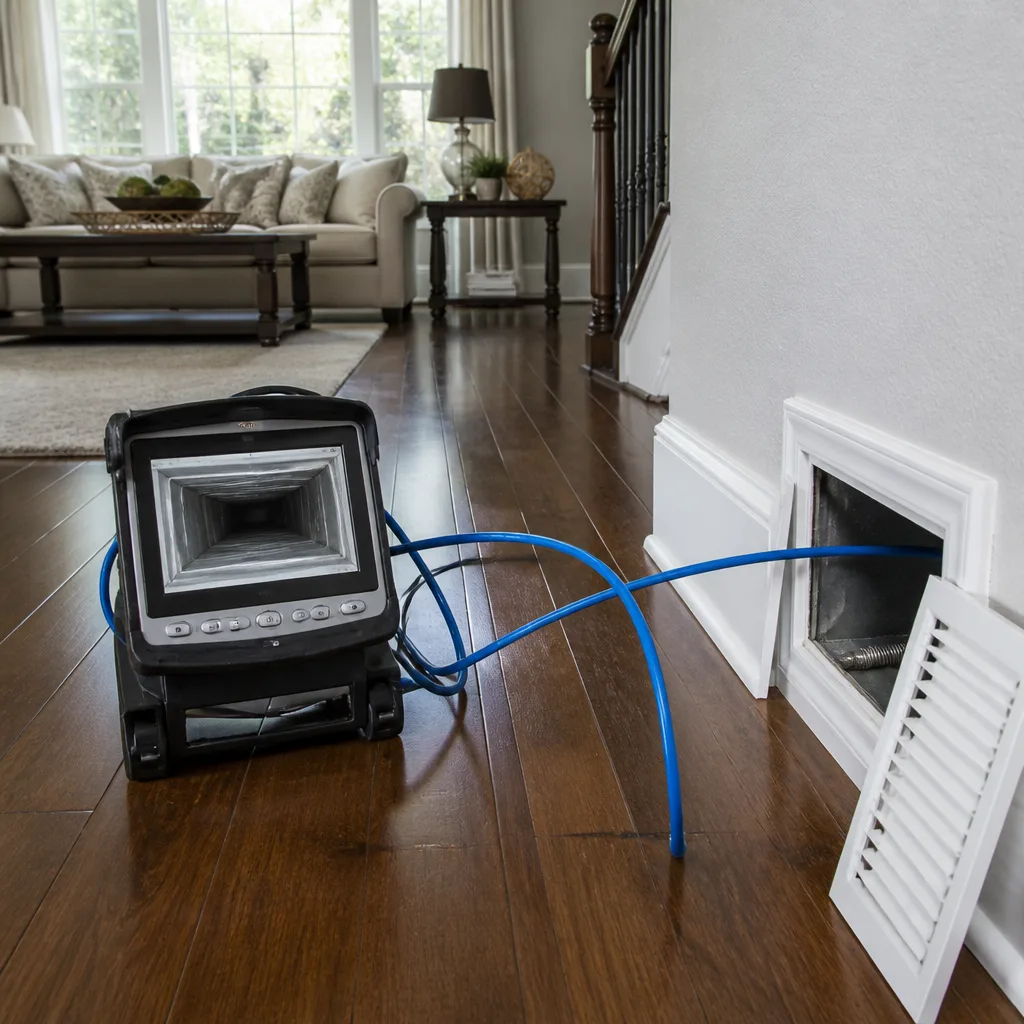 Camera inspection
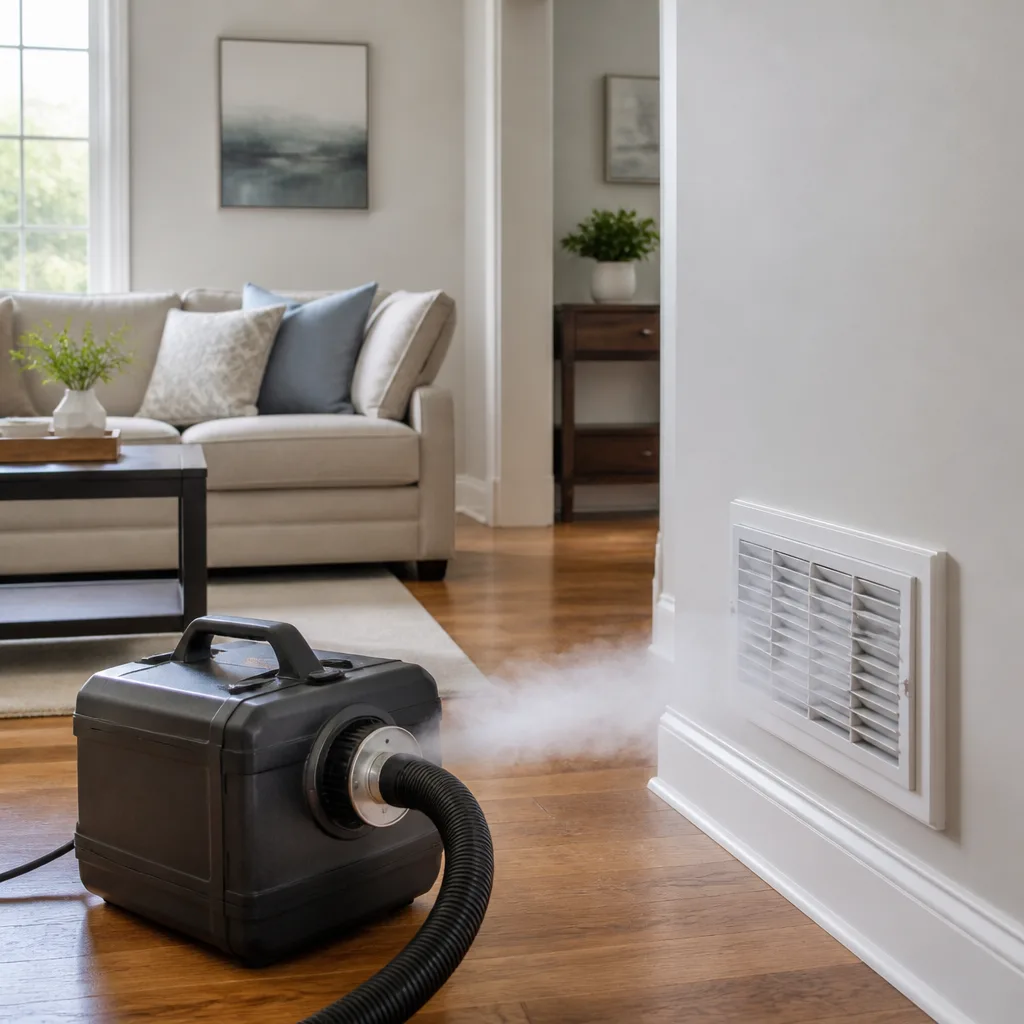 Sanitizing & deodorizing
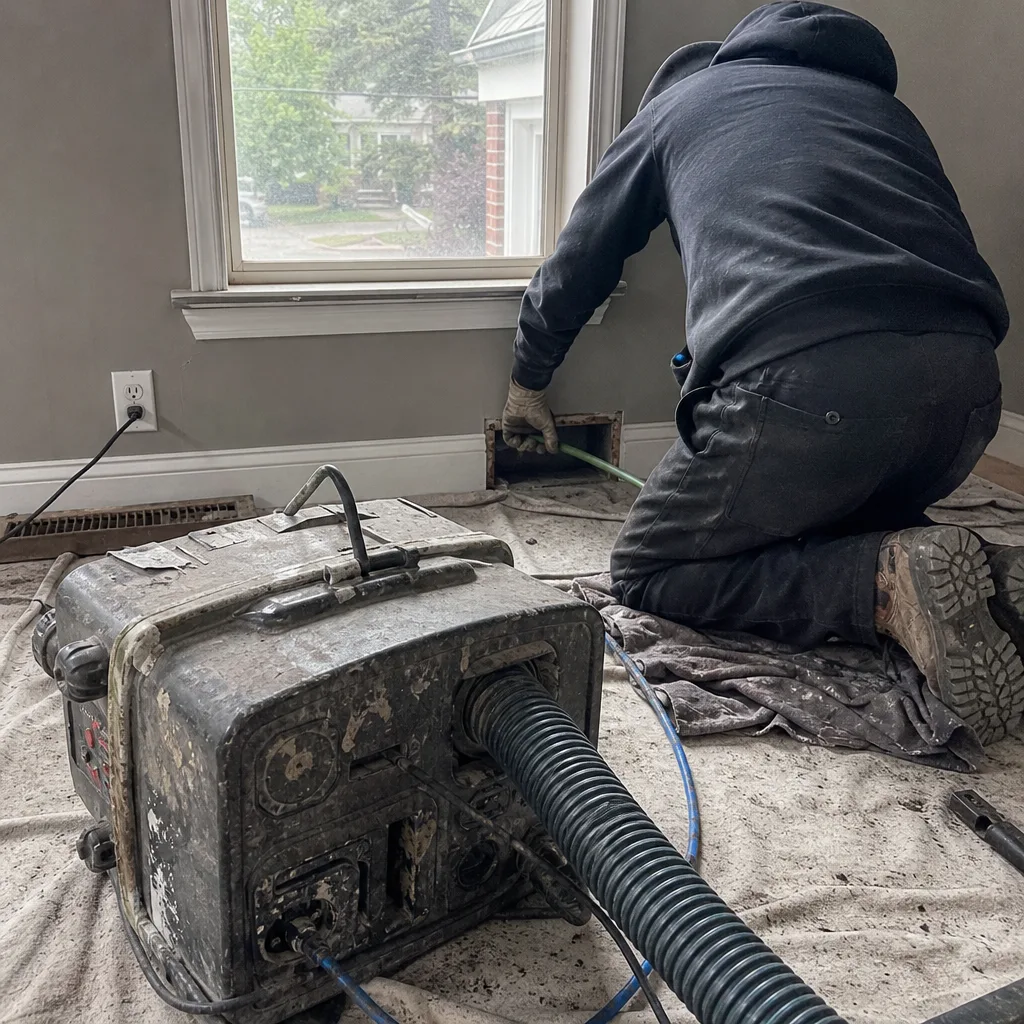
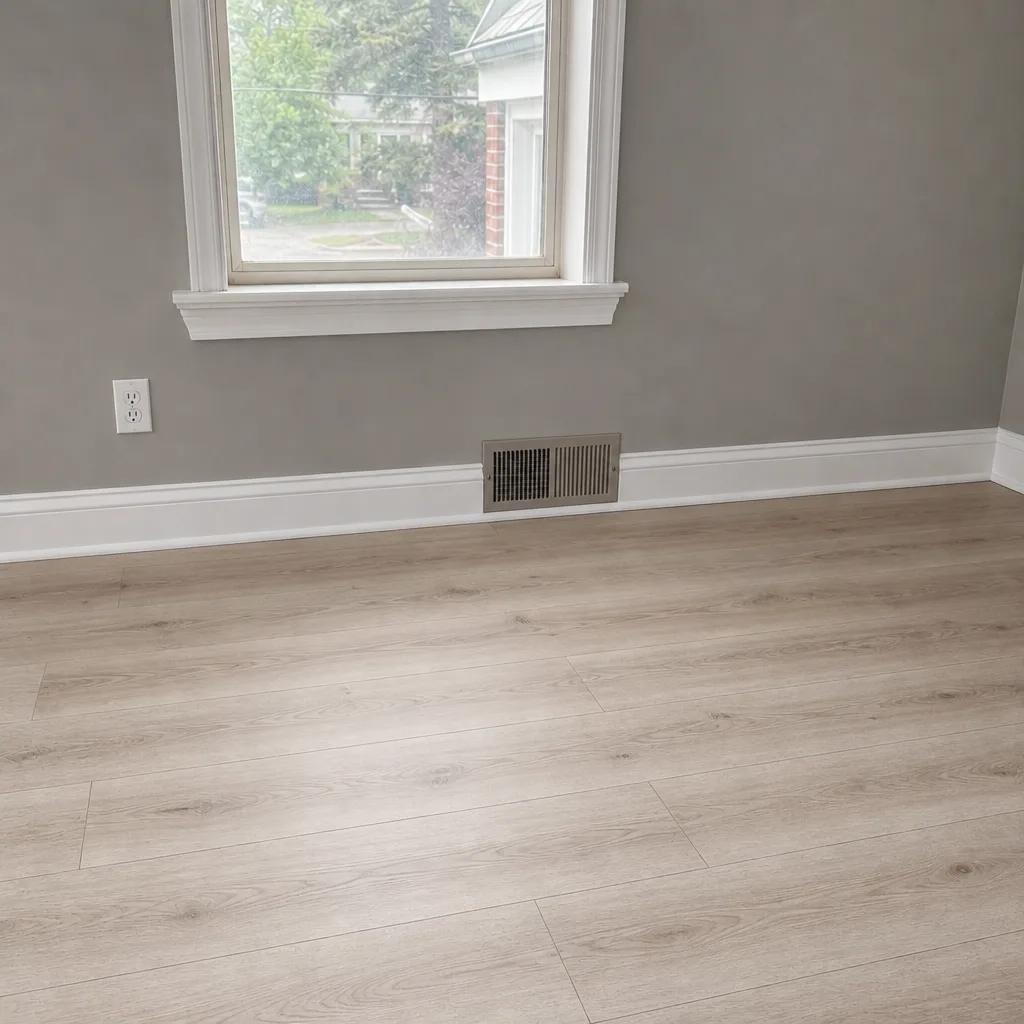
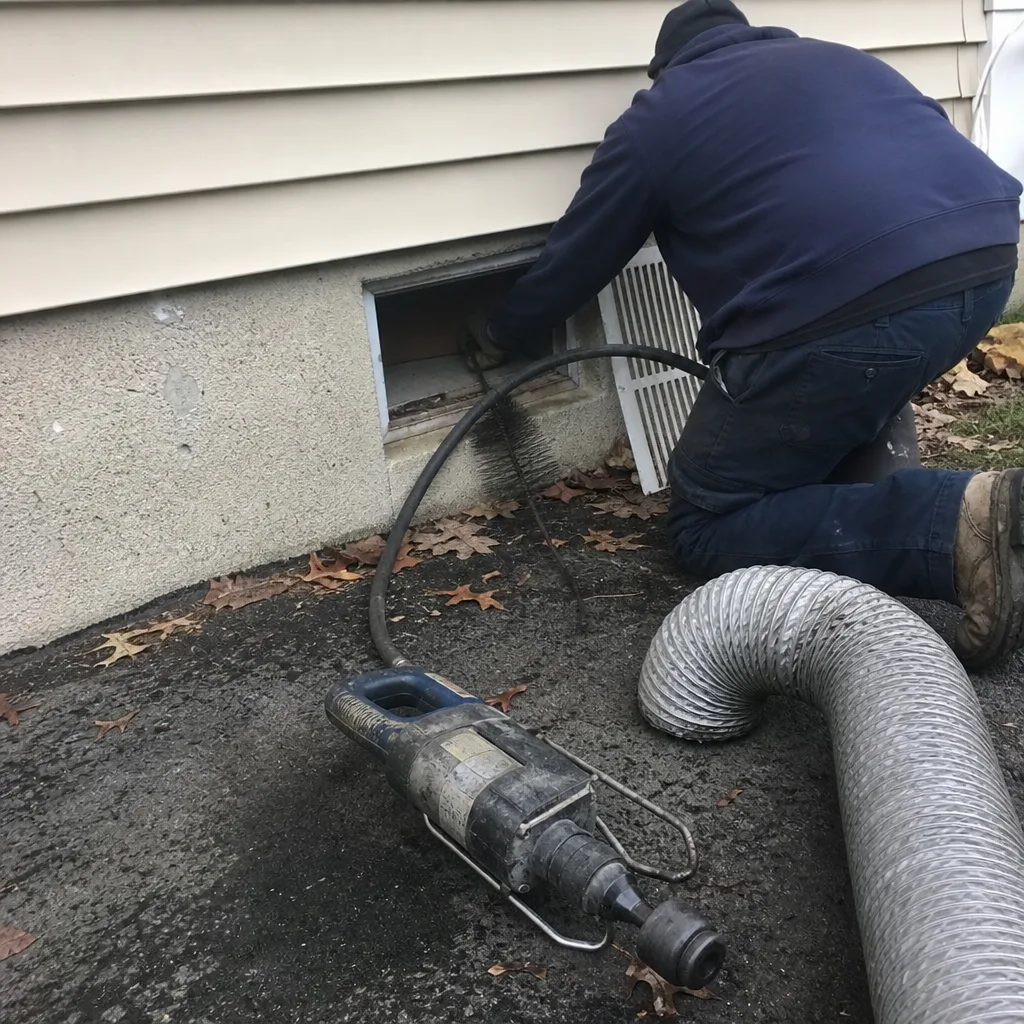
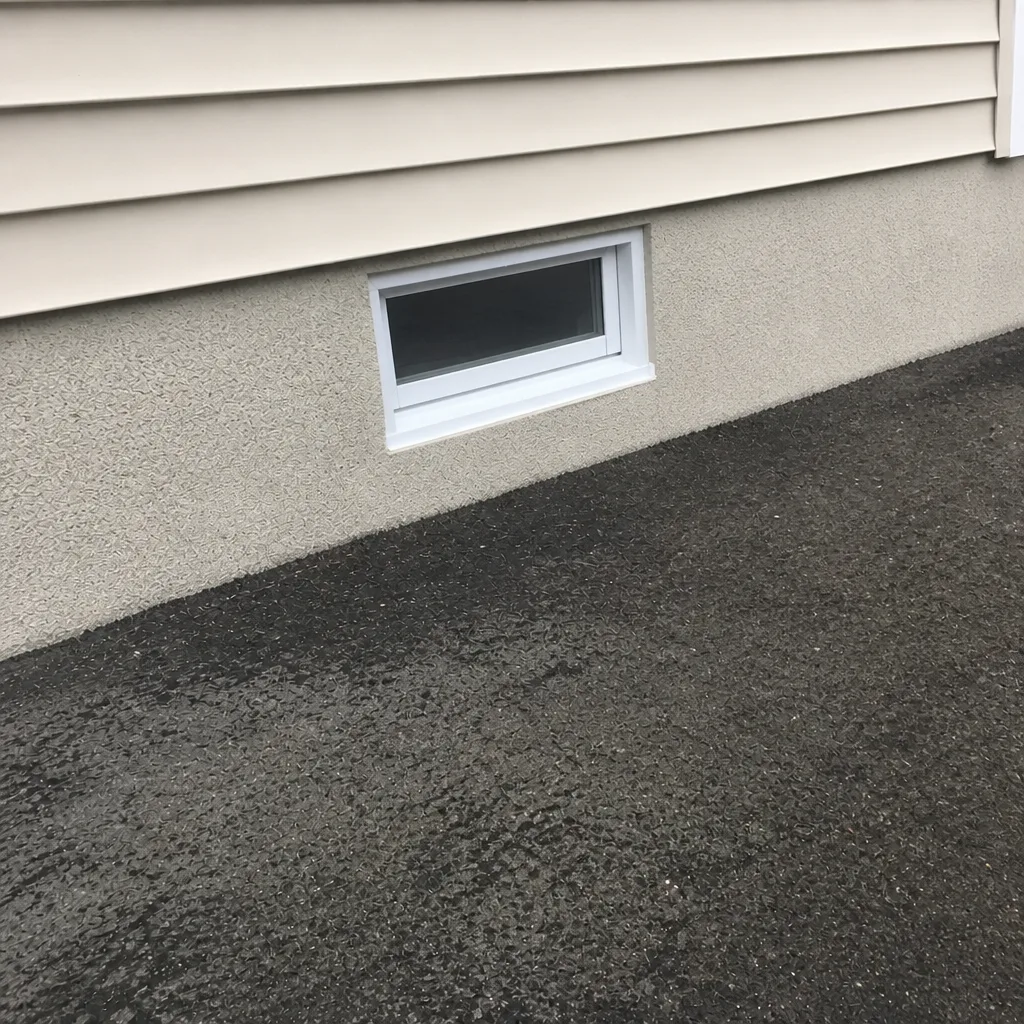
Whole-system duct and dryer vent check with before-and-after photos - you see exactly what came out of your vents
That "$99 whole-house special" is a bait ad - the real number appears once they are in your hallway, or the "clean" is a shop-vac at the register. We photograph the inside of your ducts before and after instead.
Choosing the Right Air Duct Cleaning Brand: A Buyer’s Guide for Waterbury
If a duct cleaning company’s website doesn’t name the equipment they run, that’s usually not an oversight. It’s a choice. Naming a Rotobrush or a Nikro rig invites you to compare it against whatever the next company pulls into the driveway, and some companies would rather you not make that comparison. The brand name on the side of the truck matters far less than the machine inside it. When you’re searching for the best air duct cleaning company in Waterbury CT, the single most useful question you can ask isn’t about reviews or years in business. It’s about equipment. This guide explains what the major professional platforms actually do, how to tell a dedicated duct specialist from a general HVAC company that cleans as a sideline, and how to verify any equipment claim before you book. By the end you’ll know exactly what to ask a Waterbury duct cleaning company, and why the answer tells you more than any star rating.
Quick Answer
The best air duct cleaning company in Waterbury CT is the one that can name and show its professional-grade equipment platform, focuses specifically on duct systems rather than offering cleaning as an HVAC upsell, and follows proper containment protocols during the job. In practice, that means asking whether they use a rotary brush system like Rotobrush, a negative-pressure industrial extractor like Nikro, or proper air-filtration and containment gear from a manufacturer like Abatement Technologies. A company that runs contractor-grade equipment, can describe how it works, and is willing to show you photos of its setup before booking is signaling that it does this work as a specialty, not as a side job.
Styles & brands we work with
- Whole-home duct cleaning
- Dryer vent cleaning
- Camera inspection
- Sanitizing & deodorizing
Table of Contents
- Why the “brand” question is really an equipment question
- Rotobrush vs. Nikro vs. shop vac: a plain-language comparison
- What “contractor-grade” actually means
- Dedicated duct specialist vs. HVAC company that cleans
- Why duct type matters in Waterbury housing
- How to verify equipment claims before you book
- Questions to ask any duct cleaning company
- Common mistakes to avoid
- When to call a professional
- Frequently asked questions
Why the “brand” question is really an equipment question
Most homeowners compare duct cleaning companies the way they compare restaurants: by name, reviews, and price. That approach works fine when every competitor delivers the same product. Duct cleaning is not that kind of service. Two companies can both advertise “air duct cleaning in Waterbury” and show up with completely different machinery, producing completely different results, at prices that look comparable on paper. The name on the invoice tells you almost nothing. The machine tells you almost everything.
Here’s the gap that matters. On one end of the spectrum is a dedicated duct specialist running a purpose-built system: a rotary brush integrated with a high-powered vacuum, or a negative-pressure extractor pulling the entire duct system under containment. On the other end is a generalist with a consumer shop vac and a length of flexible hose. Both can produce a video that looks impressive on a phone screen. Only one loosens and removes the settled debris that actually coats the inside walls of your ducts.
That’s why we frame this whole guide around equipment. When you understand the platforms, you can ask a Waterbury company a single question and instantly learn how serious they are about duct work. Reviews can be bought or gamed. Years in business can reflect a company that switched trades last year. Equipment choices are harder to fake, and they’re the clearest window into how a company actually does the job.
The brand names worth recognizing in this trade are Rotobrush, Nikro, Abatement Technologies, and on the air-quality side, Honeywell and Aprilaire. You don’t need to memorize specifications. You do need to know what each one does, so you can tell when a salesperson is bluffing.
Rotobrush vs. Nikro vs. shop vac: a plain-language comparison
Rotobrush uses a rotating brush head fed through the ductwork while a vacuum captures the loosened debris. Nikro uses high-volume negative-pressure extraction to pull debris out of the system without brushing. Consumer shop vacs don’t belong in duct work at all. Each platform has strengths, and the best results often come from companies that combine several tools rather than relying on one.
Rotobrush: the rotary brush system
Rotobrush is a brush-based cleaning system. A flexible shaft advances a rotating brush into the duct run, physically scrubbing the walls of the duct, while an attached vacuum captures the loosened material. The advantage is contact: a brush can dislodge the stubborn, adhered film that clings to duct walls, especially on the interior surfaces of supply runs. It’s well-suited to residential duct systems, which is why you’ll see Rotobrush equipment on many professional residential jobs. On heavier debris profiles or very long runs, a brush alone may need help from a stronger extractor to clear the loosened material out.
Nikro: negative-pressure industrial extraction
Nikro equipment is built around high-volume extraction. The idea is to put the whole duct system under negative pressure so that loosened debris is drawn into a collection unit rather than pushed into your living space. That matters both for cleaning outcome and for containment. In systems with deep debris, long runs, or extensive return ducting, strong negative-pressure extraction is what actually moves material out. Paired with a brush, it’s a serious combination.
Shop vacs and leaf blowers: not duct cleaning
A consumer shop vac has limited air volume and no containment. A leaf blower pushes debris into the air where it settles into the home. Neither is a legitimate duct cleaning method, and both are common shortcuts. If a company can’t tell you which professional platform they use, the honest answer is often “none of the above.”
Containment equipment: Abatement Technologies
Abatement Technologies makes air-filtration and containment equipment for professional cleaning. When a company uses it, the goal is to keep the working environment clean and capture anything dislodged during the job rather than blowing it around. It’s a sign of professional protocol. We built our process around this principle: contain the mess before you move it.
Air-quality upgrades: Honeywell and Aprilaire
Honeywell and Aprilaire make whole-home air-quality products like media filters and humidifiers. A duct specialist who carries these lines can recommend upgrades at the same appointment, rather than a separate contractor doing it later. This is optional and depends on your system. The point is that it’s handled by the same company that already knows your ductwork.
What “contractor-grade” actually means
“Contractor-grade” isn’t a marketing phrase. It describes measurable specs: motor CFM, hose diameter, machine weight, and containment capacity. A consumer shop vac might pull in the range of a hundred-plus cubic feet per minute; a professional extractor can pull several times that, and volume is what carries debris out of a duct run. The bigger the machine, the more serious the hose and the more robust the containment. Those specs are what translate into cleaning outcomes.
Why does this matter for a Waterbury home? Consider two common housing profiles:
- A 1950s Cape: Often has a shallower, more segmented duct system with shorter runs, floor registers, and modest ceiling heights. Debris in a system like this tends to be concentrated at the register boots and the first segment of each supply run. Brush-based cleaning plus strong extraction reaches those spots; a weak vacuum can’t.
- A 2010 Colonial: Typically has longer duct runs, more branches, a central return, and often a larger air handler. The debris profile is more distributed and can accumulate in the main trunk and return lines. High-volume negative-pressure extraction is the primary tool to clear that volume; a brush helps the walls.
That’s why the equipment mix matters more than any single machine. A company running one platform will be well-suited to one kind of work. A company that runs both, plus proper containment, can match the tool to the job. In our experience, the strongest residential results come from combining rotary brushing with industrial extraction under containment, then confirming the outcome with before-and-after photos of the ductwork itself.
Dedicated duct specialist vs. HVAC company that cleans
A dedicated duct specialist does duct work as core business; an HVAC generalist offers cleaning as an add-on, which often means the work is handled by whatever crew is available and whatever equipment is on hand. The service menu is the fastest way to see the difference. A specialist’s website will show duct cleaning, dryer vent cleaning, and duct repair as the primary services. A generalist’s website will show furnace installs, AC tune-ups, thermostat work, and “duct cleaning” as one line item among a dozen.
There’s a practical reason this matters. When duct cleaning is a specialty, the technicians who show up do it every day. They know what a normal duct wall looks like, what a compromised one looks like, and when a cleaning needs a repair follow-up. When duct cleaning is a side service, the crew may be more comfortable with a furnace than with ductwork, and the equipment may be the shop vac that already lives in the van.
Another tell: does the company offer duct repair as a standalone service, or is cleaning the only thing they do? Duct systems fail in recognizable ways. Seams separate, boots loosen, runs get crushed, and flex duct tears. A company with repair in its service menu can close the loop in one call rather than cleaning and then handing you off to a second contractor. That’s part of why we built our service menu around the full picture: cleaning, dryer-vent safety, and repair under one roof.
For anyone weighing the best air duct cleaning company in Waterbury CT, checking the service menu first is a quick filter. If the site is mostly heating and cooling and only mentions ducts once, it’s a generalist. If it’s centered on duct systems, it’s a specialist.
Why duct type matters in Waterbury housing
Waterbury covers a lot of housing ground. The city’s dense older neighborhoods are full of homes from the first half of the twentieth century, and the outer edges include newer construction with modern duct design. That variety is part of why the equipment question matters here specifically.
In the older neighborhoods, homes often have retrofitted forced-air systems that were added after the house was built. Ducts may run through wall and floor cavities that were never designed for them, taking odd turns and narrow passages. These systems tend to collect debris in fewer, harder-to-reach spots. A rotary brush can maneuver into those tight runs where a straight extraction hose can’t. The strong vacuum then clears what the brush loosens.
In newer builds, the duct layout is typically cleaner and more direct, but the system is larger in total length, with a central return and more branches. Volume matters more here. A high-capacity extractor under containment is the more important tool, with brushing to clean the walls. A company running only one platform is more likely to leave one of these housing types with a partial job.
There’s also seasonal context. Waterbury summers bring heat and humidity that can make musty duct odors more noticeable, and winter heating distributes that air through every room in the house. Duct work done here is done for real, practical reasons: allergy flare-ups, stale smells, uneven heating and cooling, and a dryer that takes two cycles to finish a load. That’s why Waterbury duct work isn’t a cosmetic service; it’s about how the house actually feels to live in.
How to verify equipment claims before you book
You verify equipment claims by asking a short set of specific questions and requesting photos of the setup before the appointment. A company that runs professional gear will answer clearly and welcome the questions. A company that runs a shop vac will get defensive or give vague answers. Here’s how to do it in order.
- Ask what platform they use. “What duct cleaning equipment do you use on a standard residential job?” A specialist will say something like “a Rotobrush rotary brush system paired with a Nikro extractor.” A generalist will say “a professional machine” and change the subject.
- Ask about containment. “How do you keep the debris from spreading into the house while you work?” A professional outfit will describe a filtration or negative-pressure setup. Not using proper containment is a bigger problem than the cleaning itself; you don’t want debris redistributed through your home.
- Request photos of the setup. Ask for pictures of the piping, the machine, and the containment rig. Anyone serious will share them. A company reluctant to show its truck setup before a job is telling you something about its confidence in the work.
- Ask what happens if they find a problem. “If you discover a separated seam or a crushed run, what do you do?” A company that offers repair closes the loop. A company that only cleans will have to hand you off.
- Ask how they confirm the outcome. Request before-and-after photos of your own ductwork, taken during the job. That’s verification of work done on your system, not a stock image or a promise.
None of these questions require technical expertise on your part. They require only that the company be able to answer in plain language. The ease or discomfort of those answers is your real signal. This applies to any duct service in Waterbury: cleaning, air duct cleaning with a full video walk-through, or dryer vent cleaning. Ask the same questions. The response tells you what kind of trade you’re hiring.
Questions to ask any duct cleaning company
A good duct cleaning company answers these without flinching. It’s a useful checklist to keep beside you on the call.
- What equipment are you running, and why? Rotobrush, Nikro, Abatement Technologies gear, or a mix, depending on the job.
- Do you clean only, or do you also repair ductwork? Cleaning and repair in the same visit avoids a second appointment with a second contractor.
- Do you clean dryer vents as a separate service? A company focused on ducts typically handles dryer vents too, because clogged dryer vents are a genuine safety issue.
- How do you contain the debris during cleaning? Negative pressure and filtration, described in plain language.
- Can I see before-and-after photos of my own ducts? A promise of photos afterward is fine; a refusal to provide them is not.
- What’s the scope of the job, and what’s included? A clear answer to “will you clean the trunk, the branches, and the returns, and how will I know?”
If a company can walk through all six with clear answers, you’re talking to someone who knows duct work. If several answers are vague, you’re likely talking to a generalist. To get that conversation started with us, call (844) 619-2446 and we’ll answer each one directly.
Common Mistakes to Avoid
- Choosing on price alone. The cheapest quote often reflects the cheapest equipment, and a shop vac job can look like a duct cleaning on the invoice while leaving the bulk of the debris in place. Ask what machine is behind the price.
- Ignoring a vague service menu. A company that lists duct cleaning alongside furnace installs, plumbing, and gutter work is a generalist. Its duct work is a sideline, and the equipment will reflect that.
- Not asking about containment. A job that doesn’t contain the debris properly can redistribute dust through the home. That’s a step backward, not forward.
- Trusting reviews over equipment. Reviews reflect everything a company does; they can’t tell you which machine shows up to a Waterbury cape versus a newer colonial.
- Skipping the dryer vent. A dryer vent that runs clogged is a fire concern, not a convenience issue. If the vent is on the same call, ask about it.
- Accepting “professional-grade” as a phrase with no specifics. Ask for the actual brand and model. A real specialist isn’t shy about saying Rotobrush or Nikro.
- Booking a clean without asking about repair. A duct system with separated seams or a crushed run will still leak after cleaning. A company that repairs can fix it; one that only cleans cannot.
When to Call a Professional
Some duct symptoms point directly to professional work, not a DIY project. If allergy symptoms flare up indoors while outdoor pollen is low, that’s a reason to inspect the system rather than treat the symptoms. If a strong, musty or dusty smell comes from the registers when the heat or AC cycles on, debris is accumulating somewhere it shouldn’t. Uneven heating and cooling, where one room runs hot while another stays cold even with the thermostat calling for more, can trace to duct restrictions or leaks. A dryer that takes two cycles to dry a normal load often points to a clogged dryer vent, and that’s a safety issue worth handling promptly. Visible debris, loose joints, or a collapsed flex run are also clear signals. For anything involving a gas appliance or electrical panel, call a licensed technician rather than opening anything yourself. Duct Cleaning Waterbury offers free estimates in Waterbury. Call (844) 619-2446. We answer 24/7. Fast dispatch from 7am to 7pm, Sunday through Friday.
Frequently Asked Questions
The price depends on the size and type of system, the number of vents and returns, and whether repair or dryer vent cleaning is included. Rather than quote a teaser price that changes on the day, we set one flat price per system by written estimate before work starts. That way the number you agree to is the number you pay. Call (844) 619-2446 for an exact quote. Estimates are free.
Because they’re not always cleaning the same way. A lower quote often reflects cheaper equipment, no proper containment, and a shorter job that doesn’t address the full system. On paper they look comparable; in practice they’re different services. A fair way to compare is to ask what machine each company uses and whether containment is part of the price. The answers usually explain the gap.
Ask for before-and-after photos of your own ductwork, taken during the job. Any company confident in its work will provide them. We do, and we also explain what we found so you know the difference between a routine cleaning and a job that uncovered a separated seam or clogged run.
There’s no universal schedule. Homes in dusty or older neighborhoods, homes with pets, and homes where allergy symptoms flare up indoors often benefit sooner than newer builds. A practical approach is to have the system inspected and ask for an honest recommendation rather than a fixed interval. If there’s visible build-up or repeat symptoms, it’s time.
Look for a professional platform such as a Rotobrush rotary brush system, a Nikro negative-pressure extractor, or a combination of both, with containment equipment. These are the platforms that loosen and remove debris rather than push it around. A shop vac is not a duct cleaning system. If a company can’t name its equipment, take that as your answer.
Yes. Air duct repair sits on our service menu next to cleaning and dryer vent cleaning, so a separated seam or crushed run doesn’t require a second contractor. The best results often come from cleaning and repair handled together. Call (844) 619-2446 to set up an estimate.
The Bottom Line
The real brand decision in duct cleaning isn’t which company name looks best on a search results page. It’s which equipment platform shows up at the door, and whether the company specializes in duct work rather than treating it as an HVAC add-on. Rotobrush, Nikro, and proper containment are the signals to look for. A dedicated duct menu, repair as a standalone service, and a clear set of equipment questions answered on the call tell you far more than reviews or a price quote. When you’re comparing the best air duct cleaning company in Waterbury CT, ask about the machines. The answer sorts the specialists from the generalists in about five minutes. For a full range of duct services across Waterbury, Duct Cleaning Waterbury is here for a free, no-obligation estimate. Call (844) 619-2446. We answer 24/7. Fast dispatch from 7am to 7pm, Sunday through Friday. Start by asking us what we run; we’re glad to tell you, and to show you. Professional-grade equipment, not consumer shortcuts, is what makes duct cleaning worth doing at all. Our technicians have up to 9 years of experience, and our focus is duct work only. Better air starts with the right tools and the right team. See the full range of what we do at Duct Cleaning Waterbury.
Written by the team at Duct Cleaning Waterbury.
See the difference
 Before
 After
 Before
 After
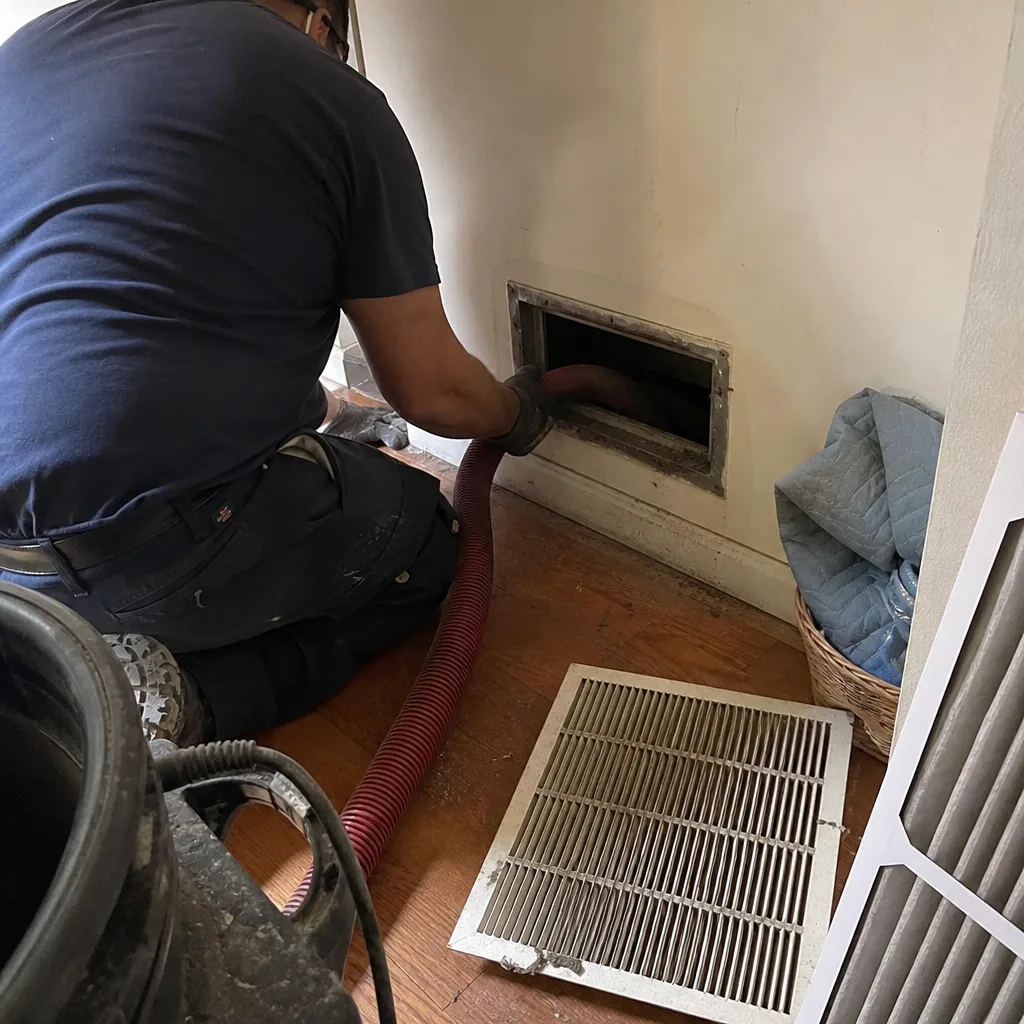 Before
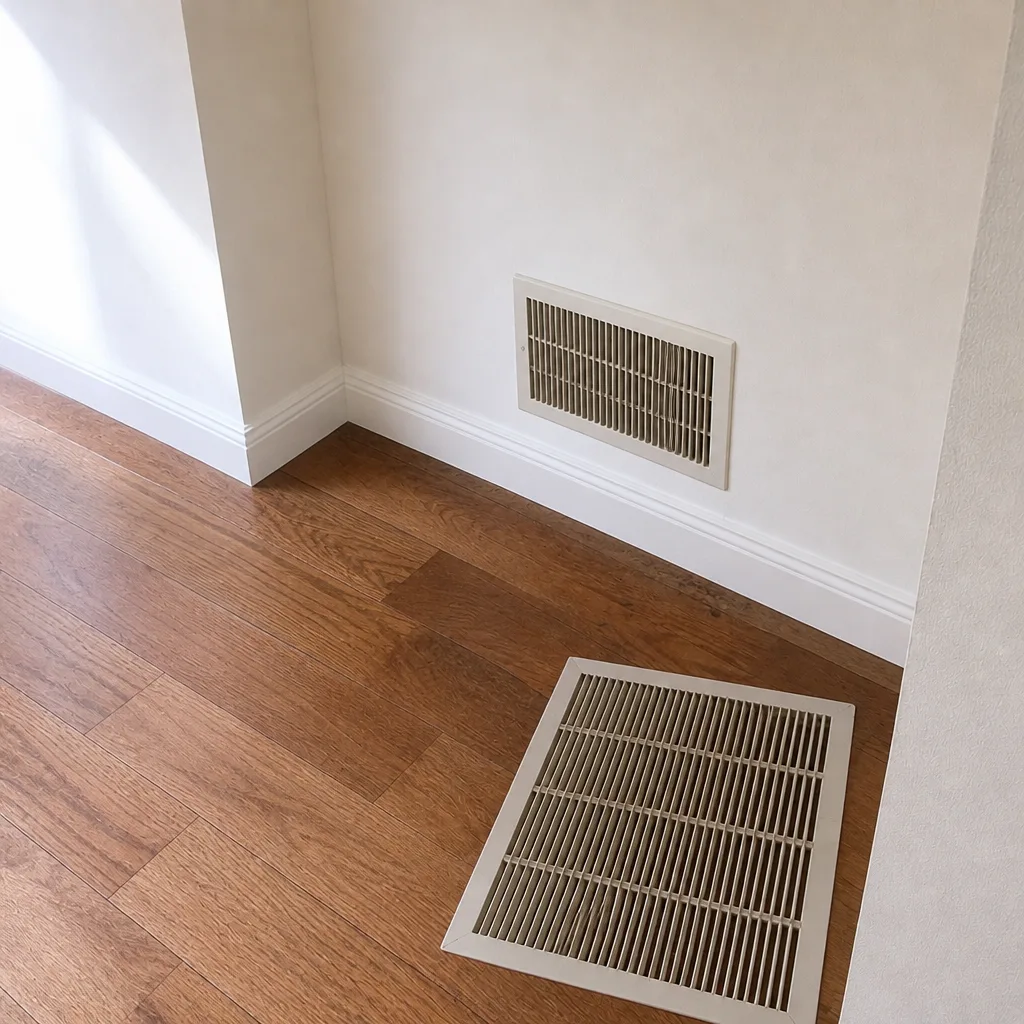 After